GLP-1 Revolution: Why Protein Is Becoming Essential from the USA to India
GLP-1 therapies can support significant weight loss by reducing appetite, but structured protein intake and resistance training may be important for maintaining strength and lean muscle.
Key Takeaways
Weight Loss Is Changing Globally
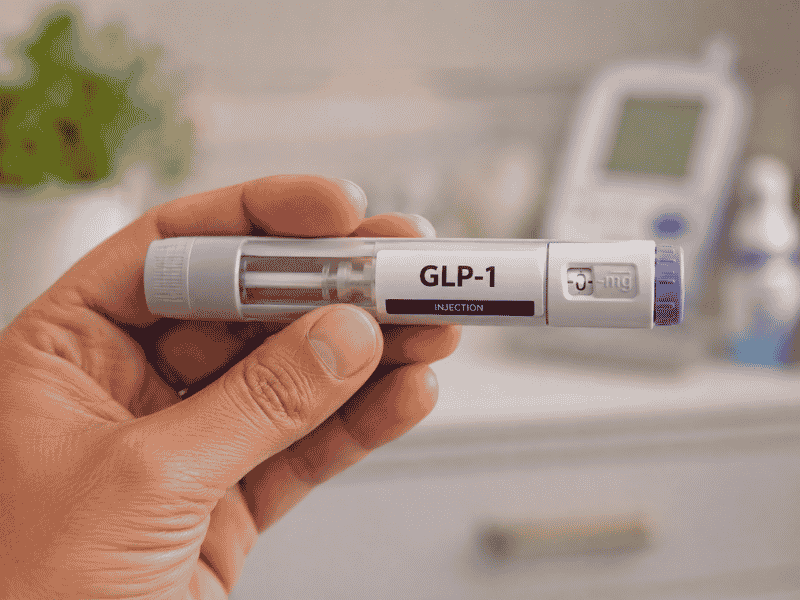
GLP-1 medicines have changed the weight-management conversation in the United States. Treatments such as Ozempic, Wegovy and Mounjaro are now widely discussed for their effects on appetite, blood sugar management and body weight.
Their ability to reduce hunger can make calorie control significantly easier. However, eating much less can also reduce protein intake, particularly when patients struggle to finish normal-sized meals.
This creates a new challenge: improving the quality of weight loss by reducing body fat while protecting strength, physical function and lean muscle.
“GLP-1 therapy may change how much a person eats. Protein and resistance training help shape what kind of weight may be lost.”
1. How GLP-1 Drugs Shifted Obesity Trends in the USA
In the United States, GLP-1-based medicines have become central to medical weight-management discussions. These treatments imitate or enhance pathways associated with naturally occurring appetite-regulating hormones.
Slower digestion
Food may remain in the stomach longer, which can extend the feeling of fullness after meals.
Greater satiety
Reduced hunger can make it easier to consume fewer calories throughout the day.
Blood sugar support
These medicines can help improve glucose management when prescribed for appropriate patients.
Reduced appetite and calorie intake can result in substantial weight loss. The concern is that some of this reduction may come from lean tissue rather than body fat alone.
2. Why Protein Becomes Important on GLP-1 Therapy
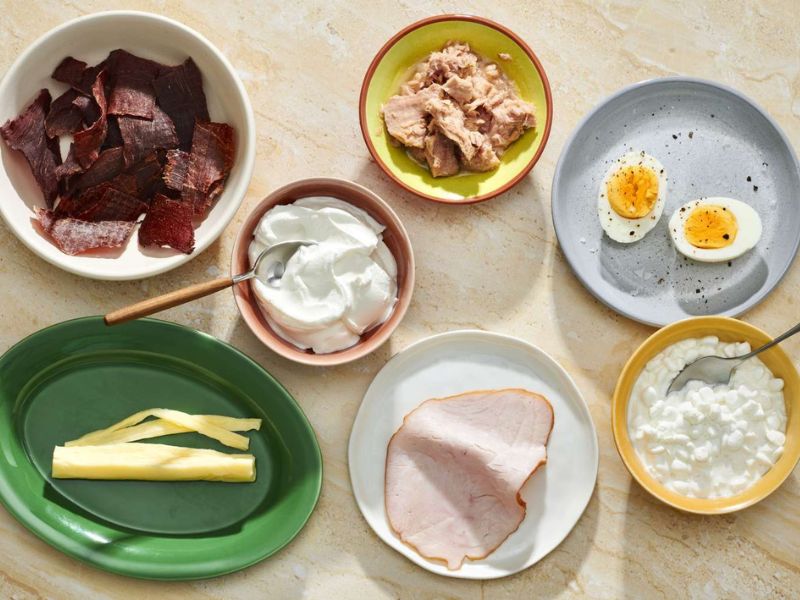
GLP-1 therapy may suppress appetite so effectively that patients unintentionally reduce their intake of protein-rich foods. Meat, paneer, eggs, dairy, soy and legumes can also feel difficult to consume when nausea, early fullness or low appetite is present.
The supplied guidance suggests that approximately 20–40% of total weight loss may come from lean mass in some situations. The exact proportion varies according to diet, activity, age, starting body composition and the method used to measure lean tissue.
A Practical Protein Distribution Strategy
Set the target
Estimate daily needs according to body weight, health, activity and medical guidance.
Divide it
Spread protein across smaller meals rather than relying on one large serving.
Choose tolerable foods
Prioritise protein sources that are comfortable during low-appetite phases.
Fill the gap
Use a suitable protein supplement only when food intake does not meet the target.
3. Why Whey Protein Isolate May Be Preferred
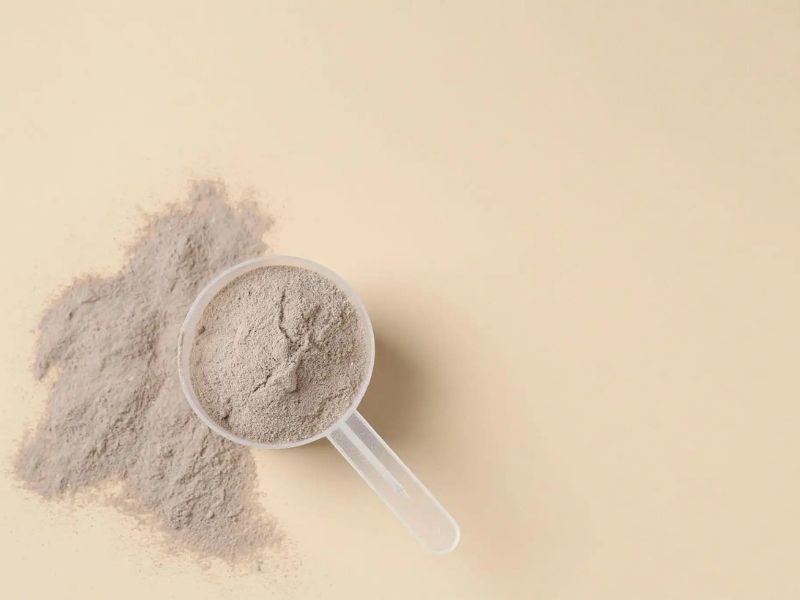
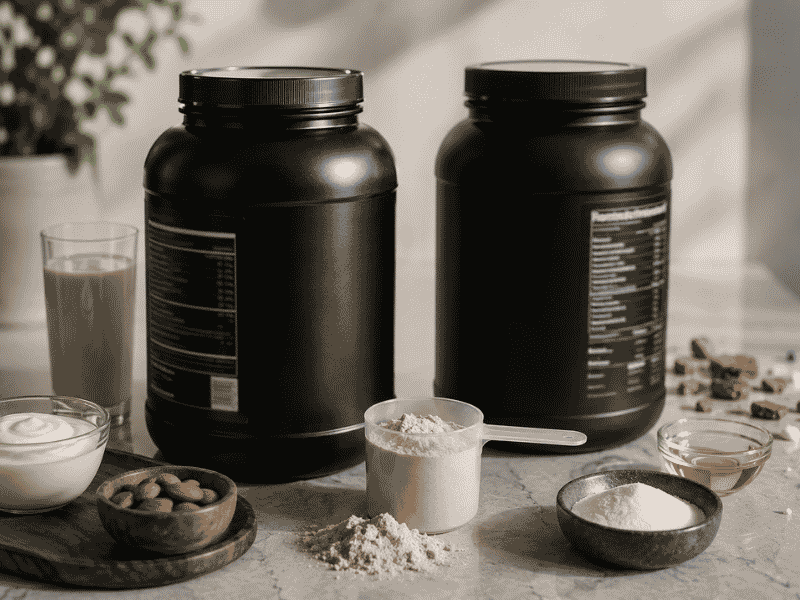
Patients experiencing early fullness may struggle with large portions. Whey protein isolate can provide concentrated protein in a relatively small volume, making it easier to support daily intake when appetite is limited.
High protein density
Depending on the product, one serving may provide approximately 25–32 grams of protein.
Low additional macros
Isolate generally contains less carbohydrate and fat than many concentrate-based formulas.
Minimal lactose
Additional filtration may improve tolerance for some lactose-sensitive consumers.
Complete amino acid profile
Whey provides essential amino acids that support muscle protein synthesis.
Low-volume nutrition
A shake may be easier to consume than a large solid meal when appetite is suppressed.
Convenient consistency
A measured serving makes daily protein intake easier to track.
4. The Protein Demand Surge in the USA
As GLP-1 prescriptions and weight-management programs expanded, protein products increasingly moved beyond traditional bodybuilding and sports-nutrition audiences.
Whey isolate began to be positioned as a practical nutrition tool for people consuming fewer calories and smaller portions, not only as a post-workout supplement.
5. The GLP-1 Wave Reaches India
Wider availability, future patent changes and the entry of additional products could make GLP-1-based weight-management therapy more accessible in India.
Greater adoption may also create demand for nutrition strategies suited to Indian diets, vegetarian preferences, lower appetite and the need to protect lean mass during weight reduction.
6. Why Whey Isolate Fits Low-Appetite Diets
| Factor | Whey isolate | Practical GLP-1 relevance |
|---|---|---|
| Protein concentration | High | More protein can be consumed in a smaller serving. |
| Carbohydrate and fat | Generally low | Supports protein intake without a large calorie load. |
| Lactose | Minimal in many formulas | May improve tolerance for some sensitive users. |
| Serving volume | Relatively small | Useful when large meals feel difficult. |
| Preparation | Quick and measurable | Makes structured protein intake easier to maintain. |
7. Why Iso Ripped Stands Out in India
QNT Iso Ripped
Iso Ripped is positioned as a whey-isolate-based supplement for calorie-conscious users seeking convenient protein intake during a fat-loss or body-composition program.
8. The Role of L-Carnitine
L-Carnitine participates in the transport of fatty acids into mitochondria, where they can be used in cellular energy production.
Within a calorie-controlled program, it is positioned as an ingredient supporting energy metabolism. Its practical effect depends on the individual, overall diet, activity level and product dosage.
9. The Role of CLA in Body-Composition Plans
Conjugated linoleic acid, commonly known as CLA, is included in some body-composition supplements and is marketed for its potential role in fat metabolism and lean-mass support.
Results can vary, and CLA should be viewed as a supporting ingredient rather than a primary driver of weight loss. Protein intake, calorie control, movement and progressive resistance training remain more important.
10. The GLP-1-Aligned Protein System
The proposed system combines concentrated protein with body-composition-focused ingredients. Each component is intended to serve a different supporting role.
Whey Isolate
Supplies high-quality protein to support daily intake, recovery and lean-tissue maintenance.
L-Carnitine
Participates in fatty-acid transport and energy metabolism.
CLA
Included as a supporting ingredient in body-composition-focused nutrition.
“The foundation remains protein, balanced nutrition and resistance training. Additional ingredients should only complement that foundation.”
11. Practical Takeaways
✔ For Patients
- Set a personalised protein target with a qualified professional.
- Distribute protein across smaller meals and snacks.
- Use whey isolate when food intake does not meet requirements.
- Include resistance training approximately two to three times per week when medically appropriate.
- Report nausea, persistent vomiting, weakness or difficulty eating to the prescribing clinician.
✔ For Clinicians and Dietitians
- Assess baseline protein intake and lean-mass risk.
- Create a structured, culturally appropriate meal plan.
- Recommend low-volume protein solutions when appetite is limited.
- Monitor strength, body composition, hydration and treatment tolerance.
- Prioritise fat loss while protecting function and lean tissue.
✔ Before Choosing a Supplement
- Check the protein amount per serving.
- Review calories, sugar, fat and lactose content.
- Confirm ingredient tolerance and medication compatibility.
- Choose a product from a reliable source.
- Do not exceed the serving recommended by your healthcare team.
What a Muscle-Preservation Plan May Include
| Area | Practical approach | Primary purpose |
|---|---|---|
| Protein | Personalised target distributed throughout the day | Support lean-tissue maintenance and recovery |
| Resistance training | Progressive strength exercise two to three times weekly | Provide a stimulus for muscle retention |
| Hydration | Regular fluid intake adjusted for health and activity | Support digestion, circulation and training |
| Micronutrients | Maintain vegetables, fruit, dairy and varied foods | Reduce nutritional gaps during lower food intake |
| Monitoring | Track symptoms, strength, weight and clinical markers | Adjust treatment and nutrition when required |
Frequently Asked Questions
Why is protein important for people using GLP-1 medicines?
Reduced appetite can make it difficult to consume enough protein. Adequate intake supports muscle maintenance, recovery, strength and overall nutritional quality during weight loss.
Can GLP-1 weight loss include muscle loss?
Yes. Weight reduction can include fat, water and lean tissue. The amount varies according to age, diet, activity, rate of weight loss and resistance training.
How much protein should a GLP-1 user consume?
The article suggests approximately 1.0–1.6 grams per kilogram of body weight daily, but individual needs should be determined by a physician or dietitian.
Is whey isolate suitable during low-appetite phases?
It may be practical because it provides concentrated protein in a small serving. Tolerance and suitability depend on the individual and should be discussed with the healthcare team.
Is whey isolate a replacement for complete meals?
No. Whole foods provide fibre, vitamins, minerals and healthy fats that a protein powder does not fully replace. Supplements should fill specific nutritional gaps.
Should GLP-1 users perform resistance training?
Resistance training may support strength and lean-mass retention. The program should match the person’s health, fitness level and medical guidance.
Can Iso Ripped be used as a GLP-1 treatment?
No. It is a nutritional supplement, not a medicine or obesity treatment. It may only be considered as part of a professionally supervised nutrition plan.
Final Thoughts
GLP-1 therapy is changing medical weight management across the world. As appetite and calorie intake decline, protein quality, meal structure and resistance training become increasingly important.
Whey protein isolate can offer concentrated nutrition in a low-volume format, particularly when regular meals are difficult to complete. It should remain part of a broader plan that includes varied foods, hydration, movement and professional monitoring.
The goal should not be weight loss at any cost. The better objective is to reduce excess fat while maintaining strength, function and as much lean muscle as possible.
“Lose fat, not muscle. That is the real goal.”
References & Clinical Notes
- GLP-1 medicines should only be used under the supervision of a qualified prescribing clinician.
- Protein requirements vary according to age, body weight, activity, kidney function, health status and total calorie intake.
- Product nutrition values and ingredient quantities should be confirmed using the current package label.
- Whey isolate, L-Carnitine and CLA are nutritional ingredients and should not be presented as replacements for medical treatment.
- Anyone experiencing persistent nausea, vomiting, dehydration, severe abdominal pain or difficulty eating should contact their healthcare provider.