Are You Undereating? The Hidden Reason Many Women Over 40 Struggle With Fat Loss, Energy, and Hormone Balance
Eating less is not always the answer. Chronic restriction can reduce energy, weaken training performance and make it harder to preserve muscle during midlife.
Key Takeaways

What If Eating Less Is Not the Answer?
For many women over 40, fat loss is closely associated with eating less. Years of dieting, calorie cutting and avoiding certain foods may feel like the responsible and disciplined approach.
But what if the real issue is not overeating—it is consistently undereating?
Many women are choosing nutritious foods, exercising regularly and trying to stay disciplined, yet their bodies are not responding as expected.
Fat loss slows, energy drops, workouts feel harder and menopause-related or hormone-associated symptoms may become more noticeable. In some cases, the problem is not a lack of effort but insufficient nutrition for the body’s total workload.
Undereating Is More Common Than You Think
Undereating does not always mean skipping meals or following an extreme diet.
Many women eat breakfast, lunch and dinner but still consume less energy and fewer nutrients than their bodies require—especially when daily responsibilities and exercise are added together.
Strength training, cardio and daily activity increase the body’s energy and recovery requirements.
Long working hours, caregiving and household responsibilities increase physical and mental stress.
Perimenopause and menopause can influence sleep, appetite, recovery and body-composition patterns.
Repeated low-calorie diets can make small portions and food avoidance feel normal.
Eating Clean Does Not Automatically Mean Eating Enough
A diet can contain salads, vegetables, fruit and minimally processed foods while still being too low in total calories, protein, carbohydrates or fats.
Food quality is important, but portions and nutrient balance determine whether the diet can support muscle, exercise, recovery and everyday energy.
How the Body Adapts to Prolonged Calorie Restriction
When calorie intake remains low for an extended period, the body can adapt by becoming more energy efficient.
This does not mean metabolism becomes permanently damaged. It means several parts of daily energy expenditure may decrease in response to lower body weight, lower food intake and accumulated fatigue.
| Adaptation | What May Change | Possible Effect |
|---|---|---|
| Lower body weight | The body requires less energy to move | Daily calorie expenditure naturally decreases. |
| Reduced spontaneous movement | Less walking, fidgeting or general activity | Total daily energy use may fall without being noticed. |
| Lower training output | Reduced strength, pace or workout volume | Exercise may burn less energy and provide a weaker muscle stimulus. |
| Increased hunger signals | More cravings or food focus | Diet adherence may become harder over time. |
Why Eating Too Little Can Work Against Your Goals
A calorie deficit is required for fat loss, but a deficit that is too aggressive or maintained for too long can make the process harder to sustain.
Daily tasks and workouts can feel harder when total fuel intake is insufficient.
Strength, endurance and motivation may decline, limiting the benefits of exercise.
Inadequate protein and resistance training may increase the amount of lean tissue lost during dieting.
Soreness may last longer and the body may feel less prepared for the next workout.
Severe restriction can increase hunger, food focus and the likelihood of overeating episodes.
Small portions and food-group restriction may reduce vitamin, mineral and fibre intake.
Muscle Mass Matters More After 40
Muscle supports more than appearance. It contributes to strength, mobility, glucose management, joint stability and daily energy expenditure.
When protein intake is low and strength training is missing, prolonged dieting may increase the risk of losing muscle along with body fat. This can make long-term weight management and healthy ageing more challenging.
The Role of Nutrients in Metabolism and Hormone Health
Total calories matter, but nutrient balance also affects energy, muscle maintenance, bone health, sleep and general well-being.
Supports muscle maintenance, exercise recovery, strength and body composition.
Provide energy for the brain, daily movement and demanding training sessions.
Support cell function, nutrient absorption and normal hormone production.
Contribute to bone health, normal muscle function and nervous-system processes.
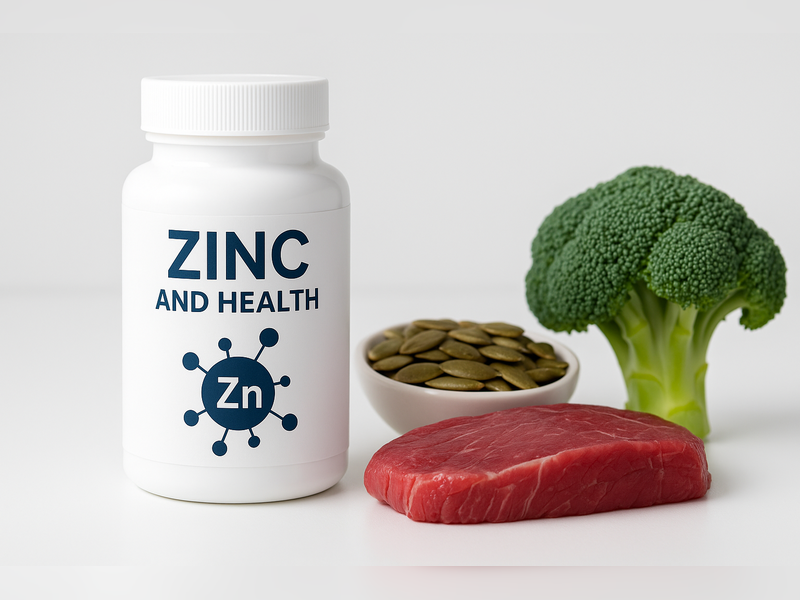
Supports normal immune function, cell processes and nutrient metabolism.
Help the body release and use energy from food and support normal nervous-system function.
Why Protein Deserves Special Attention
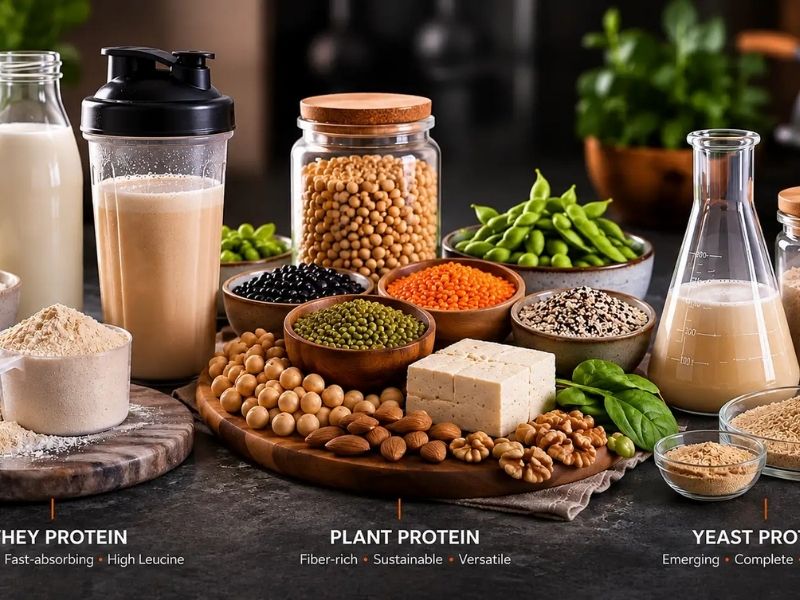
Protein is particularly important for women over 40 because it supports the muscle tissue that contributes to strength, mobility and metabolic health.
Instead of relying on one large evening serving, include a meaningful protein source in several meals and snacks.
Carbohydrates Are Not the Enemy
Carbohydrates provide energy for strength training, cardio, concentration and everyday activity.
Consuming too few carbohydrates may contribute to low training output and fatigue in active women. Portions should be adjusted to activity and goals rather than removed automatically.
Signs You May Be Undereating
Undereating can appear gradually, and no single symptom proves that calorie intake is too low. A pattern of several signs may suggest that nutrition and recovery deserve closer attention.
The Restriction and Craving Cycle
Calories Are Cut
Meals become smaller and more foods are removed.
Energy Drops
Movement, training output and concentration may decline.
Cravings Increase
Food becomes harder to ignore and adherence weakens.
Restriction Restarts
More dieting is used to compensate, repeating the cycle.
The Goal Is to Nourish, Not Deprive
The solution is not uncontrolled eating. It is consuming enough food and nutrients to support health, training and recovery while creating an appropriate plan for body-composition goals.
When the body is adequately fuelled, it becomes easier to train productively, preserve muscle and maintain consistent daily activity.
Build Meals Around Protein
Include a clear protein source at breakfast, lunch, dinner and suitable snacks.
Use Carbohydrates Strategically
Include suitable portions around active periods and training sessions.
Include Healthy Fats
Use foods such as nuts, seeds and other appropriate fat sources in sensible portions.
Strength Train Consistently
Resistance training helps preserve and build the muscle that supports long-term health.
Increase Intake Gradually
After long-term restriction, gradual adjustments may feel more comfortable than sudden major changes.
Monitor More Than Weight
Track energy, strength, sleep, recovery, hunger and daily function.
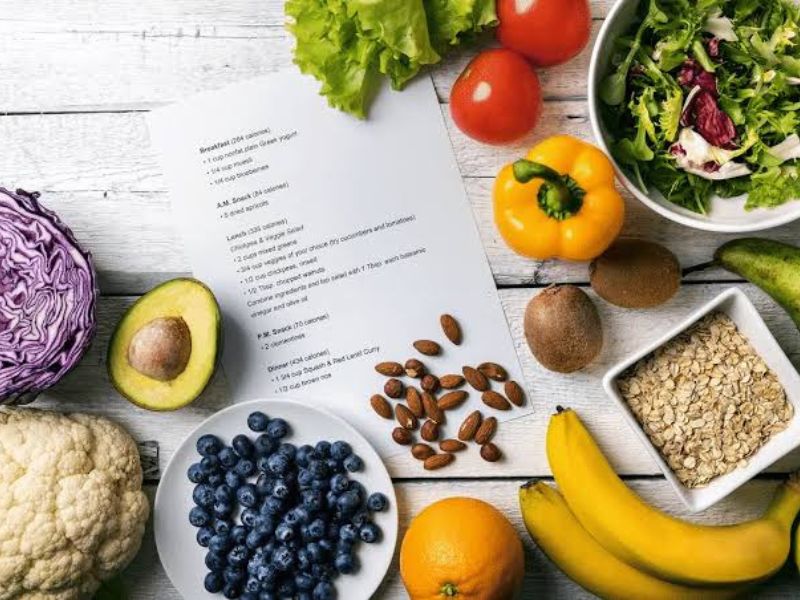
A Simple Balanced-Meal Structure
What Adequate Nutrition Can Support
Track Progress Beyond the Scale
| Progress Marker | What to Monitor | Why It Matters |
|---|---|---|
| Strength | Weights, repetitions and exercise control | Improving strength suggests training and recovery are working together. |
| Energy | Daily alertness and afternoon fatigue | Energy can reveal whether food intake supports daily demands. |
| Recovery | Soreness and readiness for the next session | Poor recovery may suggest excessive training or insufficient nutrition. |
| Hunger | Cravings, food focus and overeating episodes | Extreme hunger may indicate that restriction is too aggressive. |
| Body composition | Measurements, clothing fit and muscle definition | Scale weight alone cannot distinguish fat from muscle. |
When Professional Support Can Help
A qualified professional can help determine whether current food intake matches your body weight, activity, symptoms and goals.
Can assess calorie, protein and nutrient intake and create an individual plan.
Can investigate fatigue, thyroid concerns, nutrient deficiencies or menopause symptoms.
Can structure strength training around your experience and recovery capacity.
Frequently Asked Questions
Can eating too little make fat loss harder?
Prolonged or aggressive restriction can reduce energy expenditure, spontaneous movement, workout quality and diet adherence, which may slow progress.
Does undereating put the body into survival mode?
“Survival mode” is an oversimplified term. The body can adapt to restriction by reducing energy expenditure and increasing hunger, but fat loss remains governed by overall energy balance.
Can I eat healthy foods and still undereat?
Yes. A diet may contain nutritious foods but still be too low in calories, protein, carbohydrates, fats or important micronutrients.
Why is protein important for women over 40?
Protein supports muscle maintenance, strength, recovery and body composition, particularly when combined with resistance training.
Should women over 40 avoid carbohydrates?
Not automatically. Carbohydrates provide energy for exercise and daily activity. Portions should reflect individual goals, preferences and activity levels.
Will eating more automatically cause weight gain?
Not necessarily. The result depends on total intake, expenditure and the size of the adjustment. Increasing food after restriction can also temporarily increase scale weight through food volume, glycogen and water.
How should food intake be increased after long-term dieting?
A gradual, structured increase may feel more manageable. A registered dietitian can help determine an appropriate starting point and monitor the response.
Can undereating affect hormone-related symptoms?
Inadequate energy and nutrient intake may affect normal body functions and recovery, but hormone-related symptoms can have many causes and require professional assessment.
A Sustainable Approach for Long-Term Health
After 40, the focus should begin shifting from simply eating less to eating more strategically.
Supporting muscle, energy, recovery and overall health requires sufficient protein, balanced meals and an appropriate amount of total food.
Instead of asking, “How can I eat less?” consider asking, “How can I fuel my body to function, train and recover better?”
When nutrition matches the body’s needs, it becomes easier to maintain strength, improve resilience and pursue sustainable body-composition goals without relying on constant deprivation.