The Truth About Whey, Creatine & Desi Logic: An Honest Reality Check
Whey protein and creatine are often treated with suspicion, while highly processed everyday foods receive a free pass. It is time to separate supplement myths from basic nutrition science.
Key Takeaways
The Familiar Desi Supplement Debate
For many of us, the moment a tub of whey protein enters the house, the atmosphere suddenly turns into a full crime investigation.
“Beta, bilkul mat lena… bodybuilders ka steroid hota hai.”
At the same time, packaged noodles at midnight, sugary biscuits, chips and other heavily processed snacks may receive far less scrutiny.
That contrast highlights an important problem: many supplement fears come from familiarity, rumours and misinformation rather than an understanding of what the product actually contains.
The Desi Double Standard
Frequently treated as suspicious, artificial or automatically dangerous.
Often viewed as normal everyday foods despite providing limited protein and being easy to overconsume.
The point is not that every processed food is automatically harmful or every supplement is automatically healthy. The point is that products should be evaluated logically and individually.
What Whey Protein Actually Is
Let us clear up one of the biggest myths first: whey protein is not a steroid.
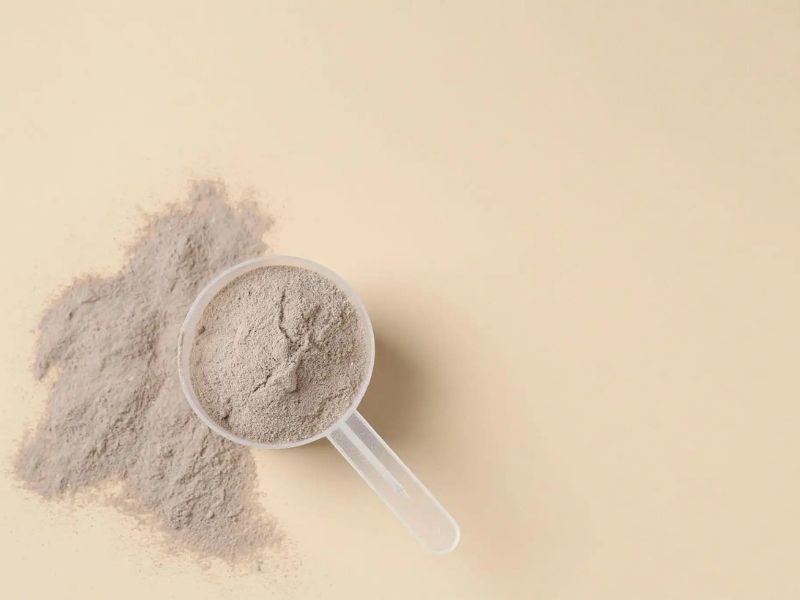
Whey is one of the major proteins naturally present in milk. During dairy processing, whey can be separated, filtered and dried into a concentrated protein powder.
That makes whey protein a convenient way to increase protein intake—not a hormone, anabolic steroid or secret bodybuilding drug.
In Simple Desi Terms
Does Whey Protein Damage the Kidneys?
For generally healthy adults, consuming appropriate amounts of protein is not the same thing as taking a kidney-damaging drug.
However, people with existing kidney disease or specific medical restrictions may require personalised protein limits. That is why individual medical history matters more than blanket statements such as “protein is bad for kidneys” or “protein can never cause a problem.”
Creatine: Another Supplement Surrounded by Fear
Mention creatine in some households and another familiar list begins:
These claims are often repeated without looking at the actual evidence, dosage or health status of the person using it.
What Creatine Actually Does
Creatine is a naturally occurring compound stored largely in skeletal muscle. Supplemental creatine increases the availability of phosphocreatine, which helps rapidly regenerate ATP during short, intense efforts.
Can support improvements in strength when combined with appropriate resistance training.
Particularly useful for repeated high-intensity or explosive efforts.
Better high-intensity training capacity may support long-term performance adaptations.
Creatine may support aspects of recovery when used alongside sufficient nutrition and rest.
What About Creatine and Cognitive Function?
Creatine is also being studied for possible cognitive benefits, particularly in situations where brain creatine availability may be lower or demand is higher. This is a growing area of research, but cognitive claims should not be treated as guaranteed outcomes for every user.
Does Creatine Cause Hair Loss?
The popular claim that creatine automatically causes baldness is not established by strong direct evidence.
Hair loss is influenced by genetics, hormones, age, nutrition and several medical factors. Anyone experiencing significant or sudden hair loss should look beyond a single supplement and seek appropriate professional assessment.
Creatine and Kidney Health
Creatine monohydrate has been extensively studied in healthy adults when used at standard recommended amounts.
People with pre-existing kidney disease or other relevant medical conditions should consult a healthcare professional before supplementation rather than assuming general recommendations apply to them.
The Real Irony
Supplement fears sometimes receive more attention than everyday habits that can have a much larger impact on health and fitness.
The lesson is not to fear one food or glorify one supplement. It is to look at your complete routine.
A Practical Approach to Nutrition
The next time someone says, “Yeh sab dangerous hota hai,” the better conversation is not an argument—it is a question:
“What is actually in the product—and what does the evidence say?”
That same logic should also be applied to snacks, drinks, supplements and everyday eating habits.
Supplements vs Food: It Is Not Either-Or
| Option | Primary Role | Best Use |
|---|---|---|
| Whole Foods | Nutrition foundation | Calories, protein, fibre, vitamins and minerals. |
| Whey Protein | Convenient protein | Helping meet daily protein requirements. |
| Creatine | Performance support | Supporting strength and high-intensity exercise performance. |
Keep It Simple
QNT Whey & Creatine: Simple Nutrition Support
QNT Whey Protein
A convenient way to add high-quality protein to a balanced diet when whole-food intake alone does not meet your daily target.
QNT Creatine
Creatine monohydrate can support strength, power and repeated high-intensity exercise when combined with consistent training.
Frequently Asked Questions
Is whey protein a steroid?
No. Whey is a milk-derived protein. It is nutritionally and chemically different from anabolic steroids.
Is whey protein artificial?
Whey is naturally present in milk. Commercial whey protein is processed and filtered to concentrate the protein into a convenient powder.
Does whey protein damage kidneys?
Appropriate protein intake is generally different from kidney disease itself. People with existing kidney conditions should follow personalised medical guidance on protein intake.
What does creatine do?
Creatine helps increase the availability of rapid energy during short, intense exercise and can support improvements in strength and power.
Does creatine cause hair loss?
Strong direct evidence showing that creatine supplementation causes hair loss is lacking. Hair loss has many possible causes.
Is creatine a steroid?
No. Creatine is a naturally occurring compound involved in cellular energy production and is not an anabolic steroid.
Do beginners need supplements?
Supplements are optional. Beginners should first establish a balanced diet, appropriate protein intake, consistent training and sufficient recovery.
Final Takeaway
Whey protein is not a steroid. Creatine is not automatically dangerous. And a supplement should not be feared simply because it comes in a tub with a scoop.
At the same time, supplements are not magic. They cannot replace quality food, consistent training, good sleep and sensible habits.
Read the ingredients. Understand the evidence. Choose verified products. Then build your nutrition around what actually supports your goals.