How to Prevent Muscle Loss on GLP-1 Therapy
Learn how adequate protein, strength training, balanced nutrition, hydration and recovery can help support muscle retention during GLP-1-assisted weight loss.
Key Takeaways
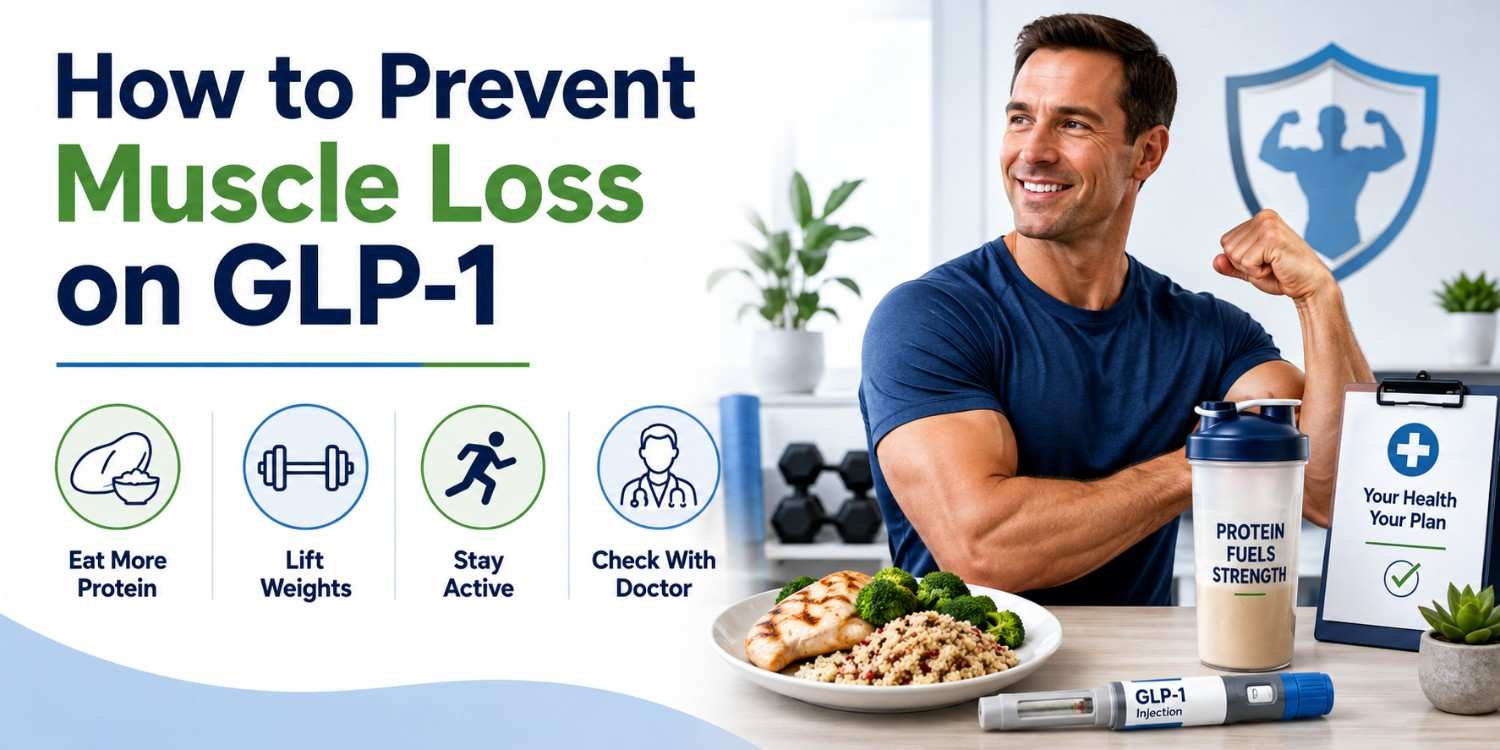
Protecting Muscle During GLP-1 Weight Loss
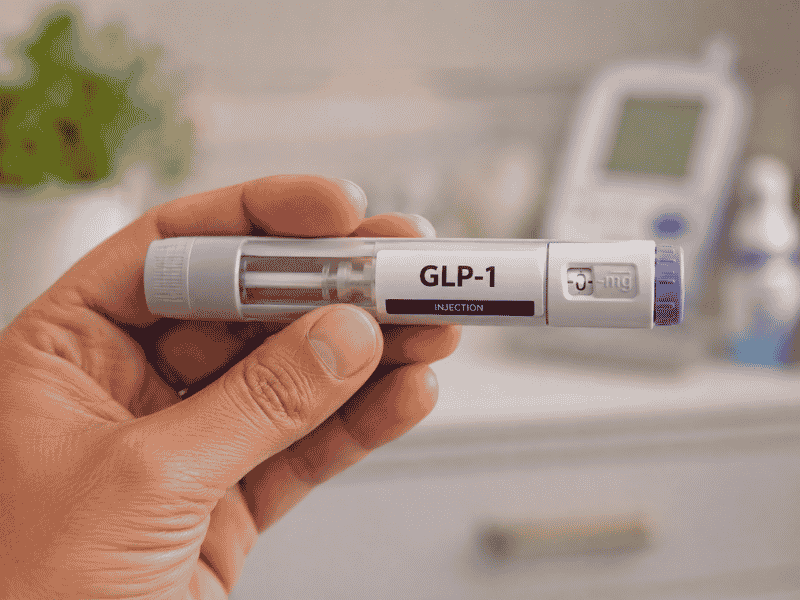
GLP-1 therapy can reduce appetite and make it easier to consume fewer calories. However, when food intake drops significantly, protein intake may also fall.
Without enough dietary protein and resistance exercise, part of the weight lost may come from lean muscle rather than stored body fat alone.
Muscle preservation therefore requires a deliberate strategy built around protein, strength training, balanced meals and adequate recovery.
1. Increase Protein Intake
When calorie intake drops—especially during treatment with weight-loss injections—protein becomes even more important.
A daily target of approximately 1.2–1.6 grams of protein per kilogram of body weight can provide a practical starting range for supporting muscle retention.
| Body Weight | Lower Target | Upper Target |
|---|---|---|
| 60 kg | 72 g protein per day | 96 g protein per day |
| 70 kg | 84 g protein per day | 112 g protein per day |
Spread Protein Across the Day
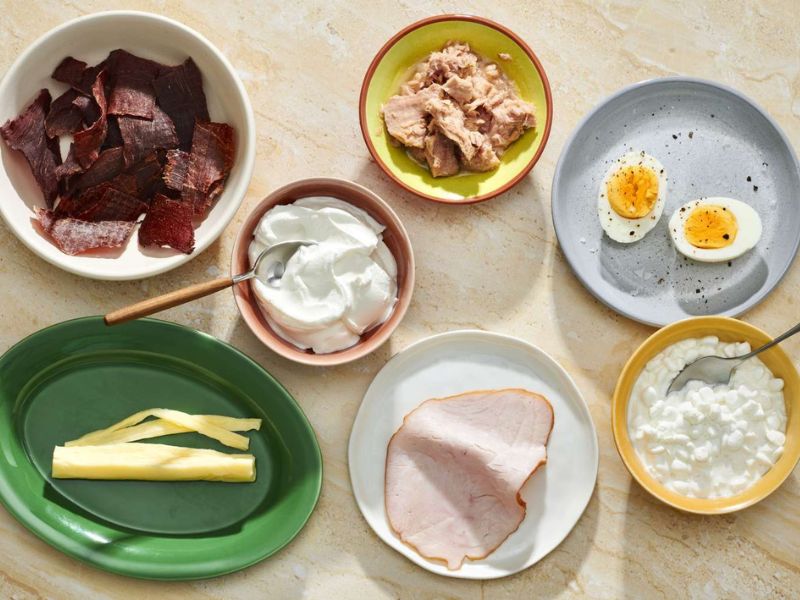
When appetite is reduced, consuming all your protein in one or two large meals can feel uncomfortable. Smaller servings distributed throughout the day may be easier to manage.
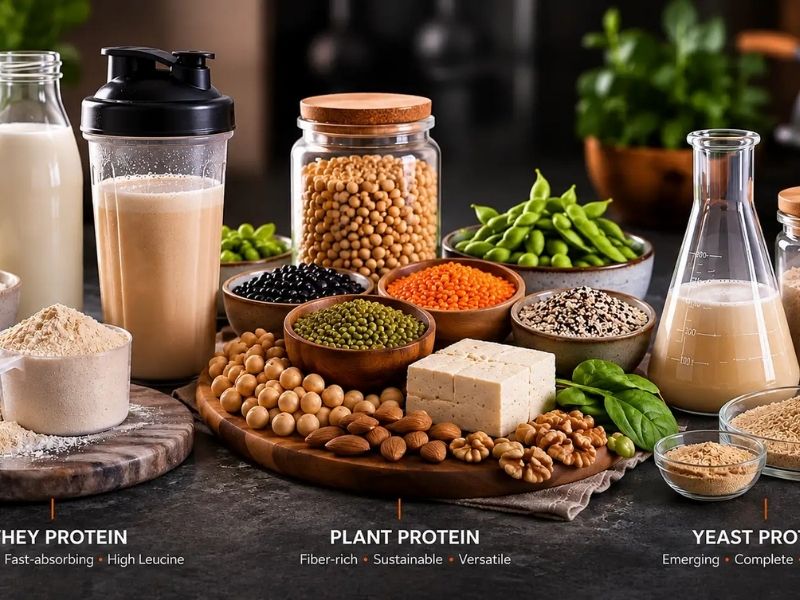
High-Quality Protein Options
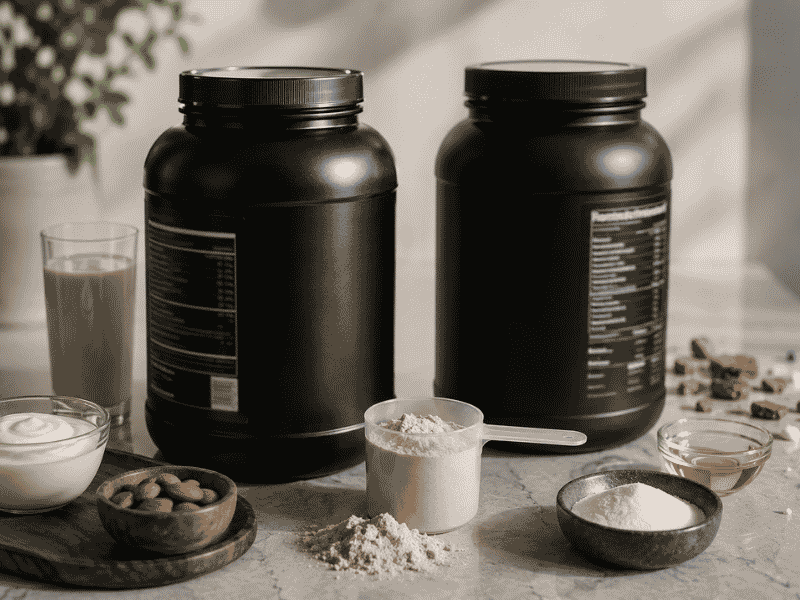
Closing the Protein Gap With Iso Ripped
QNT Iso Ripped
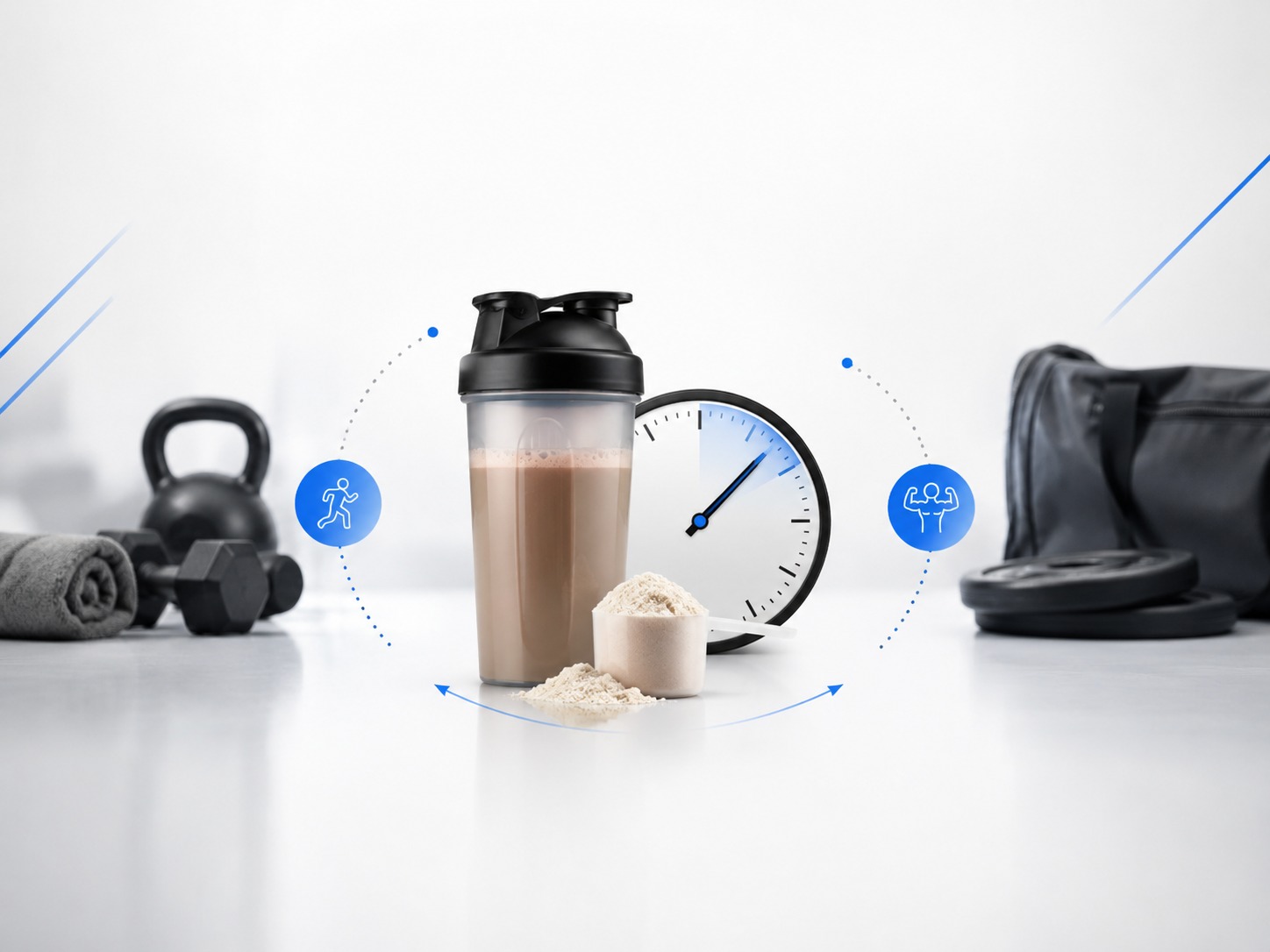
When appetite is low, a high-quality whey isolate can help increase protein intake without requiring a large meal. Iso Ripped can help close the protein gap as part of a balanced muscle-preservation plan.
Why Protein Matters
The body has fewer amino acids available to maintain and repair muscle, which may increase the risk of losing lean tissue during a calorie deficit.
Adequate protein supports muscle maintenance and recovery, particularly when combined with regular resistance training.
2. Add Strength or Resistance Training
Cardio can support fitness and energy expenditure, but resistance training is especially important for preserving muscle during weight loss.
Resistance exercise signals the body that muscle is still required, helping support lean mass while body weight decreases.
Train Two to Three Times Weekly
Schedule focused sessions with adequate rest between workouts.
Choose Suitable Resistance
Use free weights, machines, resistance bands or bodyweight exercises.
Progress Gradually
Even light resistance can be useful when the challenge increases safely over time.
Exercises to Prioritise
3. Don’t Crash Diet Too Hard
Combining GLP-1 therapy with an extremely low-calorie diet may increase the risk of fatigue, nutrient gaps and muscle loss.
Do not intentionally push food intake unnecessarily low when appetite is already suppressed.
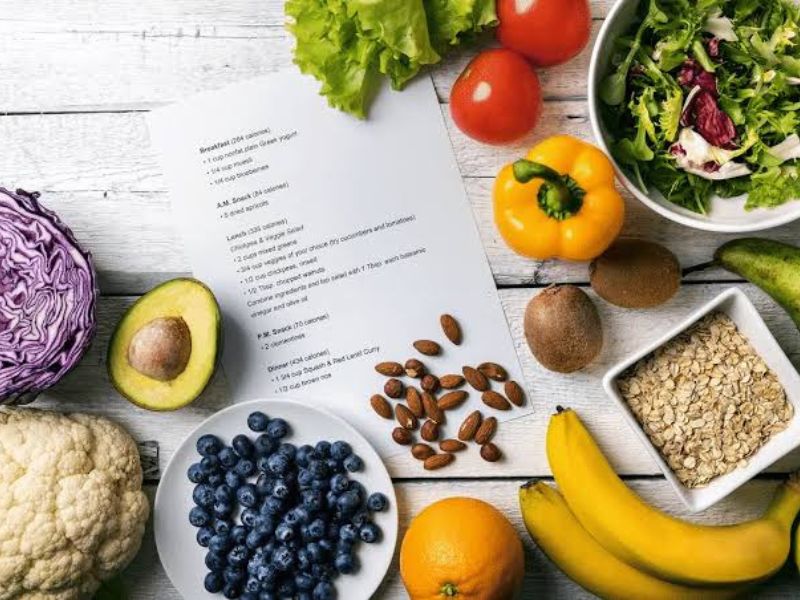
Combine protein with vegetables, suitable carbohydrates and healthy fats.
Start each meal with its main protein source before adjusting carbohydrate and fat portions.
A Simple Balanced-Meal Structure
4. Hydration, Sleep and Professional Support
Drink regularly throughout the day, particularly when reduced appetite also reduces fluid intake.
Adequate sleep supports recovery, appetite regulation, energy and training performance.
Review medication response, nutrition, symptoms and progress with a doctor or dietitian.
Signs Your Intake May Be Too Low
Muscle-Preservation Action Plan
Set Your Protein Target
Use approximately 1.2–1.6 g per kilogram as a starting range, then personalise it professionally.
Lift Consistently
Complete two to three resistance-training sessions each week.
Avoid Severe Restriction
Eat balanced meals and avoid pushing calories unnecessarily low.
Use Convenient Protein
Include a whey-isolate serving when low appetite makes meals difficult.
Monitor Strength
Track exercise performance, mobility, energy and daily function—not only scale weight.
Review Your Plan
Use regular medical and nutrition check-ins to adjust the strategy safely.
Frequently Asked Questions
Why can GLP-1 therapy lead to muscle loss?
Reduced appetite can lower both calories and protein. Without enough protein and resistance exercise, part of the lost weight may come from lean muscle.
How much protein should someone on GLP-1 therapy consume?
The article recommends approximately 1.2–1.6 grams per kilogram of body weight daily as a starting range, with professional personalisation.
How much protein should be eaten per meal?
Aim for approximately 20–30 grams per meal or snack. Some larger meals may provide around 30–40 grams.
How often should strength training be performed?
Approximately two to three focused sessions per week can provide a consistent muscle-preservation signal.
Does strength training need to be heavy?
No. Light weights, resistance bands, machines and bodyweight exercises can all be useful when the resistance is appropriate and progressed gradually.
Is whey isolate useful when appetite is low?
A whey-isolate shake can provide concentrated protein in a smaller, easy-to-consume serving when meals feel difficult.
Can one scoop of Iso Ripped help?
One serving may help close a protein gap when total food intake is low. It should be included according to the product label and the person’s complete daily protein target.
Should carbohydrates and fats be removed?
No. Protein should be prioritised, but carbohydrates and healthy fats remain part of a balanced diet and should be adjusted according to individual needs.
Final Thoughts
Preventing muscle loss during GLP-1 therapy requires more than watching the scale.
Adequate protein provides the building blocks for muscle, while resistance training gives the body a reason to preserve it.
Combine these foundations with balanced meals, hydration, sleep and regular professional support to improve the quality of your weight-loss journey.