The Three Essential Pillars of Fitness for Every Age
A complete fitness routine is about more than cardio. Strength training, cardiovascular exercise, flexibility and mobility all play different roles in helping you stay strong, capable and active as you age.
Key Takeaways
Fitness Is More Than Cardio
When people think about improving health, cardio is often the first thing that comes to mind. Walking, jogging, cycling and swimming are all valuable, but cardiovascular exercise is only one part of a balanced fitness routine.
Long-term physical capability depends on several qualities working together: muscular strength, cardiovascular endurance, joint mobility, flexibility, coordination and recovery.
That is why a well-rounded fitness plan should combine three core physical pillars: strength training, cardio, and flexibility or mobility work.
1. Strength Training — A Foundation for Every Age
Strength training is not only for athletes, bodybuilders or younger adults. It is an important component of fitness across the lifespan.
Muscle mass and strength can gradually decline with age, especially when physical activity is low. This age-related loss of muscle is commonly referred to as sarcopenia when it becomes clinically significant.
Regular resistance exercise can help maintain or improve muscle strength and support everyday activities such as walking, climbing stairs, carrying groceries and getting up from a chair.
Why Strength Matters as You Age
Resistance exercise provides a stimulus that helps preserve and build skeletal muscle.
Stronger muscles make daily tasks easier and may help maintain independence later in life.
Appropriate resistance training can support balance, coordination and confidence during movement.
Weight-bearing and resistance exercises can contribute to maintaining bone strength when appropriately programmed.
Strength Training Does Not Have to Mean Heavy Lifting
Strength training simply means challenging muscles against resistance. The appropriate resistance depends on your ability and experience.
2. Cardio — Keep Your Heart and Endurance Strong
Cardiovascular exercise trains the heart, lungs and circulatory system to work more efficiently during activity.
Activities such as walking, running, cycling, swimming and dancing can improve aerobic fitness and make everyday physical tasks feel easier.
Regular aerobic activity supports heart and circulatory fitness.
Cardio can improve your ability to sustain activity for longer periods.
Aerobic exercise contributes to daily energy expenditure and can support weight-management plans.
Better aerobic fitness can make walking, travelling and recreational activities feel easier.
Cardio and Strength Work Better Together
Cardio and strength training should not be treated as competitors. They train different physical qualities.
Strength work helps maintain muscle and force production, while cardio supports endurance and cardiovascular fitness. Combining both creates a more complete training programme.
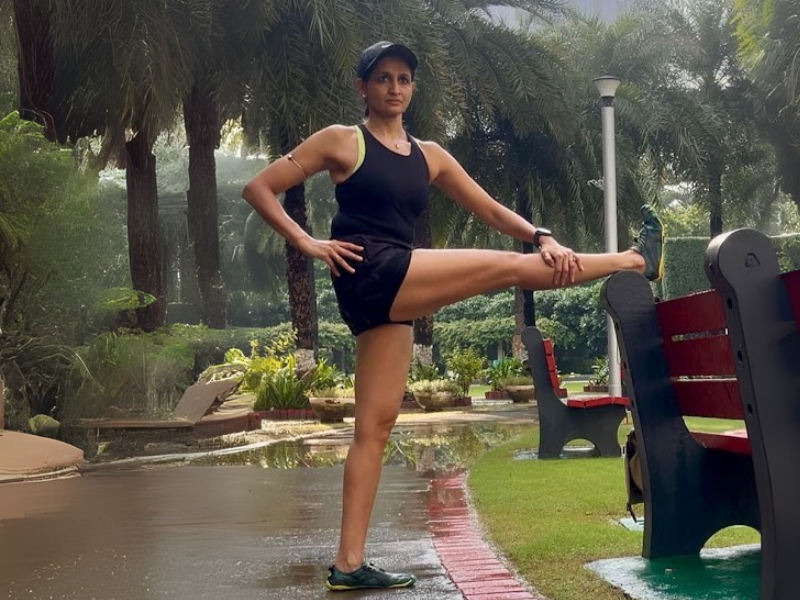
3. Flexibility and Mobility — The Often-Ignored Pillar
Strength and endurance are useful only when the body can move comfortably through the ranges required for daily life and exercise.
Flexibility and mobility are related but not identical. Flexibility generally refers to the ability of muscles and tissues to lengthen, while mobility includes controlled movement through a joint’s usable range.
Stretching exercises can help maintain comfortable ranges of motion and reduce feelings of stiffness.
Mobility work combines range of motion with strength, coordination and control around the joint.
Yoga and Pilates Can Complement Your Routine
Practices such as yoga and Pilates can provide useful flexibility, mobility, balance, body-awareness and core-control work.
They can complement resistance and cardiovascular training, although they do not necessarily replace either pillar depending on your goals and programme.
The Three Pillars at a Glance
| Pillar | Primary Focus | Examples | Why It Matters |
|---|---|---|---|
| Strength | Muscle and force production | Weights, bands, bodyweight | Supports muscle, balance and everyday function. |
| Cardio | Heart, lungs and endurance | Walking, cycling, swimming | Supports aerobic fitness and work capacity. |
| Mobility & Flexibility | Movement range and control | Stretching, yoga, mobility drills | Supports comfortable and efficient movement. |
Don’t Forget the “Work-In”
Fitness is not only about how hard you train. Recovery, stress management and mental well-being influence how consistently you can train and how you feel outside the gym.
Practices such as mindfulness, meditation and controlled breathing can be useful tools for relaxation and stress management.
What a Balanced Week Can Look Like
There is no single routine that suits every person, but a balanced week can include all three fitness pillars without requiring intense training every day.
| Day | Primary Focus | Example |
|---|---|---|
| Monday | Strength | Full-body resistance workout |
| Tuesday | Cardio | Brisk walk, cycling or swimming |
| Wednesday | Mobility & Recovery | Yoga, Pilates or mobility drills |
| Thursday | Strength | Resistance workout |
| Friday | Cardio | Moderate aerobic session |
| Saturday | Mixed Movement | Walk, recreational sport or mobility work |
| Sunday | Recovery | Rest, gentle movement and relaxation |
This is only an example. Frequency, intensity and exercise choice should reflect individual ability, goals and recovery capacity.
How the Priorities May Change With Age
Build strength, movement skills and cardiovascular capacity that can serve as a long-term foundation.
Continue prioritising resistance training while paying closer attention to mobility, recovery and sustainable workload.
Preserve strength, balance, aerobic fitness and independence with appropriately scaled exercise.
The exercises may change with age, but the need to maintain strength, endurance and movement capacity does not disappear.
Fitness for Longevity Is About Function
Fitness should not only be measured by body weight, visible muscle or how intense your workouts look.
Being able to walk confidently, carry objects, climb stairs, maintain balance, participate in hobbies and remain independent are meaningful markers of long-term physical fitness.
Frequently Asked Questions
What are the three main pillars of fitness?
A balanced programme can be built around strength training, cardiovascular exercise, and flexibility or mobility work.
Is cardio enough to stay fit?
Cardio is important, but it does not fully replace resistance training or mobility work because each develops different physical qualities.
Is strength training safe for older adults?
Appropriately designed resistance training can be suitable for many older adults. Exercise selection and intensity should match ability and medical circumstances.
What is sarcopenia?
Sarcopenia is an age-related condition involving loss of skeletal muscle mass, strength and physical function.
Is yoga enough for flexibility and mobility?
Yoga can contribute to flexibility, mobility, balance and body awareness, but the ideal programme depends on your specific needs and goals.
How often should I strength train?
Frequency depends on age, experience, programme design and recovery. Many people can benefit from regular resistance sessions each week with adequate recovery between them.
Do mindfulness and breathing count as fitness?
They do not replace physical exercise, but they can complement a fitness routine by supporting relaxation, stress management and recovery.
Final Takeaway
A complete fitness routine should not revolve around one type of exercise.
Strength training helps maintain muscle and physical capability. Cardio supports heart health and endurance. Flexibility and mobility help you move comfortably and efficiently.
Add sensible recovery and stress-management practices, and you create a more complete foundation for long-term well-being.
Train smart, stay mobile, protect your recovery and build the kind of fitness that keeps serving you at every stage of life.