Complete Weight Loss Guide: Healthy Tips to Lose Weight Naturally
A practical weight loss guide covering healthy eating, exercise, hydration, sleep and consistency for sustainable, long-term fat loss.
Key Takeaways
Many people struggle with weight loss because they follow extreme diets, unrealistic workout routines or short-term fixes. Real weight loss isn't about starving yourself — it's about building habits that help you lose fat in a healthy, manageable and sustainable way.
This guide covers the basics of healthy weight loss — diet, exercise, hydration, sleep and consistency — whether you're a beginner or restarting your journey.
What Is Healthy Weight Loss?
Healthy weight loss means gradually reducing body fat while supporting your overall health, energy and performance — it's about long-term lifestyle change, not temporary restriction. The goal isn't just a lighter number on the scale, but becoming healthier, stronger and more active.
Why Weight Loss Matters
Managing your weight can make daily life easier and support overall health. Healthy weight loss may help improve:
- Energy levels and mobility
- Fitness performance and endurance
- Sleep quality and confidence
- Daily comfort
Weight loss isn't about perfection — small, steady progress adds up over time.
"The best fat loss plan is the one you can actually follow — consistently, not perfectly."
The Science of Weight Loss
To lose weight, your body generally needs a calorie deficit — burning more calories than you consume. This doesn't mean starving yourself; it means managing intake while increasing activity in a balanced way. Weight loss is influenced by:
1. Focus on a Calorie Deficit
A calorie deficit is the foundation of most weight loss plans — created by eating slightly fewer calories, increasing activity, or both. Keep the deficit moderate; going too low causes fatigue, cravings and poor consistency.
Smart Ways to Reduce Calories
- Reduce portion sizes slightly
- Cut down on sugary drinks
- Limit fried and highly processed foods
- Choose filling, high-protein meals
- Snack mindfully
2. Eat More Protein
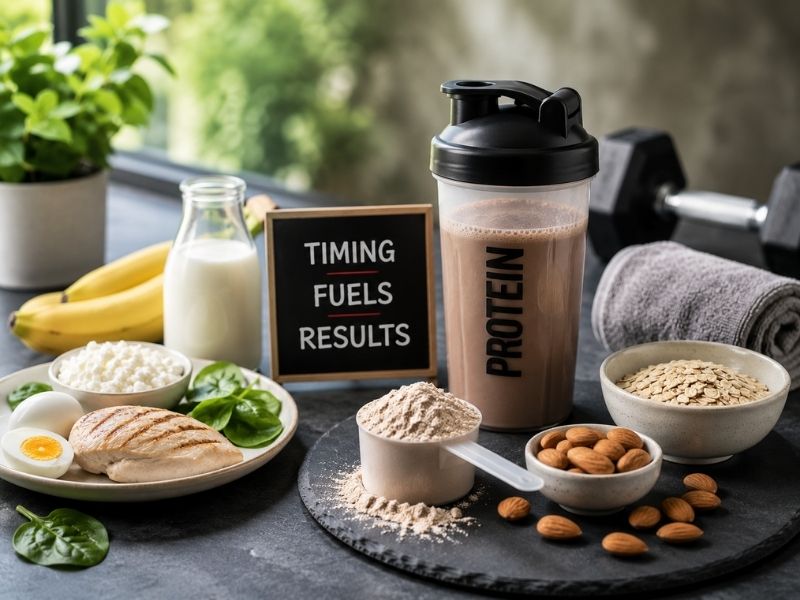
Protein is one of the most important nutrients during weight loss — it supports fullness and makes meals more satisfying. Include it in each major meal to reduce unnecessary snacking.
3. Choose Filling and Nutritious Foods
The best weight loss diet doesn't leave you hungry all day — it keeps you satisfied while managing calories. You don't need to eliminate treats entirely; controlling frequency and portion size is what matters.
| Prioritise | Limit |
|---|---|
| Vegetables, fruits, whole grains | Sugary drinks |
| Oats, dal, beans, millets | Excess sweets |
| Brown rice, whole wheat roti | Deep-fried snacks |
| Lean protein & moderate healthy fats | Frequent fast food / packaged snacks |
4. Control Portion Size
Even healthy foods can slow progress if portions are too large. Mindless eating often adds extra calories without you noticing.
Best Practice: Use smaller plates, serve meals instead of eating from packets, eat slowly, avoid distracted eating, and stop when comfortably full.
5. Stay Active Throughout the Day
Workouts matter, but so does overall daily movement — many people focus only on exercise sessions and ignore the rest of the day.
6. Include Cardio in Your Routine
Cardio helps burn calories and improves endurance — good options include brisk walking, jogging, cycling, skipping, swimming, dancing and stair climbing. Beginners can start with 20–30 minutes, 4–5 times per week; walking is one of the easiest starting points.
7. Do Strength Training
Weight loss isn't just about cardio — strength training helps you stay active, improve body shape and build a stronger routine. Aim for 2–4 sessions per week.
Beginner Strength Exercises
- Squats
- Lunges
- Push-ups
- Glute bridges
- Rows
- Shoulder presses
- Planks
8. Drink Enough Water
Hydration is often overlooked but plays an important role in overall wellness — it helps you stay refreshed, support workouts, and avoid confusing hunger with thirst.
Did You Know? Replacing sugary beverages with water avoids excess liquid calories — a simple change with a real impact on your calorie balance.
9. Improve Sleep Quality
Sleep has a major impact on eating habits, energy and consistency. Poor sleep increases fatigue, cravings and reduces motivation — weight loss becomes harder when recovery is poor.
✔ Better Sleep Checklist
- Sleep at a regular time
- Avoid late-night screen use
- Reduce caffeine late in the day
- Keep your room comfortable
- Avoid heavy meals before bed
10. Manage Stress
Stress affects appetite, routine and eating behaviour — many people overeat when stressed, bored or emotionally drained. Your mental routine matters just as much as your physical one.
11. Avoid Crash Diets
⚠ Why Crash Diets Fail
- Too restrictive to sustain
- Trigger cravings
- Often lead to overeating later
- Ignore long-term habits
Sustainable weight loss is slower — but far more effective in the long run.
12. Track Your Progress Properly
The scale is only one part of progress — weight fluctuates due to water retention, digestion and salt intake. Track the overall direction, not daily changes:
Sample Beginner Weight Loss Plan
| Time of Day | What to Do |
|---|---|
| Morning | Wake on time, drink water, short walk or light activity |
| Breakfast | Protein-rich meal — oats with milk, curd with fruit, eggs with toast |
| Lunch | Protein, vegetables, controlled carbs — dal, roti, sabzi, salad |
| Evening | Walk, gym, cycling or home workout; healthy snack if needed |
| Dinner | Balanced, protein + vegetables, avoid overeating |
| Before Bed | Avoid heavy snacking, sleep on time |
This is a basic structure — adjust it to your routine and food preferences.
Common Weight Loss Mistakes to Avoid
⚠ Watch Out For
- Skipping meals — often leads to overeating later
- Cutting all carbs — portion control matters more
- Depending only on cardio — strength training and diet matter too
- Expecting fast results — healthy weight loss takes time
- Eating "healthy" but overeating
- Inconsistency — quitting after one bad meal slows progress
- Ignoring sleep and stress — recovery strongly affects fat loss
How to Stay Consistent With Weight Loss
✔ Consistency Checklist
- Keep your plan simple
- Avoid extreme diets
- Prepare meals in advance
- Track your habits
- Stay active daily
- Choose workouts you enjoy
- Don't quit after one cheat meal
- Focus on weekly progress, not perfection
Frequently Asked Questions
What is the best way to lose weight?
Combining a calorie deficit, balanced nutrition, regular exercise, daily activity and consistency.
How much weight can I lose in a month?
It varies by person — a steady, manageable approach beats extreme short-term methods.
Can I lose weight without exercise?
Yes, weight loss is mainly calorie balance, but exercise supports fitness and long-term results.
Is walking good for weight loss?
Yes — it's one of the best beginner-friendly, easy-to-maintain activities.
Should I stop eating rice or roti to lose weight?
No — portion control and total calorie intake matter more than removing specific foods.
What foods should I avoid for weight loss?
Limit sugary drinks, fried foods, processed snacks and frequent overeating — balance over total restriction.
Is strength training necessary for weight loss?
Yes — it supports an active lifestyle and improves your overall fitness routine.
How many times a week should I work out?
4–5 active days per week, combining walking, cardio and strength training.
Why am I not losing weight even after working out?
Possible reasons: overeating, poor portion control, inconsistency, lack of sleep, or expecting results too quickly.
Are supplements necessary for weight loss?
No — diet, exercise, hydration and sleep matter more for most people.
What should I eat at night for weight loss?
A balanced dinner with protein, vegetables and controlled carbs — avoid overeating late.
How do I control cravings during weight loss?
Eat enough protein, stay hydrated, avoid extreme dieting, sleep well and keep treats in controlled portions.
How long does it take to see results?
Energy and routine changes come within weeks; visible physical changes usually take longer.
Can I have cheat meals during weight loss?
Yes — occasional treats are fine as long as you return to your routine afterward.
What matters more: diet or exercise?
Both matter — diet drives the calorie deficit, while exercise supports fitness and long-term results.
Important: This article is for general informational purposes only and does not replace professional medical or dietary advice. If you have a medical condition, are pregnant, or have specific health concerns, consult a qualified healthcare professional before starting a weight loss plan.