Best Whey Protein in India for Your Diet, Digestion and Fitness Routine
Find the right whey protein through five real-life profiles covering vegetarian diets, irregular office meals, sensitive digestion, strength training and calorie-conscious fitness.
Key Takeaways

The Best Whey Protein Is Personal
Search for the best whey protein in India, and you will find rankings comparing brands, flavours and protein numbers before announcing one universal winner. Real users do not make decisions that way.
A vegetarian closing a daily protein gap has different needs from an office-goer who misses meals. Someone with a sensitive stomach should not follow the same checklist as a strength-training athlete or a calorie-conscious user.
First, Calculate How Much Protein You Need
Before matching yourself to a profile, calculate your approximate protein requirement and how much is already supplied by food.
Count protein from dal, milk, curd, paneer, tofu, soy, eggs, meat and other regular foods before deciding the whey serving.
Quick Profile Finder
| Your Situation | Main Priority | Examine First |
|---|---|---|
| Vegetarian with a protein gap | Completing daily intake | Food intake and protein per serving |
| Office-goer with irregular meals | Convenience and consistency | Portability, mixability and serving size |
| Person with a sensitive stomach | Digestive comfort | Formula, ingredients and pack size |
| Strength-training gym user | Training and recovery support | Total daily protein and serving quality |
| Calorie-conscious fitness user | Protein within a calorie budget | Protein-to-calorie ratio, sugar and fat |
Profile 1: Vegetarian With a Daily Protein Gap
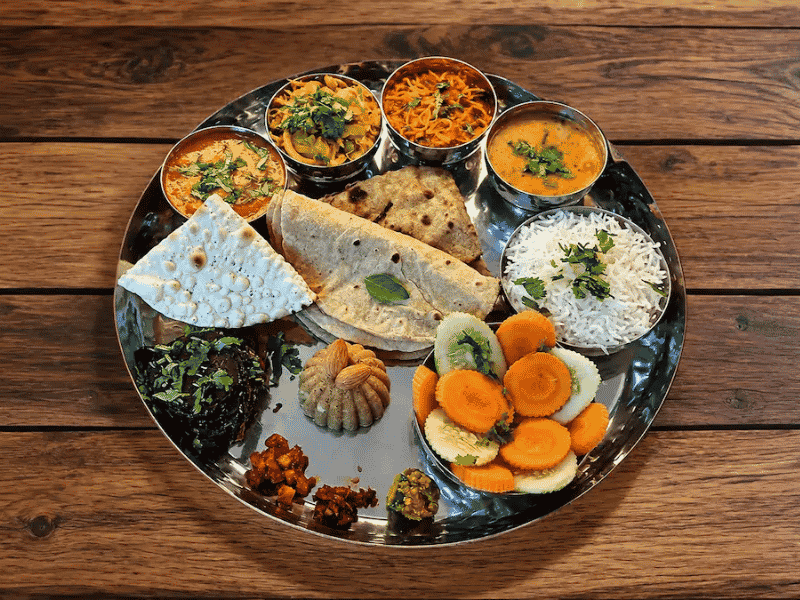
You regularly eat dal, roti, rice, vegetables, milk or curd, but your total protein intake still remains below your target. This often happens when breakfast is carbohydrate-heavy, dal portions are small and paneer, tofu or soy is eaten only occasionally.
What Matters Most
- Protein provided per serving
- Actual food-based shortfall
- Cost per serving
- Dairy tolerance
- Concentrate, isolate or blend
Buying Checklist
- Track two or three normal eating days
- Improve portions of dal, dairy, tofu or soy
- Confirm a repeated protein gap remains
- Match the serving to that shortfall
- Do not replace proper meals with shakes
Profile 2: Office-Goer With Irregular Meals
You leave home early, attend back-to-back meetings, eat lunch late or train directly after work. Tea, coffee and biscuits often replace a proper snack. Your biggest challenge may be consistency rather than food knowledge.
Profile 3: Person With a Sensitive Stomach
Previous powders may have caused bloating, heaviness, excessive sweetness or discomfort. This profile should prioritise tolerance over discounts, unusual flavours and large pack sizes.
Review Before Buying
- Whey source and complete ingredient list
- Sweeteners and flavouring ingredients
- Recommended serving size
- Your previous response to dairy
- Availability of a smaller trial pack
Controlled Test
- Test a smaller pack when possible
- Begin with a controlled serving
- Mix with water before adding milk
- Avoid several new supplements together
- Observe digestion, fullness and comfort
Whey isolate is generally more filtered than concentrate and usually contains less lactose, carbohydrate and fat, although the exact profile varies. Compare the QNT whey protein isolate range when a leaner format better suits your preferences.
Profile 4: Strength-Training Gym User
You train with weights regularly and want to support recovery, muscle maintenance or muscle development. Your decision should begin with total daily protein rather than the largest scoop or strongest marketing claim.
Product Checklist
- Protein per serving
- Essential amino acid quality
- Calories and other macronutrients
- Serving size and consistency
Routine Checklist
- Structured, progressive training
- Adequate total calorie intake
- Protein distributed through normal meals
- Sufficient sleep and recovery
Profile 5: Calorie-Conscious Fitness User
You are managing body weight or body composition while maintaining adequate protein. Your priority is not finding a “fat-burning whey.” Whey is a convenient protein source that must fit your complete diet and calorie intake.
Concentrate, Isolate or Blend?
| Choose | It May Suit You When | Check Carefully |
|---|---|---|
| Whey concentrate | You tolerate dairy and want an economical everyday option. | Lactose, carbohydrate, fat and protein percentage. |
| Whey isolate | You prefer a leaner formula or do not tolerate some concentrates. | Price, complete ingredients and individual tolerance. |
| Whey blend | You want a combination of multiple whey sources. | Exact blend composition and protein per serving. |
No category is universally superior. Read the complete nutrition panel and ingredient list instead of choosing only from the front-label name.
Explore QNT Protein Options →Final Personal Buying Checklist
Final Takeaway
The best whey protein in India will not be identical for every buyer. A vegetarian may prioritise a measurable food-based gap, while an office-goer values convenience. A sensitive-stomach user should prioritise tolerance, and a strength-training user should focus on total intake and training quality.
Frequently Asked Questions
Which whey protein is best for beginners?
Beginners should first calculate food-based protein intake. Concentrate, isolate or a blend can be suitable when it fills a real gap, fits the budget and is tolerated comfortably.
Is whey isolate always better than concentrate?
No. Isolate generally provides a higher protein proportion and lower lactose, carbohydrate and fat, while concentrate may offer better value for users who tolerate it well.
Which whey suits a sensitive stomach?
There is no universal answer. Review dairy tolerance, serving size, sweeteners and ingredients. Test a smaller suitable formula before purchasing a large pack.
Can office-goers use whey as a meal replacement?
A whey shake should not routinely replace balanced meals. It can provide convenient protein when a meal is delayed, but complete meals supply additional nutrients.
Does whey protein help with fat loss?
Whey does not independently cause fat loss. It can help users meet protein requirements within a planned calorie intake, while overall diet and activity remain important.
How much whey should a strength-training user consume?
The amount depends on total daily protein requirements and food intake. Use whey only for the portion that remains after counting regular meals.
References
- ICMR-National Institute of Nutrition, Nutrient Requirements for Indians: Brief Note .
- International Society of Sports Nutrition, Position Stand: Protein and Exercise .
- Macnaughton et al., Response of Muscle Protein Synthesis Following Whey Protein Ingestion .
- Mamerow et al., Dietary Protein Distribution and Muscle Protein Synthesis .