Best Whey Protein for Indian Vegetarian Diets: Fill the Gap Without Replacing Real Food
Learn how to estimate protein from everyday Indian vegetarian foods, identify the remaining gap and use whey protein without replacing balanced meals.
Key Takeaways
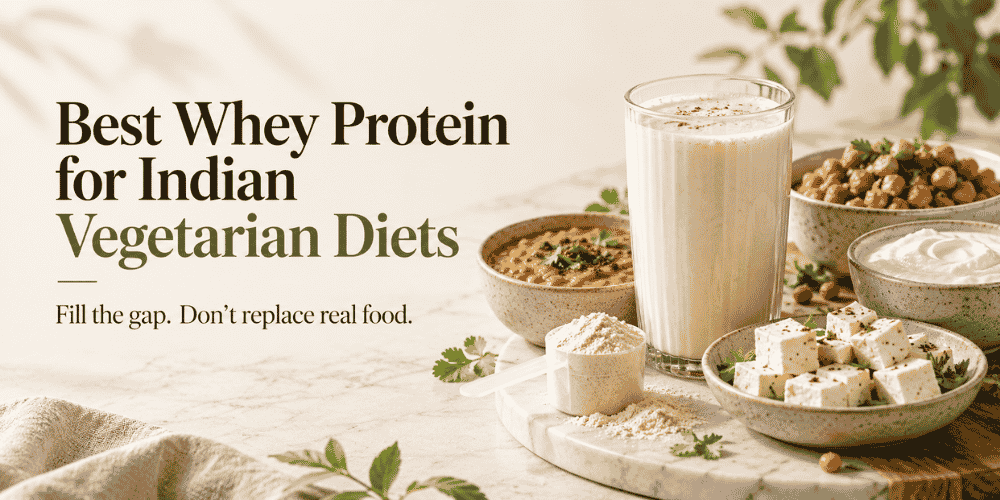
The Protein Gap in an Indian Vegetarian Diet
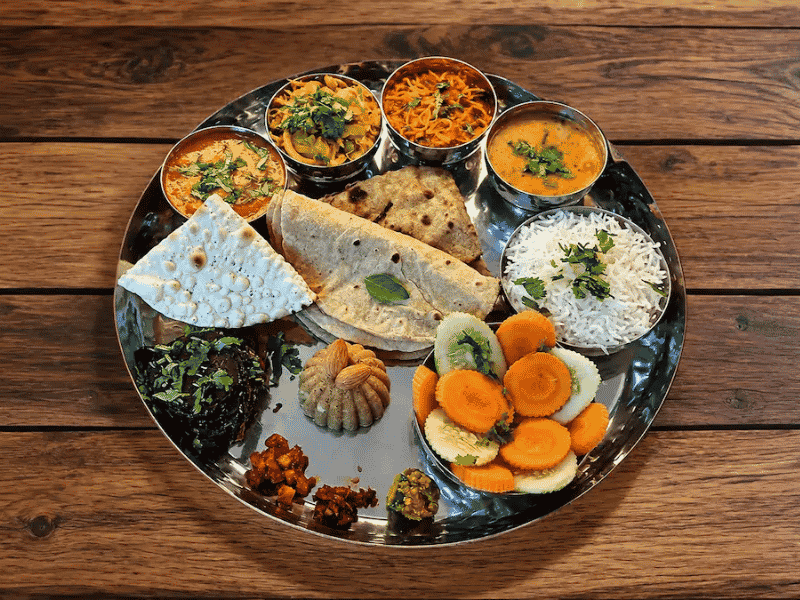
An Indian vegetarian diet can look balanced and still fall short on protein. A normal day may include poha and tea for breakfast, roti and sabzi for lunch, biscuits in the evening, and dal or paneer at dinner. Protein is present, but often in small and uneven amounts.
Choosing the best whey protein in India should begin with one question: how much protein is still missing after counting the food you already eat? Whey can fill that gap, but it should not replace complete meals.
Can a Vegetarian Diet Provide Enough Protein?
Yes. A planned vegetarian diet can provide adequate protein through pulses, legumes, dairy, soy, nuts, seeds and cereals. ICMR-NIN recommends a varied diet that includes pulses, nuts and milk products.
The main challenge is that many Indian meals are cereal-heavy, with large portions of rice or roti and comparatively small servings of dal, curd, paneer or soy.
Low-Protein Breakfasts
Tea, toast or plain poha may be filling without providing much protein.
Small Dal Portions
A small bowl of thin dal may contribute less protein than expected.
Weak Snack Choices
Tea and biscuits often replace more useful protein-containing snacks.
Limited Variety
Paneer, tofu, soy and legumes may appear too infrequently during the week.
Start With Your Protein Requirement
ICMR-NIN places the protein RDA for healthy Indian adults at about 0.83 grams per kilogram of body weight per day. People consuming cereal-heavy diets with lower protein quality may need closer to 1 gram per kilogram per day.
This is a general reference. Individual needs may differ according to body weight, activity level, training, calorie intake, age and health status.
Map Protein From Breakfast to Dinner
Track your food for at least three normal days and record realistic portions rather than writing only the food name.
| Food | Example portion | Approximate protein |
|---|---|---|
| Milk | 250 ml | 7–8 g |
| Curd | 200 g | 7–8 g |
| Paneer | 100 g | 18–20 g |
| Cooked dal | 1 medium cup | 9–14 g |
| Rajma or chole | 1 medium cup | 12–15 g |
| Dry soy chunks | 50 g | 24–26 g |
| Roasted chana | 30 g | 6–7 g |
| Two medium rotis | Depending on size | 5–7 g |
| Whey protein | One serving | Check the label |
These are planning estimates. Actual values vary by recipe, brand, serving size and cooking method.
What a Low-Protein Office Day Looks Like
Build a Food-First Protein Routine
Improve Breakfast
Choose moong dal chilla, besan chilla, paneer, tofu, milk, oats or idli with sambar.
Strengthen Lunch
Increase the dal portion and rotate rajma, chole and lobia with curd when suitable.
Upgrade Snacks
Replace biscuits with roasted chana, curd, milk, sprouts, soy snacks or paneer sandwiches.
Rotate Dinner Sources
Rotate paneer, tofu, soy chunks, dal, rajma, chole and mixed legumes.
Identify the Remaining Protein Gap
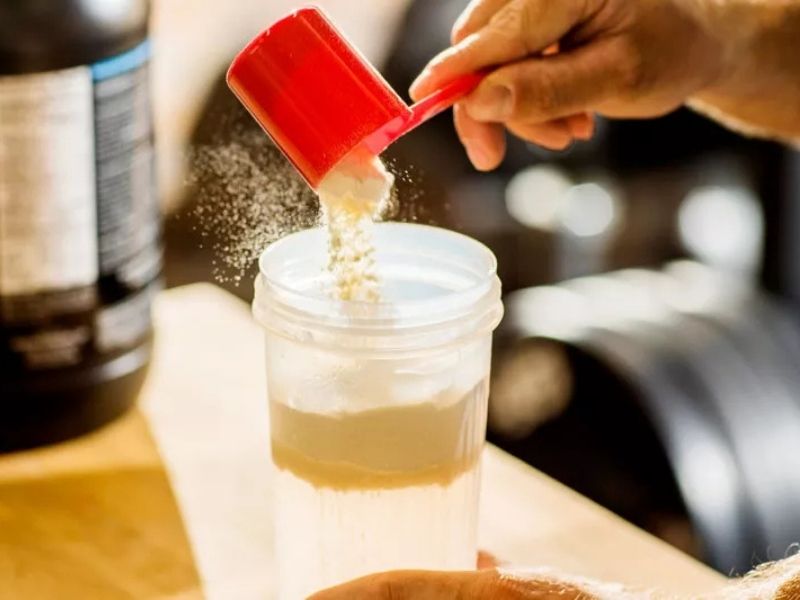
This is where whey may become useful. A serving may provide around 20–25 grams of protein, but scoop weight and protein quantity are not the same. Check the nutrition label and use only the amount needed to match the gap.
When Whey Protein Can Help
Total daily protein intake matters more than consuming a shake within an exact timing window. Before choosing the best whey protein , determine whether you need 10 grams, 20 grams or a complete serving.
When Another Scoop Is Unnecessary
- Your meals already meet your protein target.
- You have not calculated your total daily intake.
- Protein shakes are replacing balanced meals.
- You experience digestive discomfort after consuming whey.
- You are copying an influencer’s intake without considering your own needs.
Whole foods provide fibre, vitamins, minerals and variety. Whey is convenient, but it cannot replace everything supplied by a balanced meal.
Dal, Paneer, Soy or Whey?
| Protein source | Best used for | Key consideration |
|---|---|---|
| Dal and legumes | Complete lunches and dinners | Protein with fibre and carbohydrates |
| Milk and curd | Breakfasts and snacks | Choose when dairy suits your digestion |
| Paneer and tofu | Filling, protein-focused meals | Preparation affects calories and fat |
| Soy | Economical, protein-dense meals | Useful for rotating beyond dairy |
| Whey | Filling a measured protein gap | Convenient, but not a meal replacement |
How to Choose the Best Whey Protein in India
The top whey protein in India is not automatically the most expensive product or the one with the largest scoop. Evaluate the complete product rather than relying on front-label claims.
Do not confuse total scoop weight with actual protein quantity.
Review calories, carbohydrates, sugar, fat and serving size.
Understand the protein source, flavouring and other ingredients.
Choose a product that suits your digestion and regular routine.
Compare total protein in the pack, not only the tub price.
Check the seal, batch details, expiry date and seller.
Is Whey Protein Vegetarian?
Final Takeaway
The best vegetarian protein routine is not built by replacing dal and paneer with multiple shakes. Improve breakfast, increase meaningful portions of dal and legumes, rotate paneer, tofu and soy, and replace low-protein snacks.
The best whey protein in India is the one that fits the remaining gap, suits your digestion, matches your budget and supports a food-first routine.
Frequently Asked Questions
Can vegetarians meet protein requirements without whey?
Yes. A planned diet containing dal, legumes, dairy, paneer, tofu, soy, nuts and seeds can meet protein needs. Whey is useful when food intake repeatedly falls short.
Is one bowl of dal enough for the day?
Usually not. Protein should be distributed across breakfast, lunch, snacks and dinner rather than depending on one serving.
Is paneer better than whey?
They serve different purposes. Paneer is a whole food suitable for meals, while whey is a concentrated and convenient source for filling a measured protein gap.
Do beginners need whey protein?
References
- ICMR-National Institute of Nutrition, Nutrient Requirements for Indians.
- ICMR-NIN, Dietary Guidelines for Indians, 2024.
- ICMR-NIN, Indian Food Composition Tables, 2017.
- International Society of Sports Nutrition, Position Stand on Protein and Exercise.