Whey Isolate Protein Powder: More Than Just a High-Protein Supplement
Understand how whey protein isolate is made, who may benefit from it and whether its higher protein concentration, lower lactose and lean nutritional profile justify the premium price.
Key Takeaways
Introduction
Whey isolate protein powder is often positioned as the premium choice in sports nutrition. It usually contains a higher percentage of protein, less lactose and fewer carbohydrates and fats than standard whey concentrate.
However, paying more does not automatically guarantee better results. The value of isolate depends on your training goals, digestive comfort, daily calorie intake and overall protein requirements.
Understanding where isolate performs well—and where another protein may be equally suitable—can help you make a more informed purchasing decision.
“The best protein is not always the one with the highest percentage. It is the one that best matches your goals, digestion and budget.”
What Is Whey Protein Isolate?
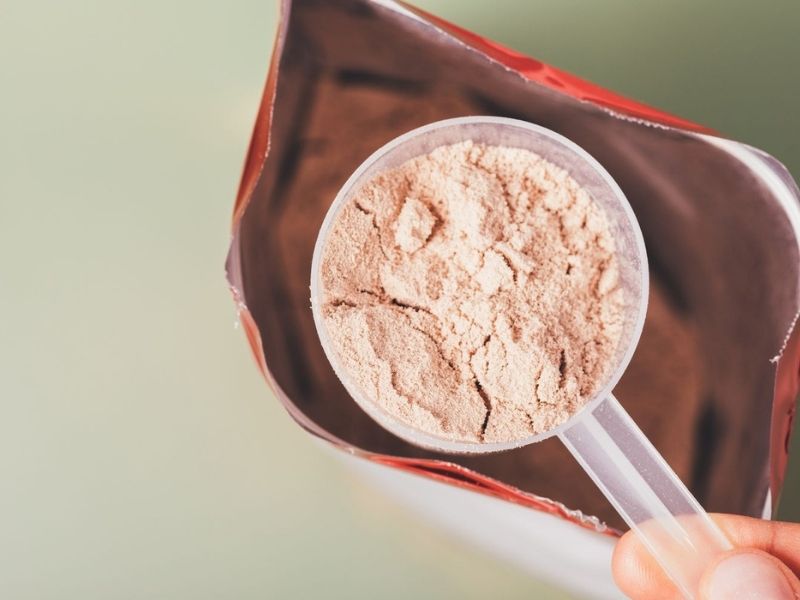
Whey protein isolate is a highly refined form of whey protein. Manufacturers remove most of the fat, carbohydrates and lactose naturally present in whey, leaving a more concentrated protein source.
A quality isolate commonly contains approximately 90% protein or more, although exact values vary between products.
Provides all nine essential amino acids required through the diet.
Contains leucine, isoleucine and valine as part of its natural amino acid profile.
May be easier to tolerate for some people with mild lactose sensitivity.
How Is Whey Isolate Protein Made?
Whey isolate begins with milk and passes through several stages before becoming a concentrated powder.
Separate Whey
Liquid whey is separated from milk during cheese production.
Filter
Microfiltration or ultrafiltration removes much of the lactose, fat and carbohydrates.
Concentrate Protein
The protein fraction becomes more concentrated as non-protein components are reduced.
Create Powder
The filtered whey is dried and prepared as a fast-digesting protein powder.
Nutritional Profile of Whey Isolate
Nutrition values differ between brands, flavours and serving sizes, but a quality whey isolate commonly offers the following characteristics.
This lean nutritional profile can make isolate appealing to people following calorie-controlled plans or seeking a high-protein, lower-carbohydrate supplement.
Potential Benefits of Whey Isolate Protein
Provides essential amino acids that support muscle repair after resistance training.
Offers concentrated protein with minimal additional carbohydrates and fats.
Provides a convenient source of rapidly digested protein around workouts.
May suit some people who experience discomfort with higher-lactose whey products.
Can help increase protein intake without adding large amounts of fat or carbohydrates.
Makes it easier for active individuals to cover gaps in daily protein intake.
QNT Smart Choice
People prioritising lean protein intake with minimal carbohydrates and fats may consider a premium QNT Whey Protein Isolate as part of their post-workout nutrition plan.
It may also be paired with QNT Creatine to support strength, power output and training performance within a structured exercise and nutrition programme.
Who May Benefit Most?
Whey Isolate vs Concentrate vs Hydrolysate
| Feature | Whey Isolate | Whey Concentrate | Whey Hydrolysate |
|---|---|---|---|
| Protein Content | Highest, approximately 90%+ | Moderate, approximately 70–80% | Very high |
| Lactose | Very low | Higher | Very low |
| Fat and Carbohydrates | Minimal | Slightly higher | Minimal |
| Digestion | Fast | Fast | Fastest |
| Best For | Lean muscle, calorie control and lower lactose needs | Everyday fitness and value | Specialised recovery and advanced performance needs |
Instead of asking which whey protein is universally best, consider which option best matches your diet, digestion, training demands and budget.
When Should You Take Whey Isolate?
Consistently meeting your total daily protein target matters more than consuming isolate at one exact time.
A serving within a couple of hours after resistance training can be a convenient way to support post-workout nutrition, particularly when a complete meal is not immediately available.
Smart Buying Checklist
Is Whey Isolate Worth the Extra Cost?
- You want high protein with minimal carbohydrates and fat.
- You are following a calorie-controlled diet.
- You experience discomfort with higher-lactose protein products.
- You prefer a more concentrated serving of whey protein.
- You digest dairy comfortably.
- Your calorie plan allows slightly more fat and carbohydrates.
- Your main goal is simply increasing daily protein.
- Budget and everyday value are major priorities.
Final Takeaway
The biggest advantage of whey isolate is not simply a higher protein number. Its value comes from delivering concentrated protein with minimal carbohydrates, fat and lactose.
For people prioritising lean muscle development, calorie-conscious nutrition or lower lactose intake, isolate may justify the additional cost.
For others, whey concentrate may offer similar practical results at a lower price. Choose according to your goals and use the product consistently alongside structured training, balanced nutrition and adequate recovery.
“Premium nutrition is defined by precision and transparency—not marketing claims alone.”
Frequently Asked Questions
What are the main benefits of whey isolate protein?
It provides concentrated complete protein with minimal carbohydrates, fat and lactose while supporting daily protein intake and post-workout recovery.
Who should use whey protein isolate?
It may suit athletes, people following calorie-controlled diets, individuals with mild lactose sensitivity and those seeking a lean protein supplement.
Is whey protein isolate lactose-free?
Not always. Most isolate products contain very little lactose, but people with severe lactose intolerance or milk allergies should review the label and seek suitable guidance.
Is whey isolate worth the premium price?
It may be worthwhile when you need lower lactose, minimal carbohydrates and fat or a highly concentrated protein serving. Otherwise, concentrate may provide similar practical results.
Can beginners take whey isolate every day?
Beginners can use it to help meet daily protein requirements when it complements a balanced diet and appropriate calorie intake.
Is whey isolate better for muscle gain than concentrate?
Not automatically. When total protein intake and training are adequate, both can support muscle development. Isolate mainly offers a leaner nutritional profile.
References
- International Society of Sports Nutrition: Position Stand on Protein and Exercise.
- Harvard T.H. Chan School of Public Health: The Nutrition Source — Protein.
- Academy of Nutrition and Dietetics, Dietitians of Canada and American College of Sports Medicine: Nutrition and Athletic Performance.
- National Institutes of Health: Office of Dietary Supplements.