Homemade Protein Chocolate Recipe: Easy, Rich and High in Protein
Learn how to make smooth homemade protein chocolate with cocoa powder, protein powder, nut butter and simple ingredients using this quick no-bake recipe.
Key Takeaways
What Is Homemade Protein Chocolate?
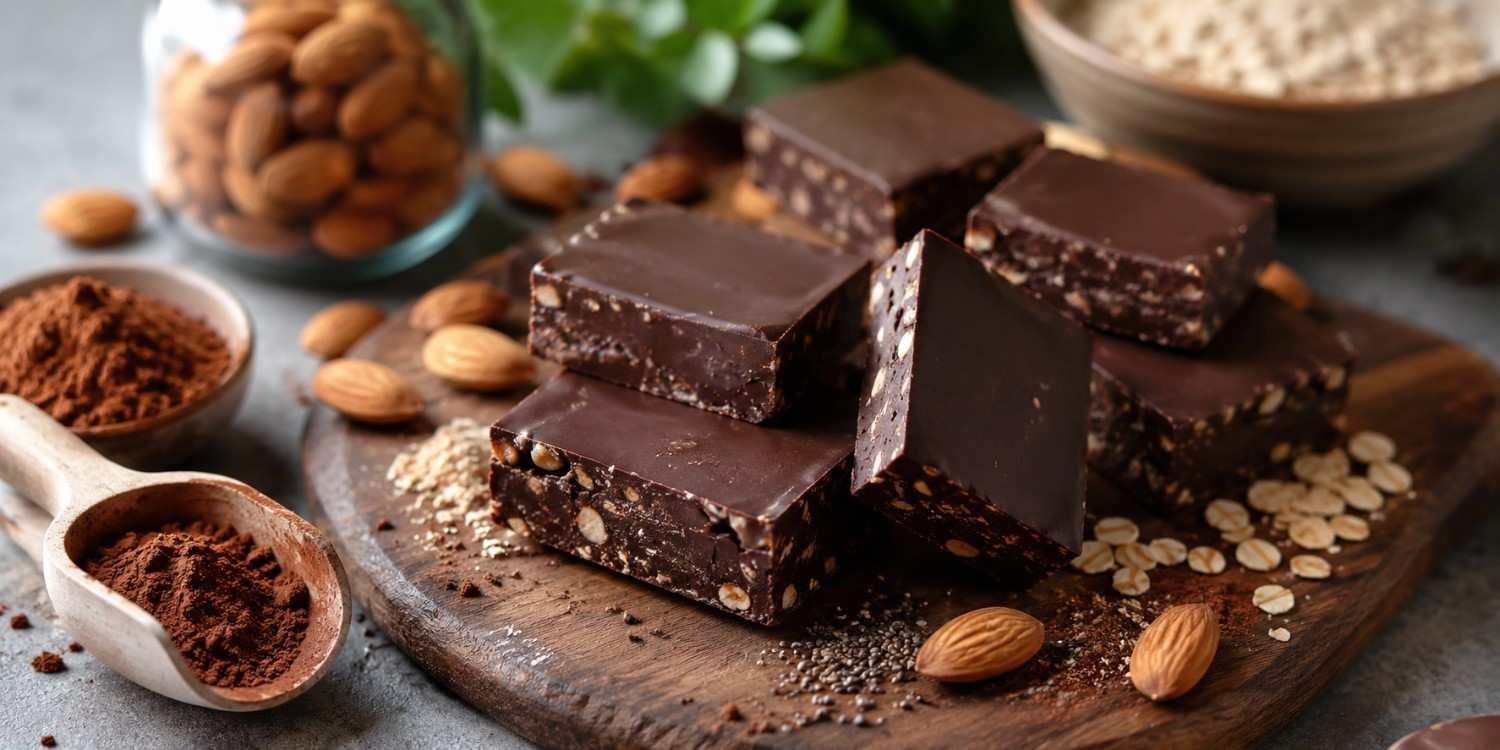
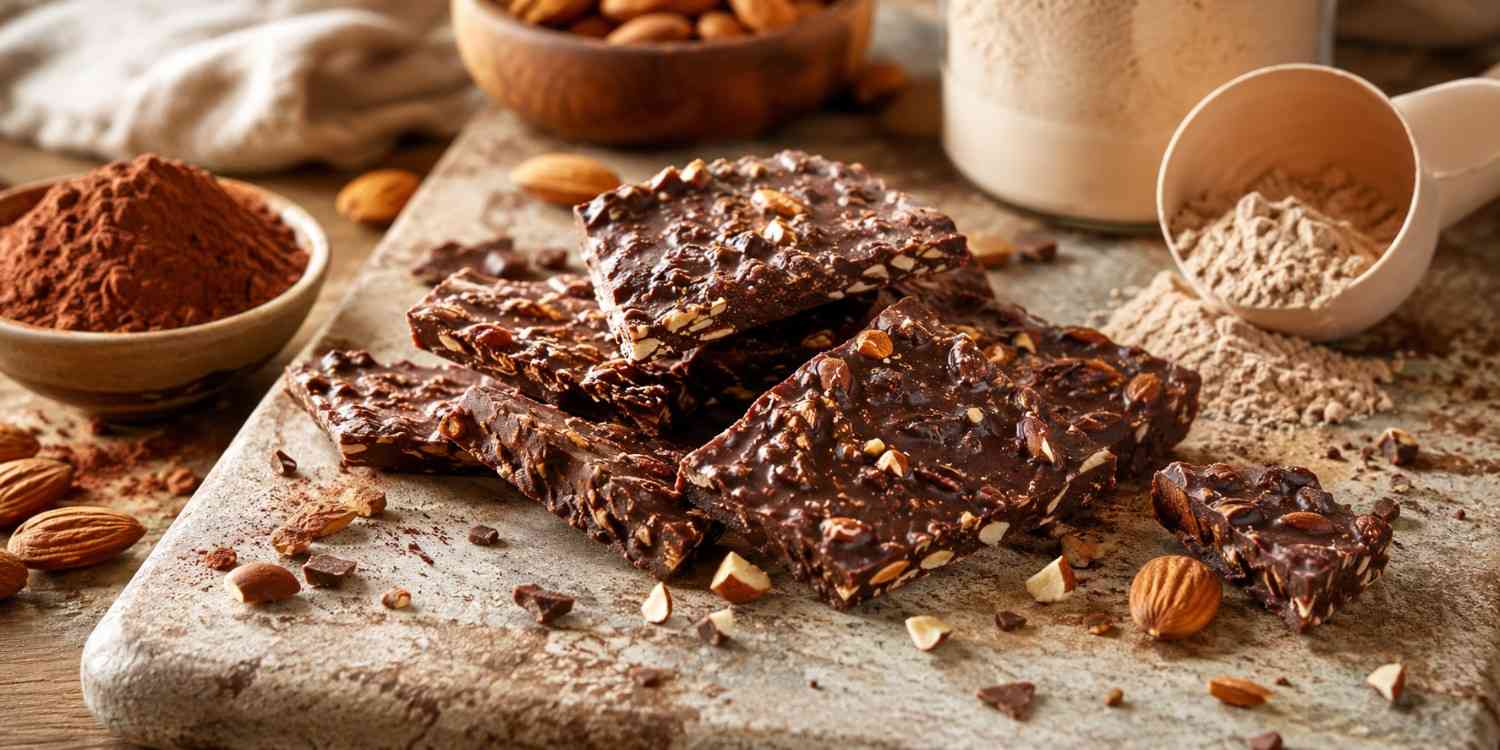
Homemade protein chocolate is a simple no-bake dessert made by combining cocoa powder, protein powder, nut butter, coconut oil and sweetener. The mixture is poured into a mould and chilled until firm.
Unlike traditional chocolate bars, this recipe does not require tempering cocoa solids. It produces a softer, truffle-like chocolate that can be customised with nuts, dried fruit, seeds, coconut or a small amount of sea salt.
“The best protein chocolate should taste rich and smooth, with enough protein powder to add value without overpowering the cocoa.”
Homemade Protein Chocolate Ingredients
For the Chocolate Base
- 60 g smooth peanut butter or almond butter
- 40 g coconut oil
- 30 g unsweetened cocoa powder
- 25–30 g chocolate or vanilla protein powder
- 2–3 tablespoons honey, maple syrup or preferred sweetener
- ½ teaspoon vanilla extract
- Small pinch of salt
Optional Add-Ins
- Chopped almonds, peanuts or hazelnuts
- Pumpkin, sunflower or chia seeds
- Unsweetened shredded coconut
- Dried cranberries or raisins
- Cacao nibs
- Powdered peanut butter
- Flaky sea salt
Equipment You Will Need
How to Make Homemade Protein Chocolate
Prepare the Mould
Place a silicone chocolate mould on a flat tray. Alternatively, line a small shallow container with parchment paper.
Melt the Coconut Oil
Melt the coconut oil gently in a microwave or over a bowl of warm water. It should be liquid but not excessively hot.
Combine the Wet Ingredients
Add the nut butter, sweetener and vanilla extract to the melted coconut oil. Whisk until smooth and evenly combined.
Sift the Dry Ingredients
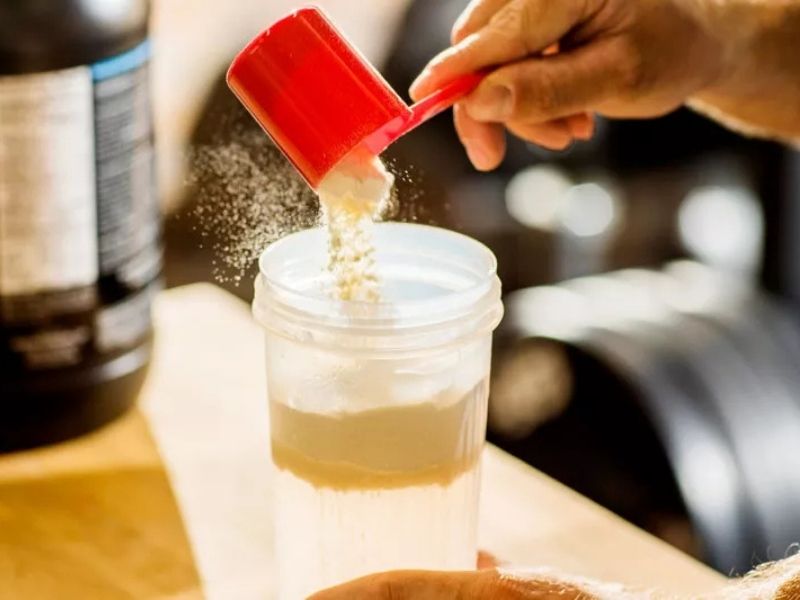
Sift the cocoa powder, protein powder and salt into a separate bowl to remove clumps.
Create the Chocolate Mixture
Add the dry ingredients gradually to the nut butter mixture. Whisk after every addition until the chocolate is smooth and glossy.
Adjust the Texture
If the mixture is too thick, add one teaspoon of melted coconut oil. If it is too thin, add a small amount of cocoa or protein powder.
Taste and Adjust
Taste a small amount and adjust the sweetness, cocoa or salt. The flavour will become slightly less intense when chilled.
Add Optional Mix-Ins
Fold in chopped nuts, seeds, coconut, dried fruit or cacao nibs. Keep the additions small enough for clean slicing.
Pour into the Mould
Pour the chocolate mixture into the prepared mould and spread it into an even layer. Tap the tray gently to release trapped air.
Chill Until Firm
Refrigerate for approximately 60 minutes or freeze for 20–30 minutes until firm. Remove from the mould and cut or break into pieces.
Why These Ingredients Matter
| Ingredient | Purpose | Best Practice |
|---|---|---|
| Cocoa powder | Provides the main chocolate flavour and dark colour. | Use unsweetened cocoa and sift it before mixing. |
| Protein powder | Adds protein, flavour and body. | Add gradually to prevent a chalky texture. |
| Nut butter | Creates richness, smoothness and a softer bite. | Choose a smooth variety without excess separation. |
| Coconut oil | Helps the mixture become fluid and firm when chilled. | Melt gently and avoid overheating. |
| Sweetener | Balances the bitterness of cocoa powder. | Adjust according to the sweetness of the protein powder. |
| Salt and vanilla | Improve the overall chocolate flavour. | Use small measured amounts to avoid overpowering the recipe. |
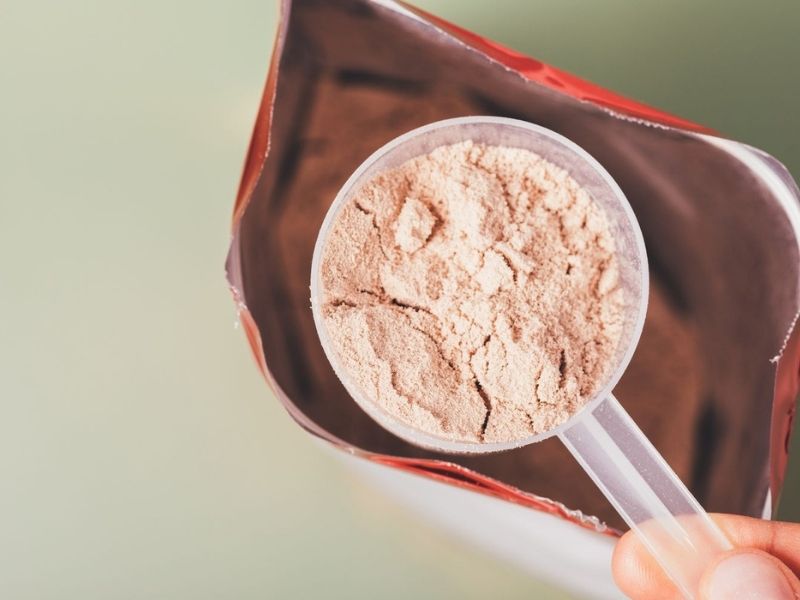
Which Protein Powder Works Best?
Whey Protein
Whey protein generally blends smoothly and works well in chocolate, vanilla, mocha and peanut butter recipes.
Casein Protein
Casein absorbs more liquid and may create a thicker, fudge-like chocolate. Use a smaller amount initially.
Plant Protein
Plant protein can be used, but some varieties may produce a firmer or slightly grainier texture. Smooth nut butter can help balance it.
Homemade Protein Chocolate Flavour Ideas
Peanut Butter
Use smooth peanut butter and finish with chopped roasted peanuts.
Almond Crunch
Combine almond butter with toasted chopped almonds and sea salt.
Mocha
Add a small amount of instant coffee powder to the cocoa mixture.
Coconut
Fold in unsweetened shredded coconut and sprinkle extra on top.
Fruit and Nut
Add chopped nuts with a small amount of dried cranberries or raisins.
Mint Chocolate
Replace vanilla with a very small amount of peppermint extract.
Tips for Smooth Protein Chocolate
Cocoa and protein powder blend more evenly when free from lumps.
Crunchy or dry nut butter can make the finished chocolate less uniform.
Very hot oil can affect the flavour and consistency of the protein powder.
Mixing in stages makes it easier to control thickness.
Use completely dry bowls, utensils and moulds.
This keeps the chocolate layer even while it sets.
Common Problems and Solutions
| Problem | Possible Cause | Solution |
|---|---|---|
| Chocolate tastes chalky | Too much protein powder was added. | Add more nut butter or melted coconut oil and mix thoroughly. |
| Mixture is too thick | The protein powder absorbed more liquid than expected. | Add melted coconut oil one teaspoon at a time. |
| Chocolate remains soft | Too much nut butter or sweetener was used. | Chill longer or add a small amount of cocoa powder. |
| Chocolate is too bitter | The cocoa powder is strong or insufficient sweetener was added. | Add a little more sweetener, vanilla or nut butter. |
| Chocolate separates | The ingredients were at very different temperatures or not mixed fully. | Warm the mixture gently and whisk until smooth. |
| Chocolate melts quickly | Coconut oil softens at warm room temperatures. | Serve directly from the refrigerator and keep leftovers chilled. |
Protein Chocolate Nutrition Considerations
Protein Content
The final protein content depends on the protein powder, nut butter and serving size. Check individual product labels when calculating nutrition.
Portion Size
Coconut oil, nut butter and sweeteners are concentrated ingredients. Cut the chocolate into measured pieces for consistent servings.
Optional Add-Ins
Nuts, seeds, dried fruit and chocolate chips alter the final energy, sugar, fat and protein content.
Storage Instructions
Refrigerating
Store the chocolate in an airtight container in the refrigerator for up to one week.
Freezing
Freeze the pieces in a sealed container for longer storage. Separate the layers with parchment paper.
Before Serving
Allow frozen pieces to stand for a few minutes before eating so they soften slightly.
Homemade Protein Chocolate Checklist
Frequently Asked Questions
1. How do you make homemade protein chocolate?
Mix melted coconut oil with nut butter, sweetener and vanilla. Gradually whisk in sifted cocoa powder and protein powder, pour the mixture into a mould and chill until firm.
2. Which protein powder is best for homemade chocolate?
Chocolate or vanilla whey protein generally blends smoothly. Casein creates a thicker texture, while plant protein may produce a firmer or slightly grainier result.
3. Can I make protein chocolate without coconut oil?
Yes. Melted cocoa butter can create a firmer result. Extra nut butter may also work, but the chocolate will remain softer and more fudge-like.
4. Can I make protein chocolate without nut butter?
Yes. Seed butter, cocoa butter or additional coconut oil can be used, although the flavour and texture will change.
5. Why is my protein chocolate chalky?
A chalky texture usually results from using too much protein powder or failing to mix it completely. Add more nut butter or coconut oil to improve the texture.
6. Why does homemade protein chocolate melt quickly?
Coconut oil softens at warm room temperatures. Keep the chocolate refrigerated and remove only the amount you plan to serve.
7. Can I make protein chocolate without added sugar?
Yes. Use a naturally sweet protein powder or a preferred sugar-free sweetener. Taste the mixture before chilling and adjust carefully.
8. Can I use peanut butter in protein chocolate?
Yes. Smooth peanut butter creates a rich texture and works particularly well with chocolate or vanilla protein powder.
9. How long does homemade protein chocolate take to set?
It usually sets in approximately 60 minutes in the refrigerator or 20–30 minutes in the freezer, depending on the thickness of the mould.
10. How should homemade protein chocolate be stored?
Store it in an airtight container in the refrigerator. Separate layers with parchment paper to prevent the pieces from sticking together.
Conclusion
This homemade protein chocolate recipe combines cocoa powder, protein powder, nut butter and coconut oil to create a simple no-bake chocolate dessert.
For the best result, sift the dry ingredients, add the protein powder gradually and keep the finished chocolate chilled. Customise the recipe with nuts, coconut, coffee, dried fruit or sea salt to create your preferred flavour.