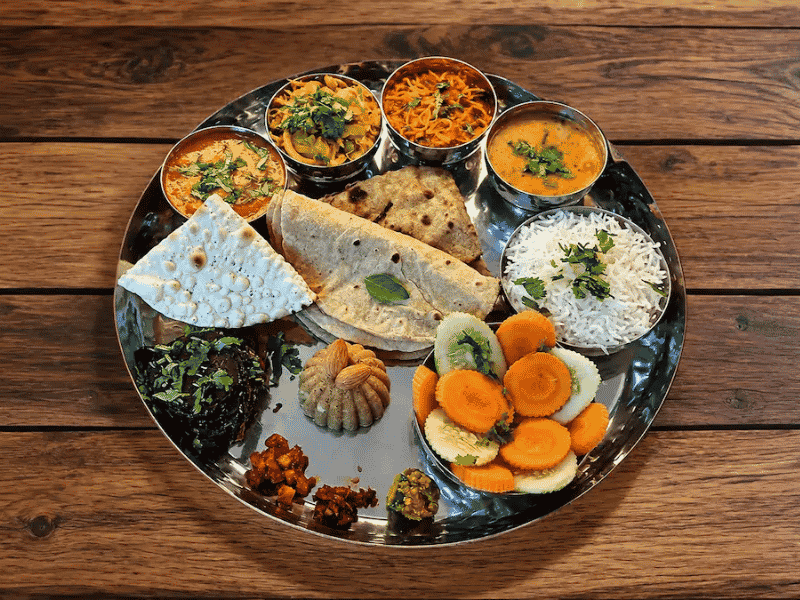
Navratri Fasting Diet Plan for Fitness Enthusiasts: How to Eat for Protein, Energy and Recovery
The biggest challenge of fasting during Navratri isn't necessarily skipping your usual meals. It's figuring out what to eat when your regular protein sources, meal timings and workout routine suddenly change.
One day, breakfast might be fruit and curd. Lunch could be kuttu parathas with paneer, while your usual post-workout meal becomes a question mark. And if you're trying to maintain muscle, lose fat or keep progressing in the gym, those small changes can add up.
The good news? You don't have to abandon your fitness routine for nine days. A practical Navratri fasting diet plan can work around your fasting traditions while keeping protein, calories, hydration and recovery in the picture.
The trick is to plan your meals around what you're permitted to eat, rather than trying to squeeze your usual diet into a different set of rules.
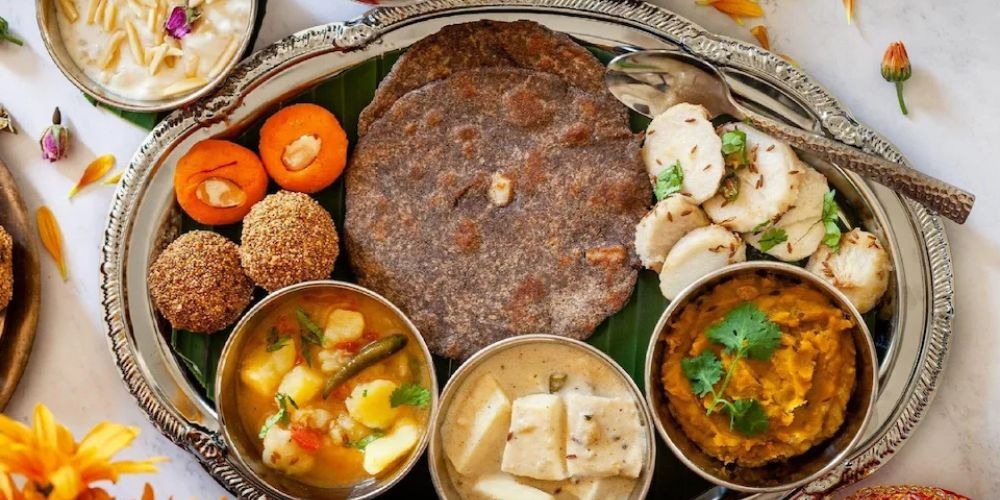
First, Understand What Your Navratri Fast Allows
There isn't one universal Navratri fasting diet. Some households permit milk, curd, paneer, nuts, fruits and specific flours, while others follow stricter rules. Certain families avoid grains and legumes, and ingredients such as onion, garlic and regular table salt may also be excluded.
Common vrat-friendly foods include:
- Protein sources: milk, curd, paneer, nuts and seeds, where permitted
- Energy sources: kuttu (buckwheat), singhara (water chestnut flour), rajgira (amaranth), samak rice, potatoes and sweet potatoes, according to your fasting rules
- Fruits and vegetables: bananas, apples, gourds and other permitted produce
- Convenient snacks: roasted makhana, peanuts or homemade paneer snacks, depending on your tradition
Notice what's missing from that list: the usual combination of dal, roti, rice, eggs and chicken that many gym-goers rely on.
That's why a high protein Navratri fasting diet requires a little more thought. Start by identifying your permitted foods, then build meals that include a protein source and enough energy to support your day.
A Practical Navratri Fasting Meal Plan for Gym-Goers
Here's a sample day for someone who permits dairy, selected fasting flours, fruits, nuts and seeds. Adjust portions to your appetite, training load and goals. The plan is a starting point, not a prescription for every person observing vrat.
| Meal | Suggested timing | What to eat |
|---|---|---|
| Breakfast | 8:00 AM | 200 g curd, 1 banana or apple, and 15-20 g almonds or peanuts, if permitted. |
| Lunch | 1:00 PM | 100 g paneer, 2 small kuttu or rajgira rotis, and 150 g curd or permitted vegetables. |
| Pre-workout snack | 4:00 PM | A banana or a small boiled sweet potato. Drink water if permitted. |
| Post-workout | 6:00 PM | A permitted whey protein shake or 250 ml milk. Add fruit if you need extra energy. QNT Prime Whey lists 25 g protein per serving. |
| Evening snack | 7:00 PM | 25-30 g roasted makhana or peanuts, with buttermilk if permitted. |
| Dinner | 8:30 PM | 150 g paneer or another permitted protein source, a moderate portion of samak rice or potato, and cooked vegetables or curd, according to your fasting rules. |
Important notes: Timings and portions are illustrative. Protein estimates depend on product labels, recipes and preparation methods. This sample is designed around a dairy-permitting fasting tradition; it may not suit people whose observance excludes dairy or supplements. Check that every ingredient - including whey protein - is permitted under your own Navratri fasting rules.
How Much Protein Do You Actually Need?
A useful starting point is to estimate your daily requirement rather than assume that one shake or one paneer meal will cover it.
The International Society of Sports Nutrition identifies approximately 1.4-2.0 g of protein per kg of body weight per day as sufficient for most healthy exercising individuals, although needs vary with training, calorie intake and individual circumstances. Read the ISSN position stand.
For example, a 60 kg person who trains regularly might use that range to discuss a daily target of approximately 84-120 g with a qualified nutrition professional. That's not a compulsory target for every gym-goer, nor does it mean everyone needs a high-protein supplement.
Your Navratri vrat diet plan for muscle maintenance should distribute protein across the meals you can eat, while providing enough total energy. If your permitted foods make that difficult, consider whether training volume should temporarily come down.
Adapt the Plan to Your Fitness Goal
A Navratri fasting diet plan for fitness enthusiasts should change with the person's goal - not simply remove food from the plate.
For muscle maintenance: Prioritise permitted protein sources at lunch and dinner, keep a useful carbohydrate source around training, and avoid unintentionally undereating. If your protein intake falls substantially, reducing training volume may be sensible.
For fat loss: Use moderate portions of energy-dense foods such as fried vrat snacks, nuts and added fats. Keep protein and meal quality in focus rather than skipping meals to create a larger calorie deficit.
For regular gym training: Schedule demanding sessions when you can eat and hydrate around them. If your fasting rules restrict intake significantly, choose lighter sessions, technique work or walking instead of pushing personal records.
What About Pre-Workout and Post-Workout Nutrition?
You don't need a complicated supplement schedule. A fruit or sweet potato before training can provide energy; a meal containing paneer, curd or another permitted protein source afterward can support recovery.
If you cannot eat or drink during a particular fast, avoid strenuous training during that period. Cleveland Clinic advises exercising when food and fluids are available where possible, and watching for signs of dehydration or heat illness. Read its guidance on working out while fasting.
Where QNT Protein Products Fit Into Your Fasting Routine
Food should remain the foundation of your meal plan. Supplements can help fill a protein gap, but only when they fit your dietary rules.
QNT Prime Whey Triple Blend Isolate Protein
QNT's product page lists 25 g protein per serving, with a triple blend of whey isolate, concentrate and hydrolysate. It can be a convenient post-workout option when permitted and when food alone doesn't meet your protein needs.
QNT Protein Joy 20g Protein Bar
A ready-to-eat snack offering 20 g protein per bar, according to the specified product range. It may be useful on busy days, but do not assume it is vrat-friendly. Check its complete ingredient list against your fasting rules, particularly the permitted status of its protein sources and other ingredients.
One important distinction: whey is milk-derived, but that doesn't automatically make a whey supplement acceptable during Navratri. Some people permit it; others avoid supplements or processed foods altogether. Follow your own observance rather than changing your rules around a product.
Your Daily Nutrition Checklist
Before calling your Navratri fasting meal plan complete, check four things:
- Protein: Have you included meaningful protein sources in your main meals?
- Calories: Are you eating enough to support daily activity and recovery, rather than relying on fruit and starch alone?
- Hydration: Drink water regularly when your fasting rules permit it, especially around exercise and in hot weather.
- Variety: Are you rotating permitted foods instead of relying on sabudana, potatoes and fried snacks at every meal?
If you have diabetes, kidney disease, a history of disordered eating or another condition affected by fasting, seek individual medical guidance before changing your diet or exercise routine.