The GLP-1 Boom Is Creating a Hidden Sarcopenia Crisis in India
Rapid weight loss may reduce more than body fat. Without adequate protein, resistance training and muscle-health monitoring, some GLP-1 users may also lose strength and lean tissue.
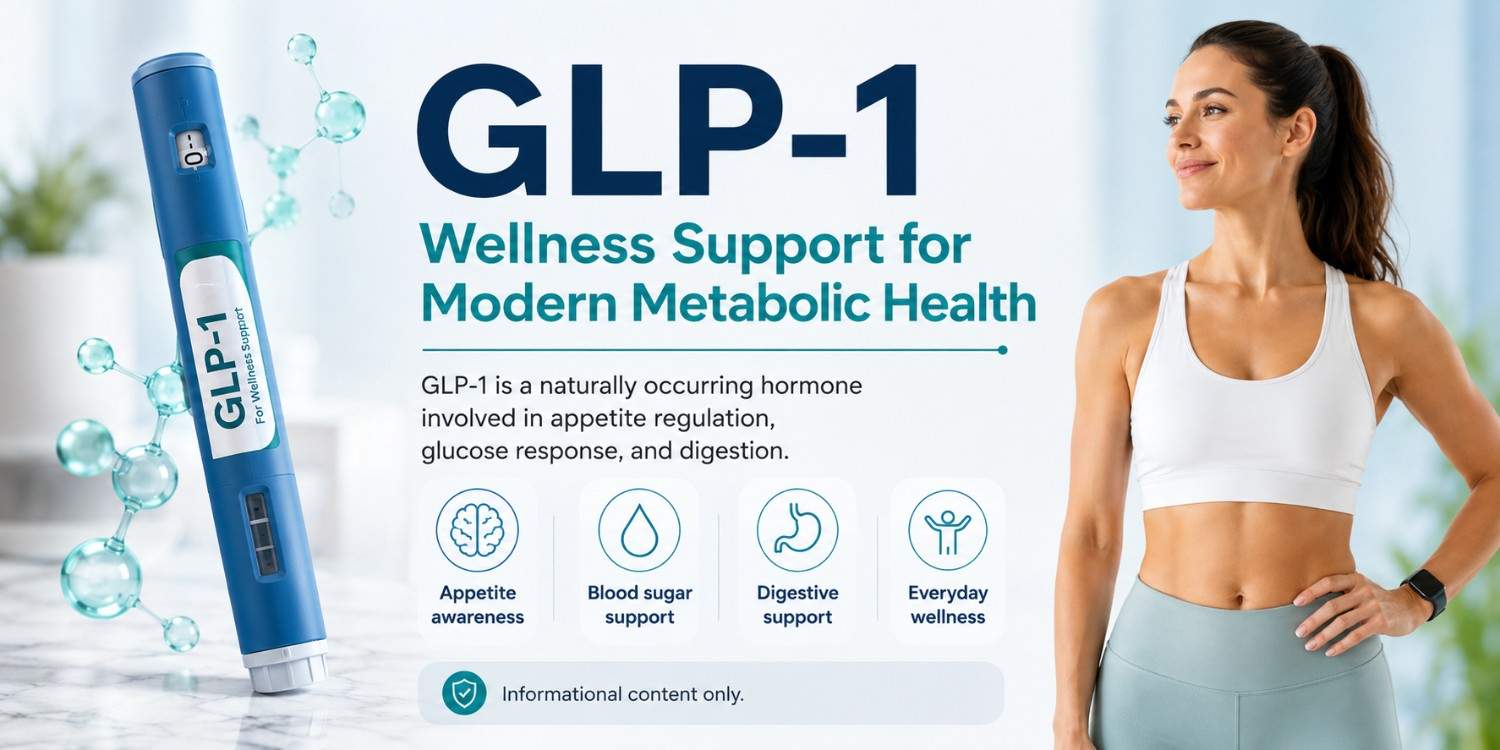
India’s GLP-1 Revolution Has a Blind Spot
GLP-1 medicines are transforming the way India approaches obesity and type 2 diabetes. Mounjaro, Wegovy, Ozempic and a growing range of semaglutide brands have moved from specialist clinics into mainstream health conversations.
Following the expiry of semaglutide’s Indian patent in March 2026, greater domestic competition was expected to make treatment more accessible. The opportunity is significant, but so is the responsibility.
While clinics and patients celebrate falling body weight and shrinking waistlines, one important measurement is often missing: how much strength and skeletal muscle is being preserved during that weight loss?
“India’s GLP-1 revolution cannot be judged only by kilograms lost.”
What Is Sarcopenia?
Sarcopenia is a progressive condition involving reduced muscle strength, muscle quantity or quality, and physical performance.
It is not simply about looking less muscular. A person can maintain a normal or elevated body weight while carrying excess body fat and too little functional muscle. This combination is often described as sarcopenic obesity.
Lean-Mass Loss Is Not Automatically Sarcopenia
Clinical trials often measure changes in lean body mass, but lean mass includes more than skeletal muscle. It can also reflect body water, organs, connective tissue and other fat-free components.
A reduction in lean mass therefore does not automatically confirm sarcopenia. Sarcopenia is a clinical condition that also considers strength and physical performance.
| Measurement | What It Shows | What It Cannot Confirm Alone |
|---|---|---|
| Body weight | Total kilograms gained or lost | Whether the loss came from fat, water or muscle |
| Lean body mass | Changes in non-fat body components | A clinical diagnosis of sarcopenia |
| Grip strength | Practical indication of muscular strength | Complete body composition |
| Functional testing | Mobility, balance and physical performance | Exact muscle quantity without additional testing |
The Responsible Conclusion
Current research does not prove that GLP-1 medicines directly cause sarcopenia in every patient.
Rapid weight loss, inadequate protein and inactivity can increase concern about lean-tissue and strength loss.
Muscle preservation should be included in GLP-1 treatment planning from the beginning.
Why India May Be Especially Vulnerable
India is not entering the GLP-1 era with perfect baseline muscle health. Existing patterns of low physical activity, uneven protein intake, diabetes and undiagnosed muscle weakness may leave some patients more vulnerable.
Low Baseline Muscle Reserves
Older adults, sedentary professionals and people with repeated restrictive dieting may begin treatment with relatively low muscle strength or quantity.
Uneven Protein Intake
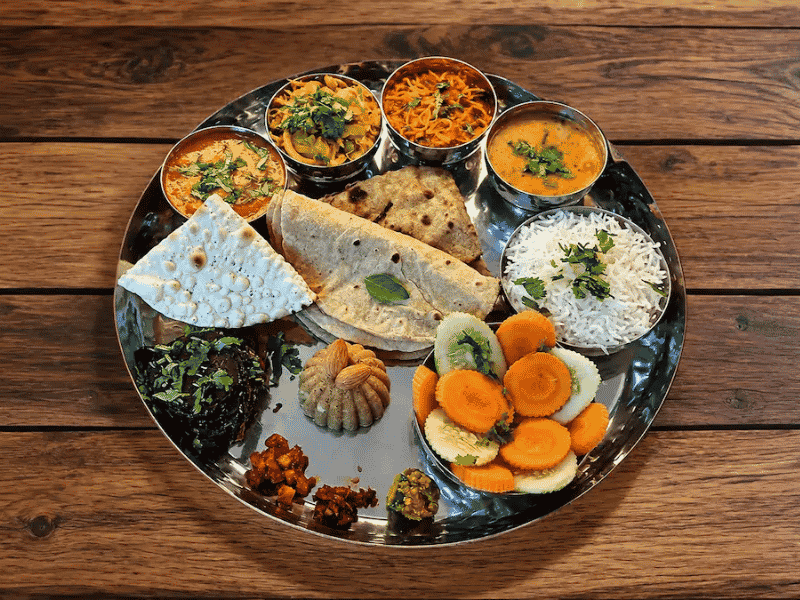
Many Indian diets contain good protein foods, but the total quantity and distribution across meals may be inadequate.
Diabetes and Muscle Risk
Many GLP-1 users already have type 2 diabetes, a condition that can overlap with reduced muscle strength and sarcopenia risk.
Scale-Only Monitoring
Clinics may track body weight, BMI and blood sugar without measuring grip strength, mobility or resistance-training performance.
How Appetite Suppression Can Become a Muscle Problem
GLP-1 medicines can reduce hunger, increase fullness and slow gastric emptying. This can support a calorie deficit, but it can also make protein-rich meals feel difficult to finish.
Who Faces the Greatest Risk?
Warning Signs That Muscle May Be Declining
- Difficulty rising from a low chair
- Slower walking speed
- Difficulty climbing stairs
- Greater fatigue during routine tasks
- Loss of balance or repeated falls
- A noticeably weaker grip
- Reduced gym performance
- Previously manageable weights feel difficult
- Thinner arms or legs
- Feeling weaker despite losing weight
The Scale Is Not Enough: What Should Be Monitored?
Before or Soon After Starting Treatment
- Body weight and waist circumference
- Usual food and protein intake
- Grip strength where available
- Ability to rise from a chair
- Walking speed and mobility
- Current resistance-training performance
- Relevant blood tests and medical conditions
During Treatment
- Rate of weight loss
- Strength and functional ability
- Changes in physical activity
- Food tolerance and protein intake
- Hydration
- Persistent gastrointestinal symptoms
- Ability to perform familiar tasks
Body-composition tools such as DXA or validated bioelectrical impedance may provide additional information, but they should be interpreted alongside strength and physical function rather than used alone.
How to Protect Muscle During GLP-1 Weight Loss
No single food, supplement or exercise can guarantee complete muscle preservation. A coordinated strategy is more effective.
Make Protein a Priority
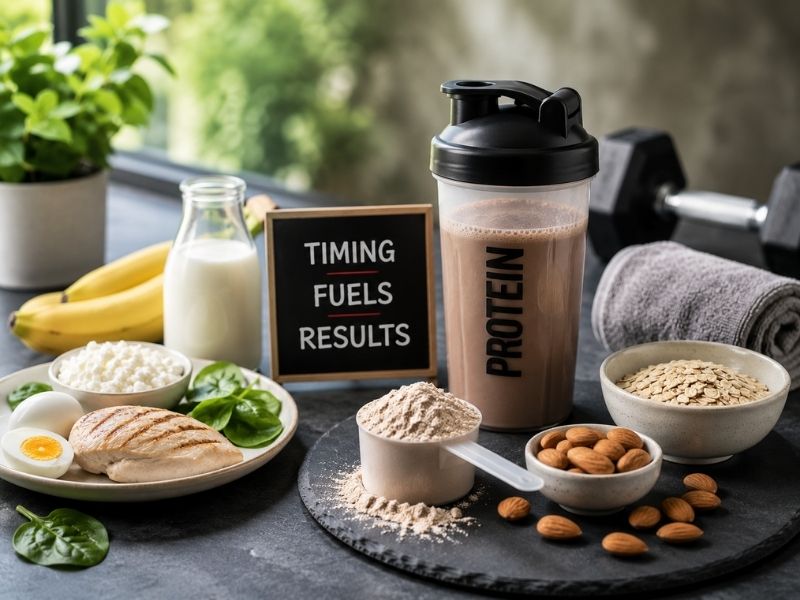
Distribute protein across the day and consume the protein portion before filling up on lower-protein foods when appetite is limited.
Include Resistance Training
Walking supports cardiovascular health, but progressive resistance exercise gives the body a stronger reason to preserve functional muscle.
Avoid Extreme Calorie Restriction
An unnecessarily severe diet may increase fatigue, reduce training capacity and make protein targets harder to achieve.
Treat Persistent Side Effects
Ongoing nausea, vomiting, diarrhoea or severe constipation can interfere with nutrition and should be reviewed by the prescribing clinician.
Use Protein Supplements for Convenience, Not as a Cure
A whey isolate or suitable plant-protein supplement may provide a compact and predictable protein serving, but it cannot replace resistance training, sufficient total nutrition or clinical monitoring.
Practical Protein Sources for Indian Diets
India Needs a Muscle-First GLP-1 Framework
The growth of GLP-1 treatment is not the problem. These medicines may provide clinically meaningful benefits for appropriate patients. The problem is a culture that treats lower scale weight as the only outcome that matters.
“A person should not finish a weight-loss programme lighter, weaker and more dependent than when they began.”
Frequently Asked Questions
Do GLP-1 medicines always cause muscle loss?
No. Weight loss may include some lean tissue, but the amount varies. Diet, exercise, age, health status and the rate of weight loss can influence the outcome.
Is lean-mass loss the same as sarcopenia?
No. Sarcopenia also involves reduced strength or physical performance. A body-composition scan alone cannot provide a complete diagnosis.
Is walking enough to protect muscle?
Walking is valuable for cardiovascular health and mobility, but progressive resistance training generally provides a stronger muscle-preserving stimulus.
Can protein powder prevent sarcopenia?
Protein powder may help someone meet their protein needs, but it cannot prevent or treat sarcopenia by itself. Resistance training, adequate energy and clinical monitoring remain important.
Who should be screened most carefully?
Older adults, sedentary people, patients with diabetes, those losing weight rapidly and anyone experiencing weakness or mobility decline deserve closer monitoring.
What should someone do if their strength is declining?
They should speak with their prescribing clinician or another qualified healthcare professional. Medication tolerance, calorie intake, protein intake and exercise may need to be reviewed.
The Real Goal Is Better Body Composition, Not Just a Smaller Body
GLP-1 medicines are changing obesity care in India faster than the country’s nutrition and fitness systems are adapting.
The hidden risk is not that every user will develop sarcopenia. The risk is that people may lose substantial weight without anyone checking whether they are also losing strength, mobility and physical resilience.
Responsible GLP-1 care should combine medical supervision with protein-conscious nutrition, progressive resistance training, symptom management and regular muscle-health assessment. India does not need to choose between effective weight management and strong muscles. Treatment plans should protect both.
References
- Reuters: Semaglutide patent expiry and the Indian GLP-1 market
- Indian clinical consensus on sarcopenia screening and management
- GLP-1 therapies, skeletal muscle and physical function
- Systematic review of weight loss and lean-mass changes
- Review of GLP-1 therapy, body composition and sarcopenia risk
- Sarcopenia prevalence and risk factors among middle-aged Indians
- ICMR–National Institute of Nutrition guidance on protein requirements
- Sarcopenia prevalence among Asian adults with type 2 diabetes
- Clinical advisory on nutrition and lifestyle support during GLP-1 treatment
Medical Disclaimer
This article is intended for general educational purposes only and does not replace professional medical advice, diagnosis or treatment. GLP-1 and GIP/GLP-1 medicines are prescription treatments and should only be used under qualified medical supervision. Consult a healthcare professional before changing medication, protein intake, exercise or supplement use.