What Is the Most Sustainable Way to Lose Weight?
Build a routine around a manageable calorie deficit, protein-rich meals, strength training, aerobic activity, more daily movement and simple progress tracking. No supplement, food or workout can independently guarantee permanent weight loss—the complete routine matters.
Key Takeaways
Why Is Maintaining Weight Loss So Difficult?
Losing weight is often easier than maintaining the result. A restrictive diet may reduce scale weight for several weeks, but hunger, fatigue and social limitations can make the routine difficult to continue.
Long-term weight management is more realistic when eating habits, activity and daily routines remain practical after the initial motivation fades.
The following strategies address three common barriers: uncontrolled hunger, inconsistent exercise and difficulty maintaining new habits.
“Consistency is not doing everything perfectly. It is returning to the routine often enough for your average behaviour to improve.”
Tip 1: Create a Calorie Deficit Without Eating as Little as Possible
Weight decreases when average calorie intake remains below average energy expenditure over time. However, the deficit should not leave you constantly hungry, weak or unable to train.
Start by improving familiar meals rather than immediately removing complete food groups.
Does Eating More Protein Help With Weight Loss?
Protein does not directly burn stored fat. It may support weight management by improving fullness and helping preserve lean tissue during a calorie-controlled diet.
The effect varies between people, so protein should be treated as one part of the complete eating plan rather than a shortcut.
| Protein category | Examples | Easy use |
|---|---|---|
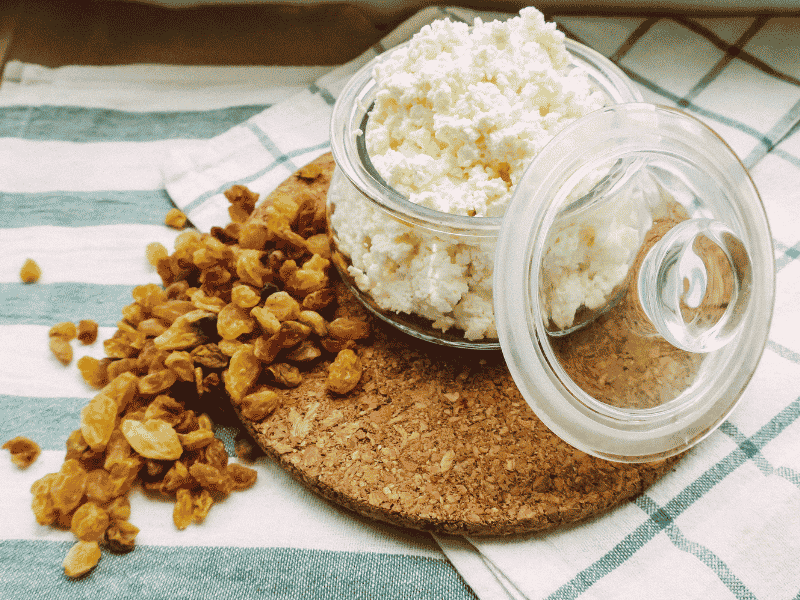
| Dairy | Paneer, curd, milk and Greek yoghurt | Breakfast, snacks or main meals |
| Soya foods | Tofu, tempeh and soya chunks | Curries, wraps and stir-fries |
| Pulses | Dal, chickpeas, rajma and peas | Bowls, curries and mixed meals |
| Animal foods | Eggs, fish and lean meat | Breakfast, lunch or dinner |
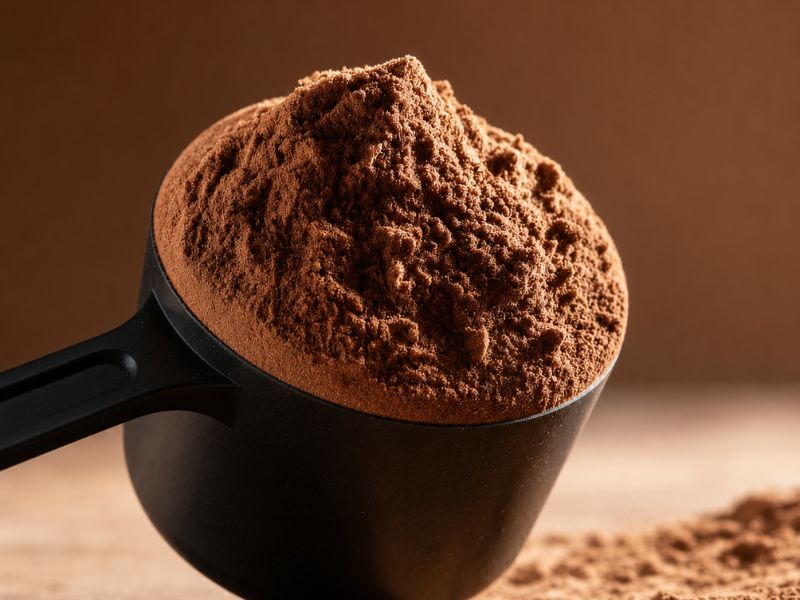
| Convenient supplements | Whey or plant protein powder | When suitable food is unavailable |
When Can a Protein Supplement Be Useful?
A protein supplement may help when regular meals repeatedly fall short, cooking time is limited or a convenient post-workout option is needed.
QNT Iso Ripped Whey Isolate
QNT Iso Ripped can be considered by active adults who need help covering a dietary protein gap. The range includes flavour options such as Café Bevarabia and Kesar Malai Kulfi.
Use it after training or between meals when a suitable protein-rich food is unavailable.
What It Should Not Replace
- Balanced meals
- Fruit and vegetables
- Whole-food carbohydrate sources
- A calorie-controlled eating plan
- Resistance and aerobic exercise
Tip 2: Combine Strength Training, Cardio and Daily Movement
Exercise supports weight management, but relying only on exhausting cardio can make a routine difficult to maintain. A balanced plan includes three components.
Strength training
Helps protect strength and lean tissue during a calorie-controlled programme.
Cardiovascular activity
Supports fitness and energy expenditure through walking, cycling, swimming or running.
Daily movement
Adds activity through walking, stairs and movement breaks outside formal workouts.
Which Strength Exercises Support Weight Loss?
Begin with two or three weekly sessions and progress gradually through better technique, additional repetitions or more resistance.
How Much Cardio and Daily Movement Do You Need?
| Activity type | General weekly guidance | Beginner approach |
|---|---|---|
| Moderate aerobic activity | Approximately 150–300 minutes | Start with short walks and build gradually |
| Vigorous aerobic activity | Approximately 75–150 minutes | Add only when fitness and recovery allow |
| Strength training | At least two days | Use simple full-body sessions |
Tip 3: Build Habits That Work When Motivation Is Low
Motivation can help you begin, but systems make healthy behaviour easier to repeat. Select actions that are clear, measurable and connected to an existing routine.
Choose
Select one specific behaviour that can be measured.
Attach
Connect it to a routine that already happens each day.
Track
Record the behaviour often enough to identify patterns.
Adjust
Change one variable when the routine stops working.
Practical Habit Examples
What Should You Do When Weight Loss Stops?
A few days without scale movement is not necessarily a plateau. Water retention, sodium, carbohydrate intake, digestion and hormonal changes can temporarily affect body weight.
Review at least two to four weeks of progress before making a major change.
Sustainable Weight Loss Checklist
Frequently Asked Questions
Is whey protein necessary for weight loss?
No. Whey is a convenient protein source, not a requirement or fat-burning product. Use it only when regular food does not conveniently provide enough protein.
Can I lose weight without giving up carbohydrates?
Yes. Carbohydrate foods can remain in a calorie-controlled diet. Portions, food quality and total calorie intake matter more than completely removing one nutrient group.
Is cardio or strength training better for fat loss?
Both can contribute. Cardio supports activity and cardiovascular fitness, while strength training helps protect strength and lean tissue. A combined approach is generally more practical.
Can I use QNT Iso Ripped without exercising?
It can provide dietary protein, but it will not independently cause weight loss. Its usefulness depends on whether it fills a genuine protein gap within an appropriate eating plan.
How quickly should weight loss happen?
The suitable rate differs between individuals. A slower approach may be easier to maintain when it protects energy, training performance and meal satisfaction.
Why does body weight change from one day to the next?
Daily changes may reflect water, sodium, carbohydrate intake, digestion and hormonal factors rather than an immediate increase or decrease in body fat.
Final Word
Sustainable weight loss is not built through extreme restriction or punishing daily workouts.
Create a manageable calorie deficit, include a protein source in each main meal, combine strength training with aerobic activity and make healthy behaviours easier to repeat.
A whey isolate such as QNT Iso Ripped can support protein intake when food is inconvenient, but it should complement—not replace—a balanced diet.
References
- National Institute of Diabetes and Digestive and Kidney Diseases: Healthy Eating and Physical Activity for Weight Management
- Research review on higher-protein diets and weight management
- Resistance exercise during dietary weight loss
- World Health Organization: Physical Activity Guidance
- Digital self-monitoring in behavioural weight-loss interventions
- QNT Iso Ripped Whey Isolate product information