Rice can remain part of a weight-loss diet. Learn how portion size, protein, vegetables, cooking methods and total calorie intake determine whether a rice-based meal supports your goal.
Yes. Rice can fit into a weight-loss diet when the serving suits your calorie needs. Weight gain is more closely connected to consistently consuming more energy than the body uses—not to eating rice at a particular meal.
Key Takeaways
Rice does not automatically cause weight gain.Total calorie intake and consistency matter more.
Portion size changes the meal.Large bowls and repeated servings can add calories quickly.
Add a meaningful protein source.Protein supports muscle maintenance and makes meals more substantial.
Vegetables add volume.They can replace part of an oversized rice portion.
White rice is not automatically fattening.Both white and brown rice depend on portion and preparation.
Cooking oil deserves attention.Oil, ghee and rich sauces may add more calories than expected.
Why Is Rice Blamed for Weight Gain?
Rice is often one of the first foods removed from a weight-loss plan. It is blamed for belly fat, blood-sugar changes and slow progress, while products labelled low carb or diet-friendly are treated as automatically better.
The reality is more practical: rice does not automatically cause weight gain, and removing it does not guarantee weight loss.
Overall calorie intake, portion size, meal composition, activity level and consistency matter more than whether rice appears on the plate.
“Rice is rarely the entire problem. Oversized servings, calorie-dense additions and repeated portions usually matter more.”
When Does a Rice Meal Become Too Calorie-Dense?
Rice provides calories, but so do oils, sauces, desserts, drinks and side dishes. The meal becomes harder to manage when a large rice portion is combined with several calorie-dense additions.
Calorie-dense curries
Large amounts of oil, butter or ghee
Fried side dishes
Sugary drinks
Very little protein
Few vegetables
Second or third servings
Why Does Portion Size Matter So Much?
People generally eat more when larger amounts are served. A review of controlled feeding trials associated larger portions with approximately 295 additional calories of daily intake, although the exact long-term effect on body weight was uncertain.
Rice-specific research has also found that using a smaller bowl can act as a visual cue. In one 12-week trial involving 42 women with obesity and type 2 diabetes, the smaller-bowl group reduced energy intake more than comparison groups while also receiving calorie-reduction guidance.
How Should You Build a Weight-Loss Meal With Rice?
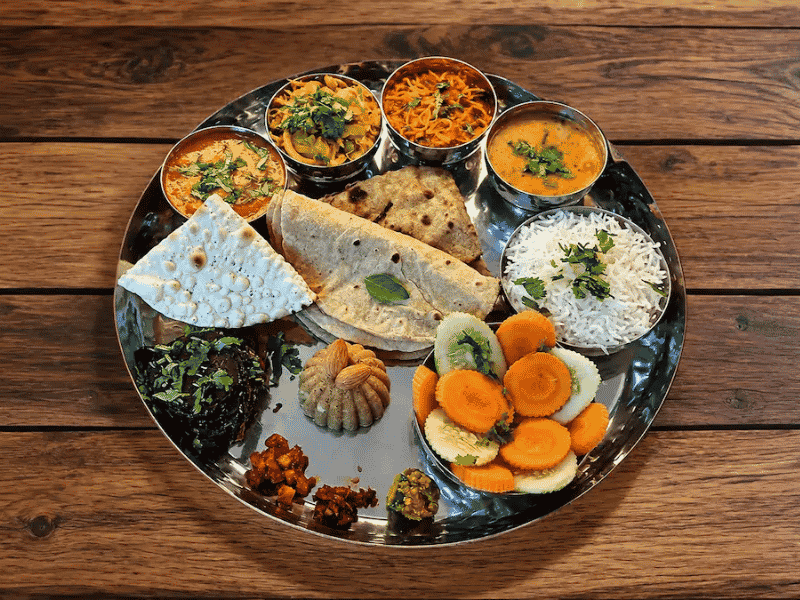
Plain rice contains mostly carbohydrate. A balanced plate combines a controlled rice serving with protein and vegetables.
1
Control the rice portion
Serve enough for your activity level without allowing rice to dominate the plate.
2
Add protein
Include dal, beans, paneer, tofu, eggs, yoghurt, fish, chicken or soya chunks.
3
Increase vegetables
Vegetables add fibre, nutrients and food volume without dominating the calorie total.
Which Protein Foods Pair Well With Rice?
Dal or beansConvenient plant-based options.
Paneer or tofuUseful for vegetarian meals.
EggsEasy to prepare and portion.
YoghurtAdds protein when tolerated.
Fish or chickenChoose appropriately cooked portions.
Soya chunksA concentrated vegetarian choice.
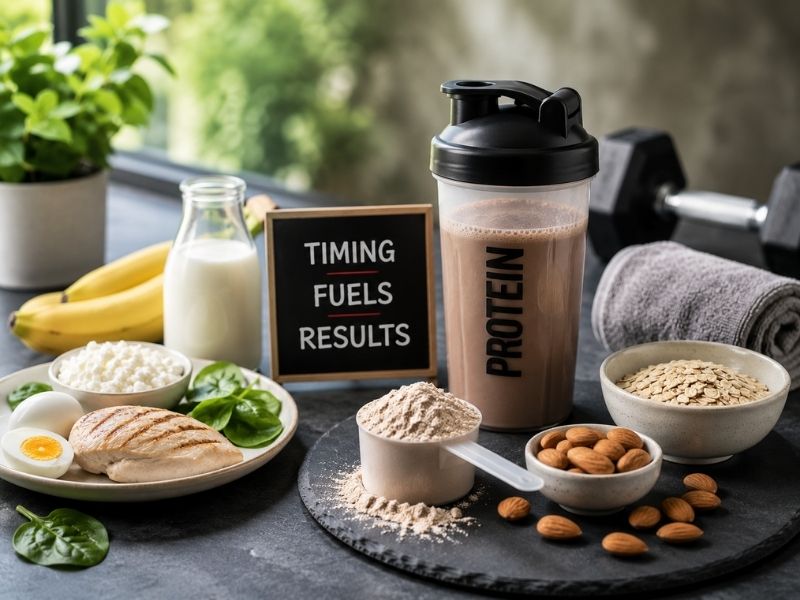
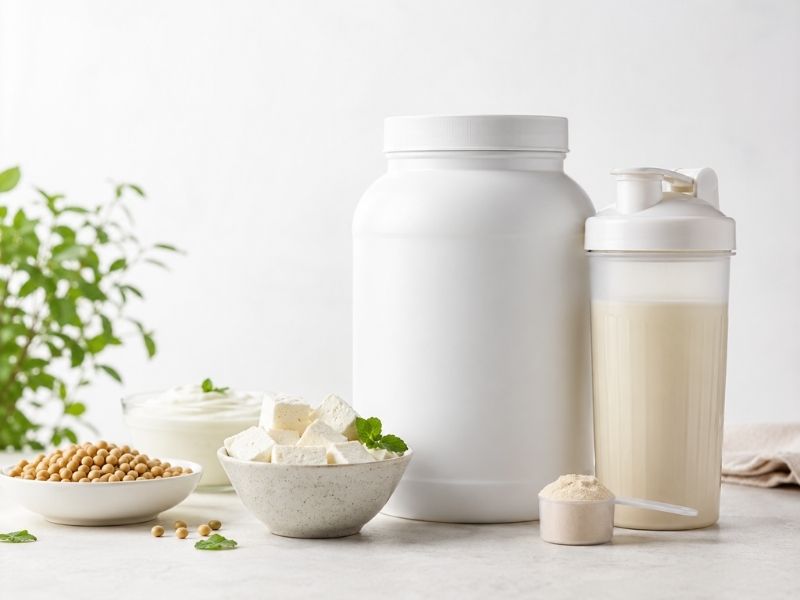
When regular meals do not cover protein requirements, an appropriately selected protein supplement may provide convenience. It should complement balanced meals rather than replace them.
Is Brown Rice Better Than White Rice for Weight Loss?
Brown rice retains more of the grain’s outer layers and generally provides more fibre than polished white rice. However, brown rice is not a fat-burning food, and white rice is not automatically fattening.
Factor
White rice
Brown rice
Texture
Softer and lighter
Firmer and chewier
Fibre
Usually lower
Usually higher
Digestion
Often easier for some people
May feel more filling
Weight-loss value
Depends on portion and meal
Depends on portion and meal
Choose the type you enjoy and digest comfortably. A controlled serving of white rice with dal and vegetables may fit your plan better than an oversized serving of brown rice prepared with excessive oil.
Does the Cooking Method Change the Meal?
Yes. Plain steamed rice and restaurant-style fried rice are not nutritionally identical. Preparation methods and accompanying ingredients can change the calorie content substantially.
Large quantities of oil or ghee
Creamy sauces
Fried toppings
Processed meats
Sugar-heavy sauces
Oversized restaurant portions
Practical Ways to Control Rice Portions
1
Use a smaller bowl
Create a clear visual limit instead of eating from a large container.
2
Plate the meal once
Keep the serving dish away from the table to reduce automatic refills.
3
Add protein first
Make the meal more substantial before increasing the rice portion.
4
Increase vegetables
Replace part of the rice serving while maintaining food volume.
5
Measure cooking oil
Use a spoon instead of pouring oil directly into the pan.
6
Review the full day
Include drinks, snacks, desserts and weekend meals in your assessment.
Frequently Asked Questions
Can I eat white rice every day while losing weight?
White rice can fit into a weight-loss plan when portions, cooking methods and the rest of the diet remain aligned with your calorie and nutrient needs.
How much rice should I eat for weight loss?
There is no universal serving. The suitable amount depends on body size, activity, total calorie requirements and what else is included in the meal.
Does eating rice at night cause weight gain?
Rice does not become uniquely fattening at night. Total calorie intake over time matters more than the clock, although large late meals may cause discomfort for some people.
Is brown rice compulsory for weight loss?
No. Brown rice generally provides more fibre, but a controlled serving of white rice can also fit into a balanced calorie-controlled meal.
Should I stop eating biryani during weight loss?
It does not need to be permanently banned. Control the portion, treat it as a complete meal and limit additional fried or calorie-dense sides.
Final Thoughts
Rice does not ruin weight loss. Unplanned portions and a consistently high overall calorie intake are the larger concerns.
You do not need to fear carbohydrates or remove familiar foods to make progress. Serve a reasonable amount of rice, add a substantial protein source, include vegetables and pay attention to cooking oils, sauces and repeat servings.
A sustainable plan should help control calories while preserving foods you enjoy. When rice fits your culture and routine, learning to portion it is usually more realistic than banning it completely.