What Is the Quick Answer?
To gain muscle without excessive fat, combine progressive resistance training with sufficient protein, training-supportive carbohydrates, healthy fats and a small or moderate calorie surplus. Track strength, body weight and waist measurements, then adjust food intake gradually.
Key Takeaways
How Does Nutrition Support Lean Muscle Gain?
Building muscle requires more than increasing food intake. You need progressive resistance training, sufficient calories, protein, carbohydrates, dietary fats and adequate recovery.
The goal is not to eat as much as possible. It is to provide enough nutrition to improve training performance and support muscle growth without creating unnecessary fat gain.
A practical muscle-building diet prioritises nutrient-dense foods, manageable portions and a plan that can be followed consistently.
“Muscle gain comes from productive training supported by enough nutrition—not from uncontrolled eating.”
What Is the Best Diet for Muscle Gain?
The best muscle gain diet provides enough energy and nutrients while remaining practical, enjoyable and easy to digest.
How Much Protein Do You Need to Build Muscle?
Approximately 1.6 grams of protein per kilogram of body weight per day may be sufficient for many resistance-trained adults.
Some people may use up to around 2.2 grams per kilogram, particularly during intense training, calorie restriction or a primarily plant-based diet. Consuming more does not automatically produce faster growth.
| Protein category | Examples | Practical use |
|---|---|---|
| Animal proteins | Eggs, dairy, fish and lean meat | Complete protein options for meals |
| Vegetarian proteins | Tofu, tempeh, soya chunks and paneer | Useful main-meal protein sources |
| Pulses | Lentils, chickpeas, beans and peas | Provide protein, carbohydrates and fibre |
| Convenient options | Greek yoghurt, curd, whey or plant protein | Help fill gaps when whole-food intake is difficult |
Do You Need Five or Six Meals Per Day?
No. Eating five or six times daily is not compulsory for muscle gain. Total calorie and protein intake matter more than following one rigid meal frequency.
Three main meals and one or two snacks can work well when each eating occasion contains a meaningful protein source.
Fewer, larger meals
Suitable for people who prefer three main meals and can comfortably meet their calorie and protein needs.
More frequent meals
Useful when calorie requirements are high or large meals cause discomfort.
Which Carbohydrates Support Muscle Growth?
Carbohydrates provide energy for resistance training and help replenish muscle glycogen after demanding sessions. Requirements increase as training frequency and volume rise.
Are Healthy Fats Important for Muscle Gain?
Yes. Dietary fats provide energy, support overall health and help the body absorb fat-soluble vitamins. Because fats are calorie-dense, portions should be monitored during a controlled muscle-gain phase.
How Large Should Your Calorie Surplus Be?
There is no scientifically established calorie surplus that is perfect for every person. Starting around 300–500 calories above daily needs may be practical, but some people may need a smaller adjustment.
Begin conservatively and increase or reduce calories according to progress rather than relying on a fixed calculator result.
Estimate needs
Start from your current maintenance intake.
Add gradually
Use a small or moderate increase rather than an extreme bulk.
Track progress
Review average weight, waist size and gym performance.
Adjust intake
Change calories slowly when trends are too fast or too slow.
What Should You Monitor?
What Should You Eat Before and After Training?
Before training
Choose carbohydrates and protein that you digest comfortably.
- Oats with yoghurt
- Banana with a protein shake
- Rice with tofu or lean protein
After training
Eat a balanced meal containing protein and carbohydrates within the next few hours.
- Rice with paneer, tofu, fish or chicken
- Potatoes with eggs and vegetables
- Protein shake with fruit when convenient
What Does a Simple Muscle-Building Day Look Like?
| Meal | Example | Main purpose |
|---|---|---|
| Breakfast | Oats, milk or soya milk, fruit and Greek yoghurt | Protein and sustained energy |
| Lunch | Rice or quinoa, lentils or lean protein, vegetables and olive oil | Balanced calories and nutrients |
| Pre-workout | Banana with yoghurt or a protein shake | Training fuel and protein |
| Dinner | Potatoes or rice, tofu, paneer, fish or chicken, plus vegetables | Recovery and daily protein |
| Optional snack | Curd, nuts, fruit or a homemade protein smoothie | Convenient extra calories |
Do Supplements Build Muscle Faster?
Supplements cannot replace sufficient food, progressive training or recovery. They are most useful when they solve a practical problem.
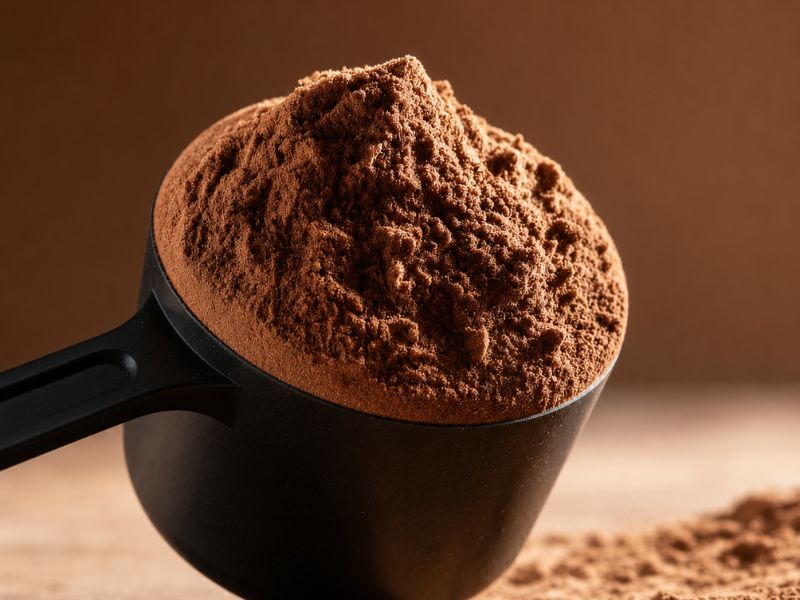
Protein powder
Provides a convenient way to increase daily protein when whole-food meals are not practical.
Creatine monohydrate
May support resistance-training performance, strength and repeated high-intensity effort.
Frequently Asked Questions
Can you gain muscle without gaining any fat?
It may be possible, especially for beginners, but some fat gain can occur during a calorie surplus. A slower and carefully monitored approach can help limit it.
Is whey protein necessary for muscle gain?
No. Whey is a convenient protein source, but whole foods and well-planned vegetarian or vegan diets can also meet daily protein requirements.
Is rice good for building muscle?
Rice provides carbohydrates that can support training and recovery. It contributes to muscle gain only as part of a complete diet and resistance-training programme.
How important is sleep for muscle growth?
Sleep supports training quality, recovery and consistency. Insufficient sleep can reduce certain measures of strength, power and muscular endurance.
How quickly should body weight increase during muscle gain?
There is no perfect rate for everyone. Weight should increase gradually enough that strength and performance improve without a rapid increase in waist size.
Can vegetarians build muscle effectively?
Yes. Dairy, soya, tofu, tempeh, paneer, pulses and plant protein powders can provide sufficient protein when total intake and food variety are planned properly.
Final Word
The best muscle gain diet is not an extreme bulk. Eat sufficient protein, fuel training with carbohydrates, include healthy fats and use a controlled calorie surplus.
Track progress over several weeks instead of reacting to one weigh-in. When strength improves, body weight rises gradually and waist growth remains controlled, your nutrition plan is likely moving in the right direction.