What Is the Quick Answer?
Women who regularly perform resistance training can generally aim for approximately 1.4–2.2 grams of protein per kilogram of body weight per day. Around 1.6 grams per kilogram is a practical starting point for many women seeking muscle growth.
Key Takeaways
Why Do Women Need Protein for Muscle Growth?
Resistance training challenges muscle tissue and creates a stimulus for repair and adaptation. Dietary protein supplies the amino acids used during this rebuilding process.
Protein alone cannot create significant muscle growth. It works most effectively when combined with progressive strength training, enough calories and appropriate recovery.
“Protein supplies the building materials, but progressive resistance training provides the signal to build muscle.”
How Much Protein Should a Woman Eat Per Day?
A practical target depends on body weight, training demands and goals. The table below shows estimated daily ranges using approximately 1.4–2.2 grams per kilogram.
| Body weight | Practical starting target | Approximate daily range |
|---|---|---|
| 50 kg | Around 80 g | 70–110 g |
| 60 kg | Around 96 g | 84–132 g |
| 70 kg | Around 112 g | 98–154 g |
| 80 kg | Around 128 g | 112–176 g |
Do Women Need Less Protein Than Men?
Not necessarily when protein is calculated relative to body weight. Men may eat more total protein because they are often larger and carry more lean mass.
An active woman may still require a similar number of grams per kilogram as an active man completing comparable resistance training.
What Is the Best Protein for Women?
There is no single protein source that is best for every woman. The right choice depends on food preferences, digestion, allergies, budget and the rest of the diet.
| Category | Examples | Practical benefit |
|---|---|---|
| Dairy and eggs | Milk, yoghurt, paneer and eggs | Convenient complete-protein options |
| Meat and fish | Fish, chicken and lean meat | Protein-rich choices for main meals |
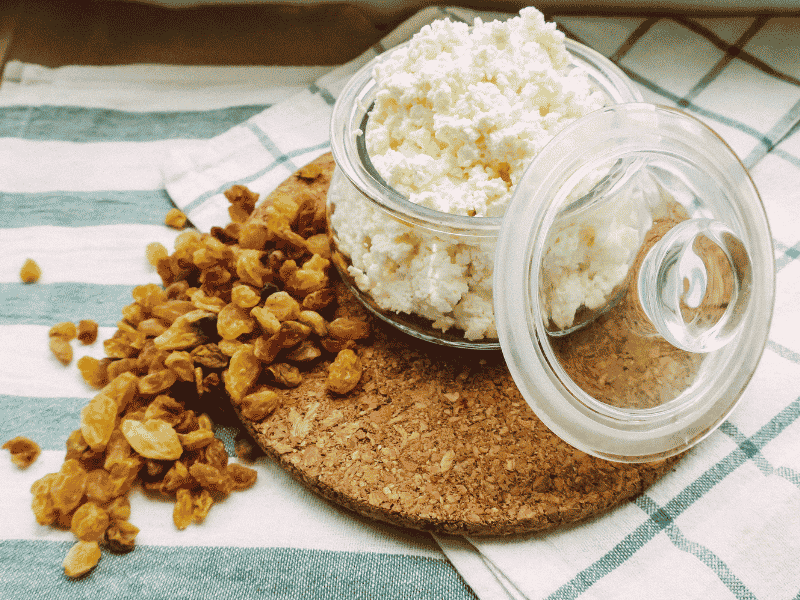
| Soya foods | Tofu, tempeh and soya chunks | High-quality vegetarian protein |
| Pulses | Lentils, beans, peas and chickpeas | Protein combined with fibre and carbohydrates |
| Protein powders | Whey, soy, pea or blended plant protein | Portable support when meals are not convenient |
Is Whey Protein Necessary for Women?
No. Whey protein is convenient, but it is not compulsory. It can help when daily protein targets are difficult to meet through meals or when a portable post-workout option is needed.
When whey may help
- Protein intake is consistently low
- A portable option is needed
- Appetite is limited after training
- Meal preparation is difficult
What whey cannot replace
- Progressive resistance training
- Adequate total calories
- Fruit and vegetables
- Carbohydrates, fats and micronutrients
Should Women Drink Protein Immediately After a Workout?
There is no need to panic about a strict 30-minute anabolic window. Eating protein near a workout is practical, but total daily intake remains the more important priority.
A useful approach is to consume a protein-containing meal or shake within a few hours before or after training.
How Should Protein Be Distributed Across the Day?
Instead of eating most of the day’s protein at dinner, distribute moderate servings across three to five eating occasions.
Breakfast
Eggs, yoghurt, tofu or a protein smoothie.
Lunch
Lentils, paneer, soy, fish or lean meat.
Snack
Yoghurt, roasted chickpeas or a protein shake.
Dinner
Tofu, beans, eggs, fish or lean meat.
Do Protein Needs Change After Menopause?
They may. Ageing and menopause can be accompanied by changes in muscle mass, strength and body composition.
Active peri- or postmenopausal women may benefit from using the upper part of an appropriate protein range, particularly when resistance training is performed consistently.
Protein supports recovery
Adequate intake provides amino acids needed to maintain and repair muscle tissue.
Strength training provides the stimulus
Protein supplements are most useful when combined with a progressive exercise programme.
What Protein Mistakes Should Women Avoid?
Frequently Asked Questions
Is 100 grams of protein enough for a woman to build muscle?
It may be sufficient for some women, depending on body weight and training. For example, 100 grams equals approximately 1.67 grams per kilogram for a 60-kilogram woman.
Can women build muscle without protein powder?
Yes. Eggs, dairy, soy, pulses, fish and lean meat can provide sufficient protein. Powder is mainly a convenient option.
Is whey protein safe for women?
Whey is a milk-derived food supplement used by both women and men. People with milk allergies, digestive problems or medical conditions should choose an appropriate alternative or seek personalised advice.
Does eating more protein automatically build more muscle?
No. Once protein needs are met, additional intake does not automatically create faster muscle growth. Training quality, calories and recovery still matter.
Can vegetarian women get enough protein?
Yes. Dairy, paneer, tofu, tempeh, soya chunks, lentils, chickpeas and plant protein powders can support an effective high-protein diet.
Should protein intake be higher during fat loss?
A higher intake within an appropriate range may help preserve lean mass during a calorie deficit, particularly when combined with strength training.
Final Word
The best protein plan for women is not a gendered supplement or an extreme high-protein diet.
A practical approach is to begin around 1.4–2.0 grams per kilogram per day, using the higher end of the wider range only when training demands and individual needs justify it.
Spread protein across regular meals and combine it with progressive resistance training, sufficient calories, carbohydrates, healthy fats and recovery. Consistency will influence muscle growth more than whether protein comes from a meal or a shaker.
References
- International Society of Sports Nutrition Position Stand on Female Athletes
- Resistance Training, Strength and Muscle Growth in Women
- Protein Supplementation and Resistance-Training Adaptations
- Protein Timing and Long-Term Muscle Adaptation
- Exercise and Nutrition in Perimenopausal and Postmenopausal Women
- Whey Protein and Resistance Training in Postmenopausal Women