Key Takeaways
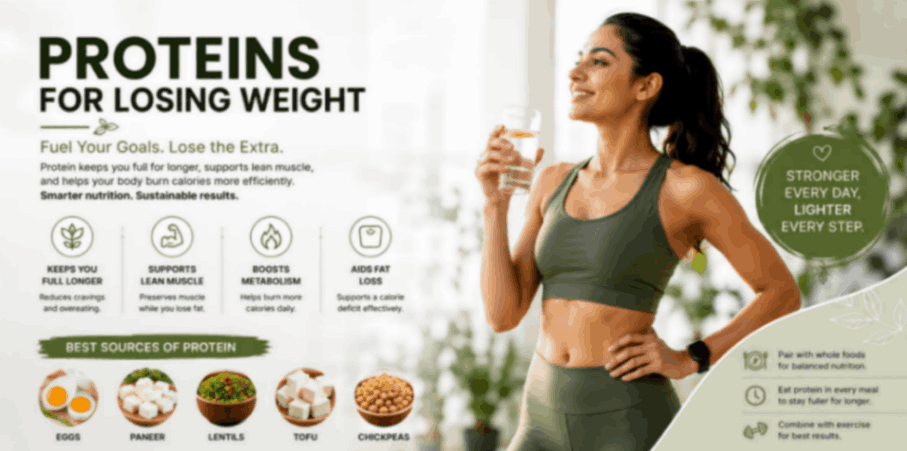
Why Protein Can Be Helpful When Losing Weight
Protein becomes particularly useful during weight loss for two practical reasons: satiety and muscle preservation. Hunger can make a calorie-controlled diet difficult to maintain, so filling foods can make the overall eating pattern easier to follow.
Research comparing higher- and standard-protein energy-restricted diets has found modest benefits for weight and fat loss and, in some studies, better preservation of fat-free mass. That does not mean eating unlimited protein leads to faster weight loss.
7 Protein Sources That Can Fit a Weight-Loss Diet
Lean Chicken & Turkey
Skinless chicken and turkey provide substantial protein without the higher saturated-fat content found in many fattier meats.
Best for: High-protein lunches and dinners.
Fish & Seafood
Seafood such as salmon, trout and tuna can provide protein alongside other nutrients. Salmon and trout can also provide omega-3 fatty acids.
Best for: Protein plus dietary variety.
Eggs
One large egg contains about 6 grams of protein. Whole eggs provide protein, fat and micronutrients, while egg whites can increase protein with fewer calories.
Best for: Breakfast and quick meals.
Greek Yogurt & High-Protein Dairy
Plain Greek yogurt can turn breakfast or a snack into a higher-protein meal. Check labels because protein, sugar and calorie content vary between products.
Best for: Breakfast, snacks and convenience.
Lentils, Beans & Pulses
Dal, rajma, chana, beans, peas and lentils provide protein along with fibre. Overall meal portions still matter, especially when adding rice, oil or ghee.
Best for: Vegetarian and plant-focused diets.
Tofu, Tempeh & Soy Foods
Tofu and tempeh provide useful plant protein and can fit curries, stir-fries, wraps, salads and bowls.
Best for: Vegetarian and vegan diets.
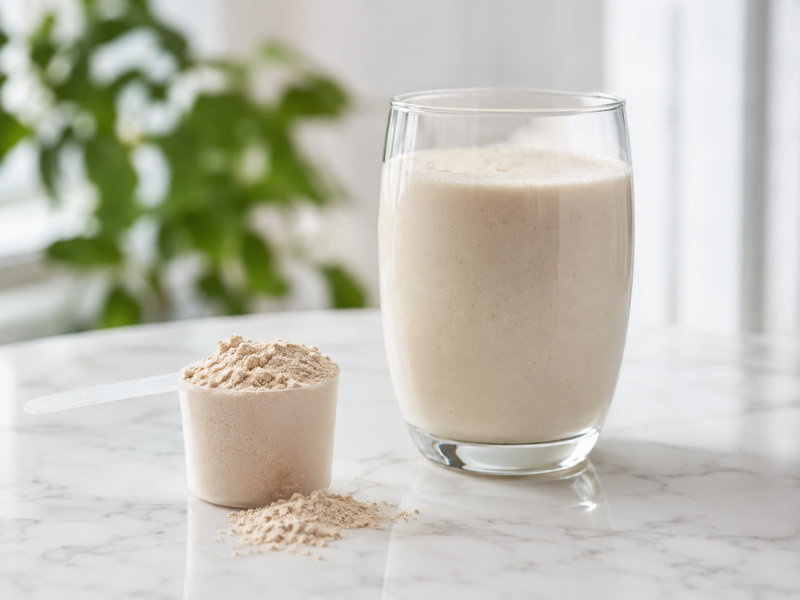
Whey Protein
Whey can be useful after training, between meals or on busy days when preparing a protein-rich meal is inconvenient.
Best for: Convenient protein intake.
Which Type of Protein Fits Your Goal?
| Protein Type | Examples | Practical Use |
|---|---|---|
| Lean Protein | Chicken, turkey, selected seafood | Main meals with substantial protein |
| Convenient Protein | Eggs, Greek yogurt, whey | Breakfast, snacks and busy schedules |
| Vegetarian Protein | Lentils, beans, tofu, tempeh | Plant-focused meals |
| Varied Protein | Rotate animal and plant sources | Broader nutrient variety |
Is Whey Protein Useful for Weight Loss?
Whey protein can help when getting enough protein from regular food is inconvenient. The important distinction is that whey is a protein source, not a fat-loss shortcut.
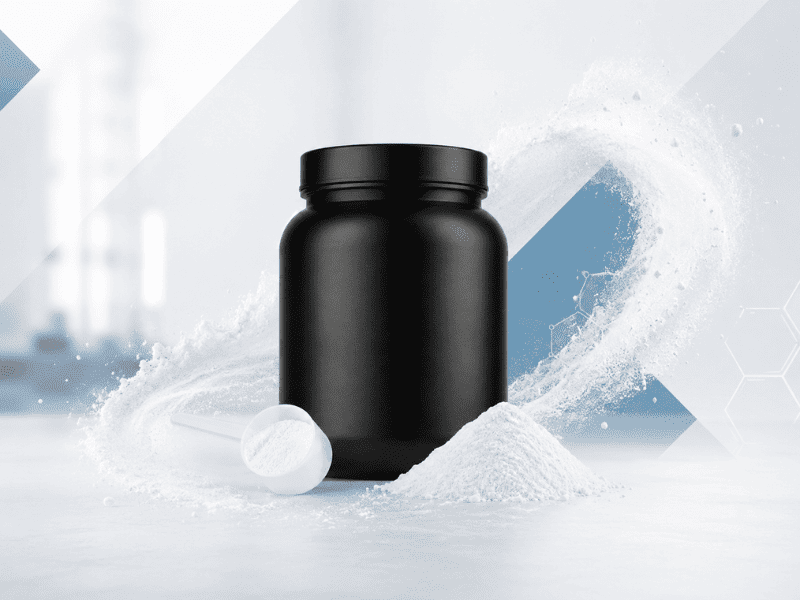
QNT Iso Ripped Whey Isolate Protein
For people considering a supplement, QNT Iso Ripped Whey Isolate Protein currently lists 32 grams of whey protein isolate per serving. It can be used when a convenient protein source helps you reach your daily intake.
View QNT Iso Ripped“The best protein for weight loss is the one that helps you meet your protein needs while staying within a sustainable calorie deficit.”
A Practical Way to Build Protein Into Your Day
Breakfast
Use eggs or Greek yogurt to begin the day with protein.
Lunch
Choose dal, tofu, chicken or fish alongside vegetables and other foods.
Snack
Use yogurt or a protein shake when extra convenience is helpful.
Dinner
Rotate fish, chicken, tofu, lentils or beans to keep your diet varied.
✔ Protein Choice Checklist
Frequently Asked Questions
What type of protein is best for losing weight?
Lean, filling protein sources that fit your calorie target are generally the most practical choices. Examples include skinless chicken, turkey, fish, eggs, Greek yogurt, beans, lentils, tofu and tempeh. Whey protein can also be useful when convenience is needed. Weight loss still depends on overall calorie intake rather than one particular protein food.
What to eat in 7 days to lose weight?
There is no specific seven-day menu that guarantees weight loss. Instead, create a repeatable eating pattern built around vegetables, fruits, whole grains and sensible portions of protein foods while reducing excess calories from foods and drinks.
A practical week can rotate eggs or yogurt at breakfast, dal, tofu, chicken or fish at lunch, and vegetables plus a protein source at dinner.
Is 2 eggs a day enough protein?
Two eggs are not enough to provide most adults with all of their protein for the day. One large egg contains about 6 grams of protein, so two large eggs provide approximately 12 grams.
The rest can come from dairy, lentils, beans, soy foods, fish, poultry, nuts and seeds. Individual protein requirements vary according to body size, calorie needs, activity and health status.
How to get 70g protein in a day?
One simple approach is to spread protein across the day. Three meals containing roughly 20 grams each plus a snack supplying around 10 grams would total approximately 70 grams.
Those meals could include eggs and yogurt at breakfast, dal or tofu at lunch, fish or chicken at dinner, and milk, yogurt or another protein food as a snack. The 70-gram figure is not a universal target; individual needs vary.
The Bottom Line
The best protein for weight loss is not one magical food or supplement. Lean chicken, fish, eggs, Greek yogurt, lentils, beans, tofu and tempeh can all fit effectively into a calorie-controlled diet.
Protein may help improve fullness and preserve lean mass during calorie restriction, but total calorie intake and long-term consistency remain central. Build most of your diet around whole foods, vary your protein sources and use whey protein when it provides genuinely useful convenience.
Choose protein for fullness, nutrition and convenience—not because you expect one food to burn fat for you.
Sources & References
- National Institute of Diabetes and Digestive and Kidney Diseases — Eating & Physical Activity to Lose or Maintain Weight NIDDK guidance on sustainable calorie reduction, healthy eating patterns and weight management.
- USDA MyPlate — Protein Foods USDA guidance covering lean meats, poultry, seafood, eggs, beans, lentils, nuts, seeds and soy foods.
- MedlinePlus — Protein in Diet Medical Encyclopedia guidance on dietary protein, food sources and general protein intake. MedlinePlus egg nutrition information
- Are Dietary Proteins the Key to Successful Body Weight Management? — Systematic Review & Meta-Analysis Systematic review and meta-analysis examining increased dietary protein and body-weight outcomes. Dietary Protein and Appetite Sensations — Systematic Review
- Impact of Protein Intake During Weight Loss — Randomized Controlled Trial Controlled research comparing normal- and higher-protein energy-restricted diets and their effects on weight loss, fat-free mass and physical function.