Best Whey Protein for Women Over 30 in India
Learn how to choose whey protein based on your daily protein gap, strength routine, calorie intake, digestion, schedule and label quality—not gendered marketing.
Key Takeaways
What Should Actually Matter?
Women over 30 are often marketed protein powders using words such as “women’s formula,” “slim,” “beauty” or “toning.” These labels do not automatically make a product more suitable.
The best whey protein for women over 30 in India is one that fills a genuine protein gap, fits the user’s lifestyle and complements balanced meals.
“Choose whey protein according to your nutrition and routine—not according to gendered packaging.”
1. Calculate Your Protein Gap First
Whey protein should solve a nutritional problem—not create an unnecessary daily habit. ICMR-NIN lists a general safe protein requirement of approximately 0.83g per kilogram of body weight per day for healthy Indian adults.
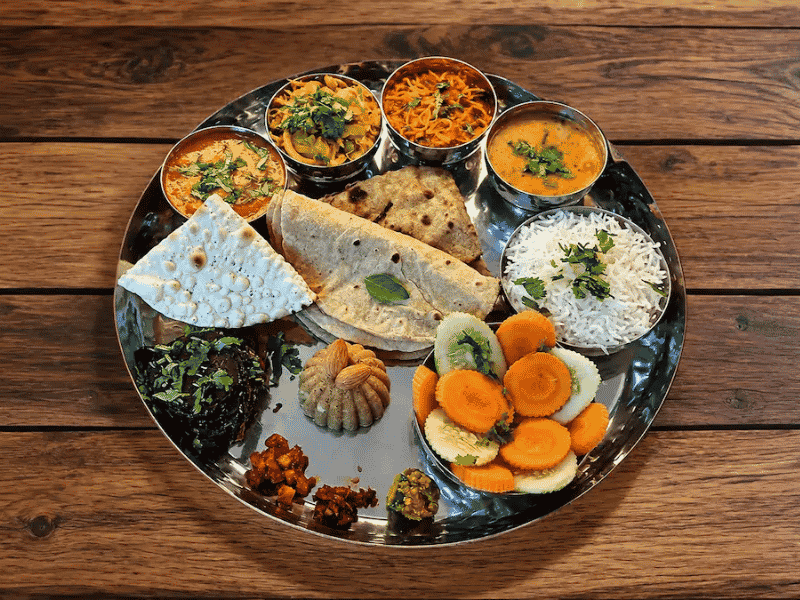
Count protein from dal, beans, milk, curd, paneer, tofu, soy, eggs, fish, meat, nuts and seeds.
2. Prioritise Food Before Supplements
Whey is convenient, but it does not provide everything found in a complete meal. A balanced Indian diet should combine protein foods with vegetables, fruits, grains and healthy fats.
3. Match Protein With Strength Training
Consuming more protein without providing the body with a training stimulus is not the same as building strength. The World Health Organization recommends muscle-strengthening activity for adults at least twice per week.
4. Choose an Amount That Fits Your Activity
Women who exercise regularly may require more protein than sedentary adults. The International Society of Sports Nutrition suggests approximately 1.4–2.0g per kilogram per day for many healthy exercising individuals.
This does not mean every active woman needs 40g of whey after every workout. Total protein from meals and supplements matters more than using the largest scoop.
5. Check Calories Along With Protein
Whey should be evaluated as part of the complete diet. Review the powder and everything added to the shake.
Whey protein does not independently cause fat loss. Overall calorie intake, training, food quality and consistency remain important.
6. Consider Digestion Before Buying a Large Tub
Impressive nutrition numbers are not useful when a product regularly causes discomfort.
Whey Concentrate
May offer better value and suit users who tolerate dairy comfortably. It generally contains more lactose, carbohydrate and fat than isolate, although values vary.
Whey Isolate
Is more filtered and usually contains a higher protein proportion with less lactose, carbohydrate and fat. It is not automatically better for every woman.
7. Make Convenience Part of the Decision
Busy schedules often create the protein gap. A suitable whey protein should work during ordinary weekdays—not only on perfect workout days.
A premium formula that is inconvenient, excessively sweet or too expensive may remain unused.
8. Read the Label Without Gender Bias
Do not choose whey protein because the packaging is pink or uses phrases such as “for women.” Evaluate the same fundamentals expected from any reliable protein product.
Which Type May Fit You?
| Your situation | What may matter most |
|---|---|
| Vegetarian with a protein gap | Protein per serving and affordability |
| Regular strength-training user | Total daily protein and serving quality |
| Calorie-conscious user | Protein-to-calorie ratio |
| Sensitive to some dairy products | Isolate, ingredients and controlled testing |
| Busy office-goer | Mixability, portability and convenience |
| New whey user | Smaller pack and familiar flavour |
Final Takeaway
The best whey protein for women over 30 in India should not be selected through gendered marketing.
Food should remain the foundation, strength training should provide the stimulus, and whey should fill the gap when convenience or dietary limitations make it useful.
Frequently Asked Questions
Do women over 30 need whey protein?
Not automatically. Whey may be useful when normal meals repeatedly fail to meet protein requirements.
Will whey protein make women bulky?
Whey alone does not determine body size. Muscle development depends on training, total calories, genetics, recovery and consistent nutrition.
Is whey isolate better for women?
Not universally. Isolate may suit users seeking a leaner or lower-lactose formula, while concentrate may provide better value for those who tolerate it.
Can whey be taken without working out?
Yes, when it fills a genuine dietary protein gap. It should still fit the person’s total calorie intake and overall diet.
Can whey replace breakfast?
Whey alone is not a complete breakfast. Combine it with balanced foods or use it when a normal meal is temporarily difficult.
References
- ICMR-NIN, Nutrient Requirements for Indians: RDA and EAR.
- World Health Organization, Physical Activity Recommendations for Adults.
- International Society of Sports Nutrition, Position Stand: Protein and Exercise.
- Isenmann et al., Resistance Training in Females Across the Lifespan.
- Bergia et al., Effect of Whey Protein Supplementation on Body Composition in Women.