Iron Deficiency in Female Athletes: Symptoms, Performance Effects and Supplement Safety
Learn how low iron and ferritin can affect female athletes, which symptoms and blood tests matter, and why iron supplements should be used only when a genuine deficiency is identified.
Key Takeaways
Introduction
Fatigue, slower running times and poor workout recovery are often blamed on inadequate sleep, low motivation or excessive training. For female athletes, low iron status can be another important possibility.
Iron supports oxygen transport, muscle metabolism, cellular energy production and neurological function. When iron stores decline, an athlete may notice reduced endurance or difficulty maintaining normal training quality before haemoglobin becomes low enough to cause anaemia.
Research suggests supplementation is most useful when it corrects a genuine deficiency. Giving iron to athletes with adequate stores is unlikely to deliver the same benefit and can create avoidable risks.
“Iron can improve health and performance when it corrects a genuine deficiency. It is not a universal energy supplement for every tired athlete.”
Why Iron Matters for Athletic Performance
Iron is a component of haemoglobin, which transports oxygen from the lungs to working tissues. It is also present in myoglobin and enzymes involved in cellular energy production.
Haemoglobin carries oxygen to tissues during exercise.
Myoglobin helps supply and store oxygen within muscle.
Iron-containing enzymes support aerobic metabolism.
Adequate iron supports concentration, immunity and training adaptation.
Iron Deficiency Is Not the Same as Anaemia
Iron status exists on a spectrum. A normal haemoglobin result does not automatically confirm that iron stores are adequate.
| Stage | Iron Stores | Haemoglobin | What It Means |
|---|---|---|---|
| Low iron stores | Beginning to decline | May remain normal | Ferritin may fall before other markers change |
| Iron deficiency without anaemia | Depleted | Still within reference range | Iron availability declines without established anaemia |
| Iron-deficiency anaemia | Severely depleted | Reduced | Blood oxygen-carrying capacity becomes impaired |
How Common Is It?
Reported prevalence varies because research uses different ferritin cutoffs, sports, competition levels and definitions.
Reviews suggest low iron or ferritin is common across female-athlete populations, but these findings do not mean every athlete requires supplementation. They support targeted assessment when symptoms or risk factors are present.
Why Female Athletes Are More Vulnerable
Regular blood loss increases iron requirements, particularly when periods are heavy or prolonged.
Calorie restriction and poorly planned vegetarian or vegan diets may provide insufficient absorbable iron.
Under-fuelling can reduce total nutrient intake and coexist with impaired recovery and menstrual disruption.
Impact, sweat, urine, gastrointestinal losses and red-cell turnover may contribute.
Endurance training and altitude exposure can increase demand for red-blood-cell production.
This iron-regulating hormone may rise after demanding exercise and temporarily reduce absorption.
Heavy Periods and Iron Loss
Heavy menstrual bleeding is an important cause of iron deficiency. Replacing iron without investigating continued blood loss may provide only temporary improvement.
- !Bleeding for more than seven days
- !Frequently soaking through menstrual products
- !Passing large blood clots
- !Bleeding that disrupts sleep, work or training
- ✓Ferritin repeatedly falls after treatment
- ✓Bleeding is associated with dizziness
- ✓Periods involve severe pelvic pain
- ✓Symptoms affect normal daily activity
Who Is Most at Risk?
Symptoms of Low Iron in Female Athletes
Iron deficiency without anaemia may cause few obvious symptoms. When symptoms occur, they can overlap with under-fuelling, stress, illness, excessive training and inadequate sleep.
Energy remains low despite adequate rest.
Familiar sessions become harder to sustain.
Normal pace or load feels unusually demanding.
Focus, motivation and mental clarity may decline.
Training quality and repeated effort may worsen.
More concerning when persistent or severe.
Some athletes report unusual cold sensitivity.
Normal volume or pace becomes difficult to maintain.
How Iron Deficiency Affects Performance
The clearest effects appear in endurance and aerobic exercise. A recent review associated iron deficiency with an average reduction of approximately 3%–4% in endurance performance among high-level female athletes.
| Performance Area | Possible Effect | Practical Sign |
|---|---|---|
| Endurance | Reduced capacity to sustain prolonged effort | Slower pace or earlier fatigue |
| Aerobic capacity | Lower oxygen-dependent performance in some deficient athletes | Reduced time to exhaustion |
| Repeated intervals | Difficulty maintaining normal output | Greater drop-off between efforts |
| Perceived exertion | Exercise feels harder at a familiar workload | Higher effort at normal pace |
| Strength | Evidence is less consistent than endurance | Possible weakness in more severe deficiency |
Ferritin and Iron Blood Tests
Ferritin is a protein that stores iron. Serum ferritin is commonly used as an estimate of iron reserves because it may decline before haemoglobin becomes abnormal.
Ferritin is also an acute-phase reactant. Infection, inflammation and recent strenuous exercise may increase it temporarily and make stores appear healthier than they are.
| Blood Test | What It Assesses | Important Limitation |
|---|---|---|
| Serum ferritin | Stored iron | Can rise during inflammation |
| Haemoglobin | Oxygen-carrying protein in red blood cells | May remain normal during early deficiency |
| Complete blood count | Red-cell count, size and related indices | Does not identify every cause of fatigue |
| Transferrin saturation | How much transferrin is carrying iron | Should be interpreted with other markers |
| C-reactive protein | Evidence of inflammation | Helps explain potentially misleading ferritin results |
What Ferritin Level Is Considered Low?
There is no universally accepted ferritin target for every female athlete.
In adults without significant inflammation, ferritin below approximately 30 micrograms per litre generally supports iron deficiency. Some athlete research uses cutoffs of 35 or 40 micrograms per litre to identify low stores or possible performance concerns.
When Should an Athlete Consider Testing?
- ✓Persistent unexplained fatigue
- ✓Declining endurance or aerobic performance
- ✓Poor recovery despite adequate sleep and nutrition
- ✓Recurrent bone-stress injuries
- ✓Heavy menstrual bleeding
- ✓Previous iron deficiency
- ✓Restrictive diet or repeated calorie restriction
- ✓Gastrointestinal symptoms or frequent blood donation
Can Iron Supplements Improve Performance?
Supplementation is most likely to improve performance when the athlete is genuinely iron deficient.
Studies in deficient female athletes have reported improvements in selected endurance and aerobic outcomes, but results vary according to deficiency severity, treatment duration, sport, dose and absorption.
| Starting Status | Likely Response | Practical Meaning |
|---|---|---|
| Confirmed deficiency | Potential improvement in health, endurance and fatigue | Treatment may restore function that was limited by low iron |
| Adequate iron stores | Little or no performance benefit expected | Extra iron is not equivalent to more energy |
Why Athletes Should Not Self-Prescribe Iron
Iron is essential, but high-dose supplementation is not harmless. Unnecessary use can also delay diagnosis of the real cause of fatigue.
- Nausea and vomiting
- Constipation or diarrhoea
- Abdominal pain
- Gastric irritation
- Reduced absorption of other minerals
- Low energy availability
- Vitamin B12 deficiency
- Thyroid disease
- Sleep disorders
- Infection or excessive training stress
How Much Iron Is Needed From Food?
General dietary recommendations are nutrition targets, not treatment doses for diagnosed deficiency.
| Group | Recommended Intake | Important Context |
|---|---|---|
| Girls aged 14–18 | 15 mg daily | General dietary recommendation |
| Women aged 19–50 | 18 mg daily | Does not account for every athlete-specific circumstance |
| Pregnancy | 27 mg daily | Individual clinical advice may also be needed |
Practical requirements may be influenced by menstrual loss, training volume, dietary pattern, pregnancy, blood donation, gastrointestinal health and current iron status.
Heme Iron vs Non-Heme Iron
| Iron Type | Main Sources | Absorption |
|---|---|---|
| Heme iron | Meat, poultry and seafood | Generally absorbed more efficiently |
| Non-heme iron | Plant foods, fortified foods and most supplements | More strongly influenced by the rest of the meal |
Vegetarian Iron Sources
How to Improve Iron Absorption
- Lentils with tomatoes or capsicum
- Chickpeas with amla or guava
- Tofu with broccoli
- Fortified cereal with vitamin-C-rich fruit
- Beans with tomatoes
- Tea with an iron-rich meal
- Coffee with an iron-rich meal
- Large calcium doses at the same time
- High-phytate meals without planning
How Iron Supplements Are Dosed
Iron products contain different compounds and different amounts of elemental iron. The amount printed on the front of the product may not equal the elemental iron delivered.
Daily or Alternate-Day Iron?
Oral iron temporarily increases hepcidin, which may reduce absorption of a subsequent dose. Alternate-day single dosing can improve fractional absorption and tolerance in some iron-depleted women.
| Approach | Possible Advantage | Important Consideration |
|---|---|---|
| Daily dosing | May suit certain anaemia-treatment plans | Tolerance and absorption vary |
| Alternate-day dosing | May improve fractional absorption and gastrointestinal tolerance | Not suitable for every clinical situation |
The preferred schedule depends on deficiency severity, anaemia, elemental dose, treatment speed, side effects, adherence and clinician guidance.
What Is the Best Time to Take Iron?
Absorption is generally higher when iron is taken away from coffee, tea, calcium and large meals. Taking it with food may reduce absorption but improve tolerance.
Oral Iron vs Intravenous Iron
| Treatment | Typical Use | Important Point |
|---|---|---|
| Oral iron | Often considered first | Less invasive but may cause digestive side effects |
| Intravenous iron | Severe deficiency, poor absorption, intolerance or failed oral treatment | Must be prescribed and administered medically |
How Long Does Treatment Take?
Symptoms and haemoglobin do not recover immediately after the first dose. Treatment may continue for weeks or months because the goal is to rebuild iron stores as well as improve haemoglobin.
Research in female athletes has used treatment periods of approximately five to eighteen weeks, depending on the dose and outcome studied.
Checks whether stored iron is rebuilding.
Assesses recovery when anaemia is present.
Helps identify poor response to oral treatment.
Follow-up testing guides when supplementation should end.
When Iron Does Not Improve
Iron Deficiency and Vegetarian Athletes
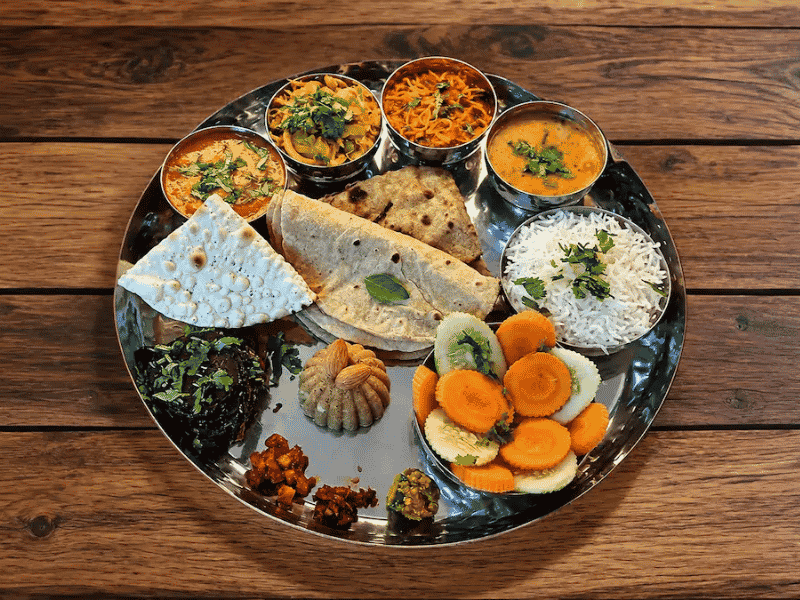
Vegetarian athletes should not assume they automatically need supplements. A well-planned diet can provide iron through legumes, tofu, fortified foods, seeds, nuts and whole grains.
Include Iron Foods
Add an iron-rich food to several meals.
Pair Vitamin C
Improve absorption of plant-based iron.
Separate Inhibitors
Keep tea and coffee away from key meals.
Test When Needed
Base supplements on risk and blood results.
A Practical Iron Plan for Female Athletes
Review Risk
Assess periods, diet, training, donation and previous results.
Avoid Self-Diagnosis
Fatigue alone does not confirm iron deficiency.
Obtain Tests
Use ferritin, haemoglobin and related markers.
Identify the Cause
Address bleeding, under-fuelling or malabsorption.
Improve Food Intake
Use iron-rich meals and absorption strategies.
Supplement Appropriately
Follow the recommended elemental dose and schedule.
Monitor Tolerance
Report persistent digestive side effects.
Recheck Status
Confirm treatment response and stopping point.
Common Iron Myths
Ferritin may decline before haemoglobin, creating iron deficiency without anaemia.
Risk is higher, but supplementation should still be based on need.
It may improve fatigue when deficient but does not act like caffeine.
Benefits are mainly reported when low stores are corrected.
A well-planned vegetarian diet can provide adequate iron.
Ferritin can be affected by inflammation and requires context.
Iron replaces losses but does not treat the cause of heavy bleeding.
High doses can cause side effects and harm people with iron-overload conditions.
When to Seek Medical Advice Promptly
The Final Verdict
Iron deficiency is common enough in female athletes to deserve attention, but not every tired athlete is iron deficient.
Low iron stores may impair endurance, aerobic capacity, concentration and training quality before haemoglobin becomes low enough to meet the definition of anaemia.
Supplementation may improve health and performance when it corrects a genuine deficiency. The evidence does not support high-dose iron for athletes who already have adequate stores.
“Iron is not a universal performance enhancer. Correcting a genuine deficiency may restore the oxygen delivery and training capacity an athlete was missing.”
Frequently Asked Questions
Can a female athlete have iron deficiency without anaemia?
Yes. Ferritin and available iron can decline while haemoglobin remains within the laboratory reference range.
What are common symptoms of low iron in athletes?
Possible symptoms include persistent fatigue, reduced endurance, higher perceived effort, poor concentration, weakness, headaches and difficulty maintaining pace.
What ferritin level is considered low?
Ferritin below approximately 30 micrograms per litre generally supports deficiency in adults without significant inflammation. Athlete programmes may use higher screening cutoffs.
Is ferritin enough to diagnose iron deficiency?
No. Ferritin can rise during inflammation, so haemoglobin, transferrin saturation, blood count, symptoms and clinical history also matter.
Does low iron reduce endurance?
Yes, it may reduce endurance and aerobic performance, especially when deficiency affects oxygen transport or energy metabolism.
Should every female athlete take iron?
No. Supplementation should be based on risk factors, symptoms, dietary intake and appropriate blood testing.
Can iron supplements improve performance?
They may improve selected outcomes when correcting a genuine deficiency. Little benefit is expected when stores are already adequate.
Is alternate-day iron better than daily iron?
Alternate-day dosing may improve fractional absorption and tolerance in some people, but the best schedule depends on the clinical situation.
Should iron be taken with food?
Food may reduce absorption but improve gastrointestinal tolerance. The routine should balance absorption and adherence.
Can vegetarian athletes meet their iron needs?
Yes. Legumes, tofu, seeds, fortified foods and vitamin-C-rich meal combinations can support intake and absorption.
How long does iron treatment take?
Treatment commonly lasts several weeks or months because iron stores must be rebuilt. Follow-up testing determines the response and stopping point.
References
- Systematic review of iron deficiency, supplementation and performance in high-level female athletes
- Meta-analysis of oral iron supplementation and iron status in athletes
- NIH Office of Dietary Supplements iron fact sheet for health professionals
- Australian Institute of Sport guidance on iron deficiency in athletes
- Systematic review of ferritin reference intervals and diagnostic thresholds
- Research on alternate-day oral iron dosing and absorption
- Study of iron absorption, meal timing, coffee and ascorbic acid
- Research on exercise, hepcidin and iron regulation
- Research related to low energy availability and athlete health