Caffeine Before a Workout: Best Dose, Timing and Common Mistakes
Learn how much caffeine to take before training, when to use coffee or pre-workout, how caffeine affects performance and sleep, and how to reduce common side effects.
Key Takeaways
Introduction
Caffeine is one of the most widely used performance aids in gyms and competitive sports. It appears in coffee, energy drinks, tablets, gels, chewing gum and many pre-workout formulas.
Research suggests caffeine may improve alertness, muscular endurance, movement speed, sprinting, jumping and aerobic performance. However, individual response varies according to dosage, habitual intake, sleep, anxiety, genetics and the form consumed.
“The goal is not maximum stimulation. It is the lowest caffeine dose that improves performance without harming recovery.”
What Does Caffeine Do Before Exercise?
Caffeine primarily blocks adenosine receptors in the brain. Adenosine contributes to tiredness, so reducing its signalling may increase alertness and make demanding exercise feel more manageable.
Exercise may feel slightly less demanding at the same workload.
Some athletes may maintain faster bar speed or movement output.
Caffeine can support vigilance, reaction time and concentration.
It may alter how fatigue and exercise-related discomfort are perceived.
Certain doses may support force production and repeated muscular work.
Does Caffeine Improve Workout Performance?
Caffeine can improve several forms of exercise performance, although the average benefit is usually small to moderate and not every athlete responds positively.
Best Caffeine Dosage for Gym Performance
A commonly researched performance range is 3–6 milligrams per kilogram of body weight. However, most recreational athletes should not begin at the upper end.
A more conservative starting range is approximately 1–2 mg/kg, increasing only after the lower dose has been tested and tolerated.
| Body Weight | 1 mg/kg | 2 mg/kg | 3 mg/kg | 6 mg/kg |
|---|---|---|---|---|
| 50 kg | 50 mg | 100 mg | 150 mg | 300 mg |
| 60 kg | 60 mg | 120 mg | 180 mg | 360 mg |
| 70 kg | 70 mg | 140 mg | 210 mg | 420 mg |
| 80 kg | 80 mg | 160 mg | 240 mg | 480 mg |
| 90 kg | 90 mg | 180 mg | 270 mg | 540 mg |
Is More Caffeine Better?
Usually not. Higher doses increase the likelihood of side effects and are not required for an ergogenic effect.
Approximately 1–3 mg/kg may improve performance with a lower risk of anxiety and sleep disruption.
Approximately 3–6 mg/kg is commonly studied but may be excessive for sensitive or lighter individuals.
Doses near 9 mg/kg produce a high incidence of side effects and are not necessary for most athletes.
“Increase caffeine only when a lower dose has been tested, tolerated and found insufficient.”
Best Time to Take Caffeine Before a Workout
Coffee, caffeine capsules, tablets and most conventional pre-workout drinks are commonly used approximately 30–60 minutes before exercise. Faster formats may be taken closer to training.
| Caffeine Source | Practical Timing | Main Consideration |
|---|---|---|
| Coffee | 30–60 minutes before | Caffeine amount varies by bean, serving and brewing method |
| Capsules or tablets | 45–60 minutes before | Provides a more predictable dose |
| Caffeinated chewing gum | Approximately 10–15 minutes before | May act faster through absorption in the mouth |
| Energy gels or chews | Before or during prolonged exercise | Match timing to event duration and tolerance |
| Pre-workout supplement | Follow the caffeine source and product guidance | Check caffeine per full serving before using one scoop |
Is Coffee as Good as a Pre-Workout?
Coffee can be an effective pre-workout caffeine source, but it is not identical to a formulated supplement. The better option is the one that provides an appropriate dose, suits your digestion and does not interfere with sleep.
| Coffee | Pre-Workout Supplement |
|---|---|
| Caffeine content may vary | Caffeine should be listed per serving |
| Simple and widely available | May contain creatine, beta-alanine or citrulline |
| Can cause acidity or bathroom urgency | May cause tingling, overstimulation or digestive discomfort |
| Usually lower cost | Usually more expensive |
| No automatic performance advantage | Effect depends on ingredient quality and dosage |
When Should You Avoid Pre-Workout Caffeine?
- !You train close to bedtime
- !You already consumed substantial caffeine
- !You experience anxiety or panic symptoms
- !You experience palpitations
- !Your workout is light or recovery-focused
- ✓You use caffeine for every workout
- ✓You are severely sleep deprived
- ✓Your dose keeps increasing
- ✓Your digestion worsens after caffeine
- ✓You take medication that may interact with stimulants
Caffeine and Sleep: The Hidden Performance Cost
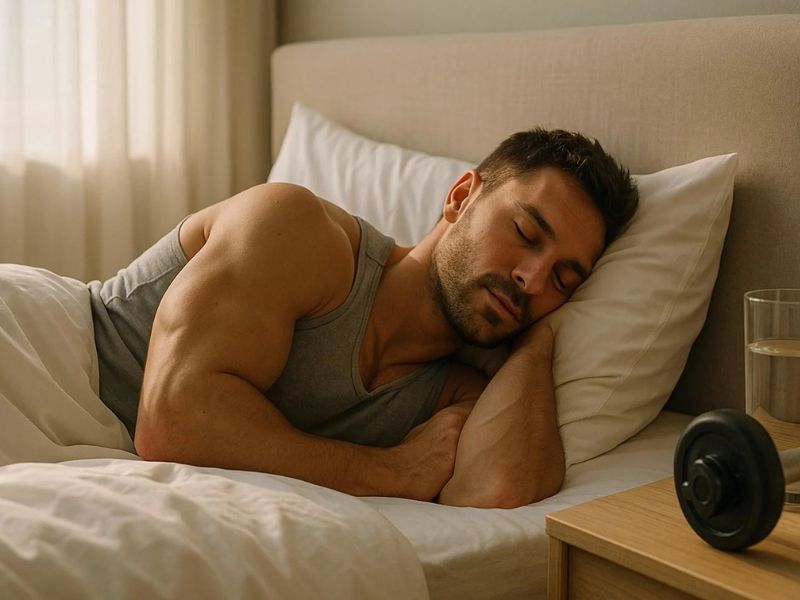
Sleep is one of the most important considerations when using caffeine. A dose that improves an evening session but reduces sleep quality may negatively affect recovery, mood and future performance.
Research suggests caffeine can reduce total sleep time, delay sleep onset and lower sleep efficiency. Both the dose and the number of hours between caffeine and bedtime matter.
Usually provides the largest gap between caffeine use and bedtime.
Use a lower dose and monitor sleep quality carefully.
A caffeine-free pre-workout may be more appropriate near bedtime.
Common Caffeine Side Effects
Nervousness or excessive stimulation.
Difficulty sitting still or concentrating.
Shaking that may interfere with control.
A noticeable increase in heart rate.
Awareness of irregular or forceful heartbeats.
May occur with high intake or withdrawal.
More likely with high or fasted doses.
Coffee may worsen acidity in some people.
Delayed sleep or lower sleep quality.
Overstimulation may reduce concentration.
Why Caffeine Affects People Differently
The same dose can improve performance for one person and cause nervousness or poor sleep for another.
Does Regular Caffeine Use Reduce Its Effect?
Habitual intake may reduce how strongly a dose feels. Continually increasing the amount is not an ideal solution because it can worsen sleep and raise total daily intake.
- ✓Reduce unnecessary caffeine outside training
- ✓Reserve caffeine for demanding sessions
- ✓Keep some workouts caffeine-free
- ✓Review whether poor sleep is increasing dependence
- Headache
- Tiredness
- Irritability
- Reduced concentration
Reduce intake gradually when you regularly consume large amounts.
Should You Train Fasted With Caffeine?
Caffeine can be used before fasted training, but it may feel stronger without food. A small meal or snack may improve comfort for sensitive individuals.
Coffee or tablets may feel harsher without food.
More likely with a large dose or sensitive digestion.
Stimulation may feel more intense while fasted.
Sensitive users may feel restless or unfocused.
Does Caffeine Dehydrate You During Exercise?
Caffeine has mild diuretic effects, particularly in people who are not accustomed to it. Moderate intake does not automatically cause dehydration during exercise when fluid intake is adequate.
A Simple Pre-Workout Caffeine Protocol
Start Conservatively
Begin with approximately 1–2 mg/kg.
Count Every Source
Include coffee, tea, supplements, drinks and medication.
Choose the Timing
Use 30–60 minutes for conventional formats.
Test During Training
Do not experiment before a race or maximum attempt.
Monitor the Outcome
Track performance, anxiety, digestion, heart rate and sleep.
Increase Only if Needed
Move toward 3 mg/kg only when a lower dose is insufficient.
- Repetitions completed
- Bar speed
- Total training volume
- Running or cycling time
- Perceived effort
- Anxiety or nervousness
- Heart rate and palpitations
- Digestive comfort
- Sleep quality
- Next-day fatigue
Common Pre-Workout Caffeine Mistakes
One scoop may contain more caffeine than your body weight and tolerance require.
Feeling shaky or aggressive does not prove your workout improved.
Evening intake may reduce sleep quality and future training performance.
Caffeine improves alertness but cannot reproduce the benefits of adequate sleep.
This can create a cycle of poor sleep, fatigue and greater dependence.
Daily totals include every source, not only the pre-workout product.
Light or recovery-focused training may not require caffeine.
Test dosage and timing during normal training first.
Who Should Be Cautious With Caffeine?
The Final Verdict
Caffeine can be an effective pre-workout aid, particularly for endurance, muscular endurance, movement velocity, sprinting and selected strength outcomes. However, the correct strategy is highly individual.
Start with approximately 1–2 mg/kg, use conventional caffeine around 30–60 minutes before training and increase only when the lower dose is well tolerated and clearly insufficient.
Protect sleep, count every caffeine source and evaluate measurable performance rather than stimulation alone.
“The best caffeine dose is the smallest amount that improves your workout without harming sleep, digestion, focus or recovery.”
Frequently Asked Questions
How much caffeine should I take before a workout?
A reasonable starting point is approximately 1–2 mg/kg. Around 3 mg/kg is commonly effective, while higher doses increase the risk of side effects.
How long before a workout should I take caffeine?
Coffee, capsules, tablets and most pre-workout drinks are commonly used around 30–60 minutes before exercise. Caffeinated gum may be used closer to training.
Is coffee good before a workout?
Yes, when it is well tolerated. However, caffeine content can vary and coffee may cause acidity or digestive discomfort in some people.
Is 200 mg of caffeine enough for a workout?
For many people, yes. For a 70 kg person, 200 mg equals approximately 2.9 mg/kg.
Is 400 mg too much before a workout?
It may be excessive for many people, especially those with lower body weight or caffeine sensitivity. The commonly cited 400 mg figure is a general daily reference, not a recommended single dose.
Can caffeine help with strength training?
Research suggests caffeine may produce small improvements in muscular strength, endurance and movement velocity.
Does caffeine help burn fat?
It may temporarily influence energy expenditure and alertness, but it cannot replace a calorie deficit, resistance training or appropriate nutrition.
Can I use caffeine for an evening workout?
You can, but it may reduce sleep quality. A lower dose or caffeine-free pre-workout may be better near bedtime.
Why does caffeine make me anxious?
Caffeine increases central nervous system stimulation. Sensitive individuals may experience nervousness, restlessness or palpitations even at moderate doses.
Should I take caffeine every day?
Daily use is not necessary for progress. Strategic use during demanding sessions may help control total intake, tolerance and sleep disruption.
References
- International Society of Sports Nutrition position stand on caffeine and exercise performance
- Umbrella meta-analysis of caffeine, muscular strength and endurance
- Meta-analysis of low and moderate caffeine doses in aerobic time trials
- Network meta-analysis of caffeine dosage and administration strategies
- Meta-analysis of caffeinated chewing gum and exercise performance
- Systematic review and meta-analysis of caffeine and sleep
- Randomised crossover trial of caffeine dose, timing and sleep
- Research on late-day caffeine, athlete sleep and recovery
- US Food and Drug Administration guidance on caffeine intake and side effects