GLP-1 Is Not Something a Laboratory Invented
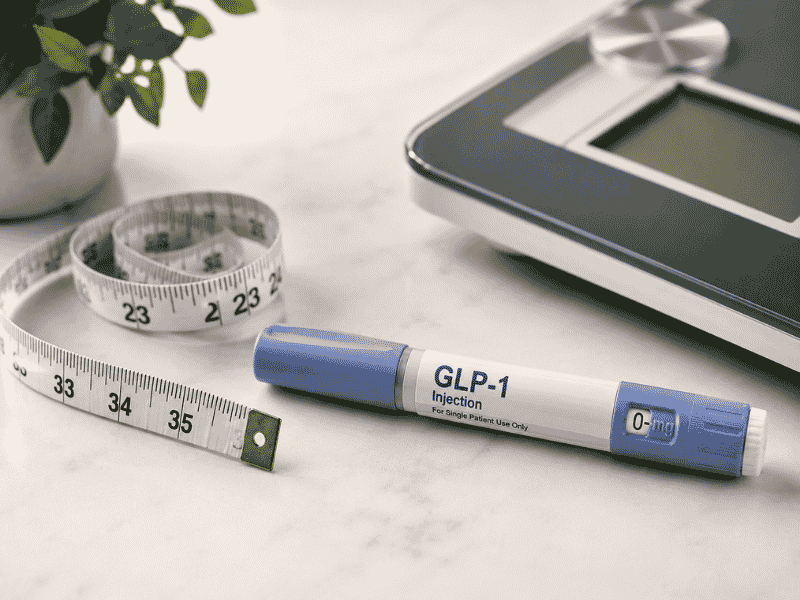
Ozempic, Wegovy and other GLP-1-based medicines have made the hormone famous, but GLP-1 was already part of human physiology long before weight-management injections entered the conversation.
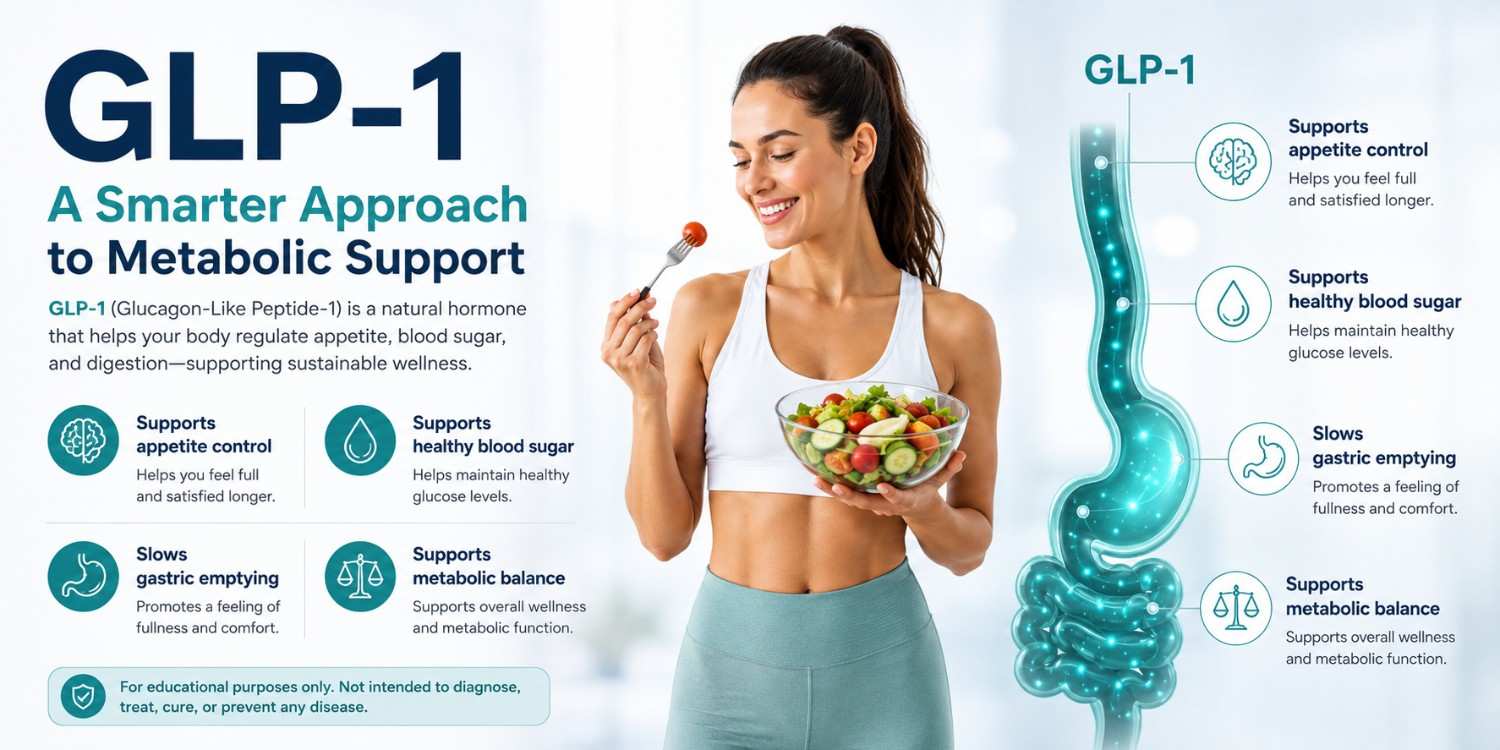
Specialised cells in the intestine release natural glucagon-like peptide-1 after food enters the digestive system. This hormone helps coordinate blood-sugar control, digestion and signals of fullness.
Food and lifestyle choices may support this natural response. However, the phrase “boost GLP-1 naturally” requires perspective: a balanced meal cannot create the prolonged pharmacological exposure produced by a prescription medicine.
Key Takeaways
Intestinal L-cells release this hormone naturally after eating.
Protein foods can stimulate digestive-hormone release and support muscle maintenance.
Fibre-rich plants, pulses and whole grains support digestion and meal satisfaction.
The enzyme DPP-4 breaks it down rapidly, unlike longer-acting prescription therapies.
Regular activity benefits insulin sensitivity, fitness and long-term appetite regulation.
Lifestyle strategies should not replace prescribed treatment for obesity or diabetes.
How Your Body Makes GLP-1
Natural GLP-1 is released primarily by intestinal enteroendocrine cells—commonly called L-cells—in response to nutrients arriving in the digestive tract.
Food Enters the Gut
Carbohydrate, protein and fat are detected through different nutrient-sensing pathways.
L-Cells Respond
Intestinal cells release GLP-1 and other digestive hormones.
Metabolic Signals Begin
GLP-1 supports glucose-dependent insulin secretion and helps regulate glucagon.
Satiety Is Supported
Digestion slows and signals involved in meal satisfaction are strengthened.
Natural GLP-1 vs Prescription GLP-1 Medicines
| Feature | Natural GLP-1 | Prescription GLP-1 Therapy |
|---|---|---|
| Source | Released by the body after eating | Manufactured prescription medicine |
| Duration | Broken down rapidly | Designed for prolonged receptor activity |
| Trigger | Meals and nutrient exposure | Administered according to a clinical prescription |
| Effect Size | Normal physiological response | Stronger pharmacological exposure |
| Primary Role | Supports everyday digestion and metabolic regulation | Treats eligible patients under medical supervision |
What Can Support Your Natural GLP-1 Response?
Different nutrients activate different receptors and digestive pathways. No single food controls the entire system, which is why balanced meal composition matters more than chasing a “GLP-1 superfood.”
Protein-Rich Meals
Protein and individual amino acids can stimulate intestinal hormone release. Whey, dairy, eggs, soy, pulses, fish and other protein foods can help create a more satisfying meal.
Fibre-Rich Whole Foods
Vegetables, fruits, pulses and intact whole grains support fullness and gut health. Fermentable fibre may also influence GLP-1 through microbial metabolites, although human results remain variable.
Intact Pulses and Legumes
Chickpeas, rajma, lentils and peas combine protein, fibre and slowly digested carbohydrate. Human research suggests that preserving intact plant-cell structure may support stronger satiety-hormone responses.
Healthy Fats in Moderate Portions
Fat can stimulate digestive hormones, but it is energy-dense. Nuts, seeds and sensible quantities of cooking oil can support a balanced meal without turning “GLP-1 boosting” into overeating.
Mixed, Minimally Processed Meals
A meal containing protein, plants, fibre-rich carbohydrate and some healthy fat engages multiple digestive signals and is generally more satisfying than refined carbohydrate alone.
Regular Physical Activity
Exercise improves insulin sensitivity, fitness and long-term appetite regulation. Some studies report changes in GLP-1 after exercise, but the response varies and should not be treated as a guaranteed hormone hack.
Why Protein Deserves Special Attention
Protein is one of the most practical nutritional tools for supporting satiety. It can stimulate GLP-1 and other gut hormones while also supplying amino acids needed for the maintenance of muscle tissue.
This combination becomes particularly valuable during weight management, when the goal should be to control appetite without allowing daily protein intake and muscle health to collapse.
Protein Can Support
- Meal satisfaction
- Natural gut-hormone release
- Daily protein requirements
- Muscle maintenance
- Recovery from resistance training
Protein Cannot
- Replicate a prescription drug
- Treat obesity by itself
- Cancel an excessive calorie intake
- Replace vegetables and fibre
- Guarantee weight loss
A Convenient Protein Option
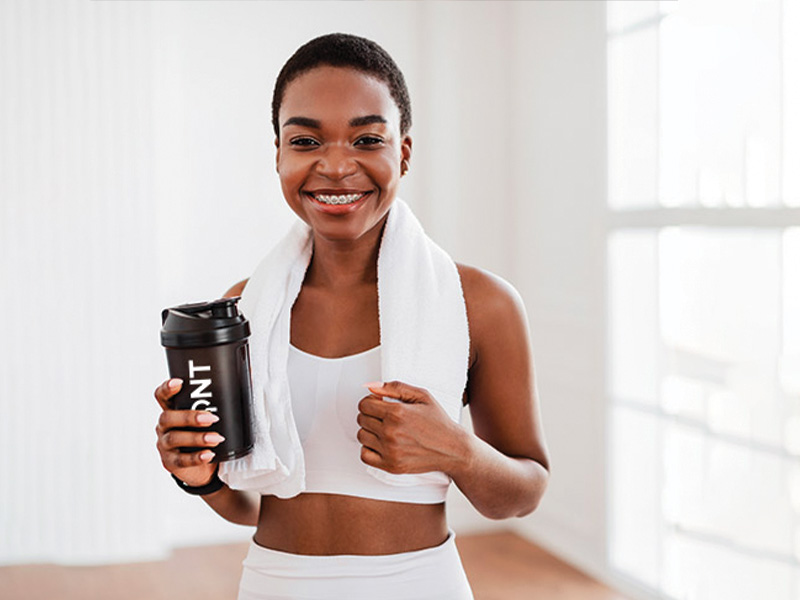
QNT ISO RIPPED Whey Isolate Protein – Kesar Malai Kulfi
QNT ISO RIPPED can be a good and convenient protein option for people who struggle to include a suitable protein source in every meal.
Its whey isolate format can be added to a balanced nutrition plan as a compact protein serving, while the Kesar Malai Kulfi flavour offers a familiar Indian-inspired taste.
Build GLP-1-Supportive Meals With Indian Foods
The goal is not to consume one special ingredient. Build meals that combine protein, high-fibre plants, sensible carbohydrate portions and moderate amounts of healthy fat.
Protein Base
Curd, paneer, tofu, soy, eggs, fish, chicken, dal or a suitable protein supplement.
Fibre-Rich Plants
Green vegetables, cauliflower, bhindi, beans, carrots, cucumber and seasonal fruit.
Smart Carbohydrates
Oats, barley, millets, whole-grain roti, brown rice, chickpeas and rajma.
Healthy Fats
Nuts, seeds, peanuts and measured quantities of cooking oil.
A Simple Meal-Building Process
Choose Protein
Give every main meal a clear protein source.
Add Plants
Include vegetables, fruit or both.
Select Fibre-Rich Carbs
Prefer pulses or less-refined grains.
Control Added Fat
Use oils, nuts and seeds in sensible portions.
Practical Meal Examples
Breakfast
Paneer or tofu bhurji with vegetables and a whole-grain roti, or oats combined with curd and seeds.
Lunch
Rajma, chana or dal with vegetables, curd and a controlled portion of rice or roti.
Snack
A protein shake, roasted chana, curd, fruit with nuts or another protein-conscious option.
Dinner
Tofu, paneer, eggs, fish or chicken with cooked vegetables and a moderate serving of whole-grain carbohydrate.
Fibre, the Microbiome and GLP-1: Promising but Not Magical
Certain gut bacteria ferment fibre and resistant starch into short-chain fatty acids. Laboratory and animal studies suggest these metabolites can influence GLP-1-producing cells.
Human research is less consistent. Some studies report increased GLP-1 after longer-term adaptation to fermentable fibre, while others find little or no immediate effect.
What Not to Do
When Lifestyle Support Is Not Enough
Obesity and type 2 diabetes are complex medical conditions influenced by genetics, hormones, environment, sleep, medication, mental health and access to nutritious food. They should not be reduced to willpower or one hormone.
Seek Professional Assessment
When weight, blood sugar or appetite problems remain difficult despite consistent lifestyle changes.
Use Medicines Appropriately
GLP-1 therapies should be prescribed according to individual clinical indications and health history.
Combine Treatment With Nutrition
Medication works best within a broader plan involving dietary quality, movement and long-term follow-up.
Frequently Asked Questions
Does the human body naturally produce GLP-1?
Yes. Intestinal cells release GLP-1 after eating. It participates in blood-sugar regulation, digestion and satiety signalling.
Can food produce the same effect as Ozempic?
No. Food produces a brief physiological GLP-1 response. Prescription medicines create stronger and longer-lasting receptor activity.
Which foods support natural GLP-1 release?
Protein foods, fibre-rich plants, intact pulses, whole grains and balanced mixed meals can engage the body’s natural digestive-hormone system.
Does whey protein stimulate GLP-1?
Human studies indicate that whey protein can increase post-meal GLP-1 and other digestive responses. This does not make whey protein a GLP-1 medicine or weight-loss treatment.
Is QNT ISO RIPPED a natural GLP-1 booster?
It should not be marketed as a GLP-1 booster. It is a whey isolate protein supplement that can help support protein intake within a balanced nutrition plan.
Should prescribed GLP-1 medication be replaced with diet?
No. Medication should not be stopped, replaced or adjusted without consulting the prescribing healthcare professional.
The Goal Is Better Metabolic Habits, Not a Hormone Hack
Your gut already possesses a sophisticated system for sensing nutrients and coordinating appetite, digestion and blood-sugar responses.
Protein-conscious meals, fibre-rich foods, intact pulses, dietary variety and regular exercise may help that system function effectively. They also provide benefits that extend far beyond GLP-1.
The smartest strategy is not to chase the largest possible hormone spike. It is to create meals that improve satisfaction, provide sufficient protein and fibre, support muscle health and remain sustainable over time.
Sources & References
- Nutritional Modulation of Endogenous GLP-1 Secretion
- Protein- and Calcium-Mediated GLP-1 Secretion
- Nutrient Combinations and Intestinal L-Cell GLP-1 Release
- Whey Protein, Endogenous GLP-1 and Post-Meal Glucose
- Chickpea Cellular Structure and Satiety-Promoting Gut Hormones
- Resistant Starch and Endogenous GLP-1 in Human Participants
- Colonic Fermentation Adaptation and GLP-1 Secretion
- ICMR–National Institute of Nutrition: Dietary Guidelines for Indians
- World Health Organization: Obesity and GLP-1 Therapies
- QNT ISO RIPPED Whey Isolate Protein – Kesar Malai Kulfi
Medical Disclaimer
This article is intended for general educational purposes only and does not replace professional medical advice, diagnosis or treatment. GLP-1 medicines are prescription treatments and should only be used under qualified medical supervision. QNT ISO RIPPED is a protein supplement and is not intended to diagnose, treat, cure or prevent obesity, diabetes or any other disease. Consult a healthcare professional before changing medication, diet, exercise or supplement use.