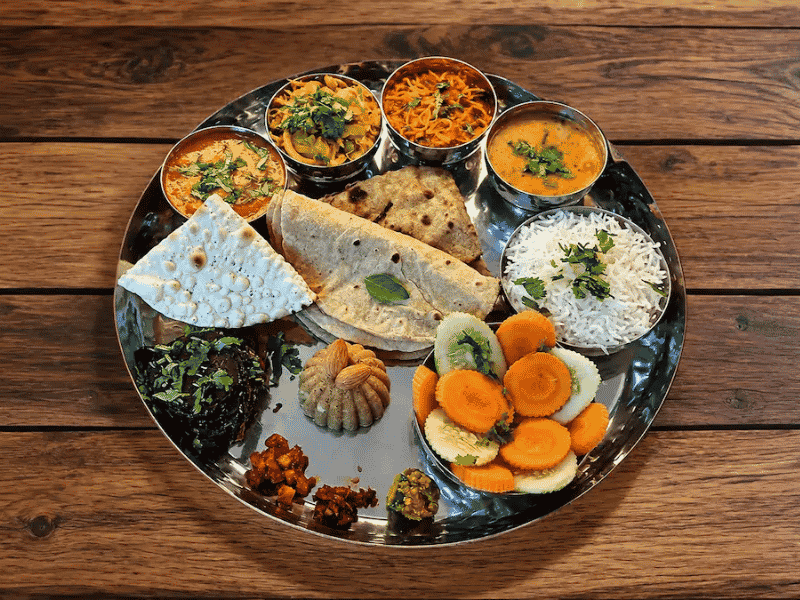
How GLP-1 Medications Are Driving Food and Beverage Innovation
As appetite-regulating medicines reshape eating patterns, food and beverage companies are redesigning portions, nutrition profiles, formats and messaging for consumers who expect more value from every bite.
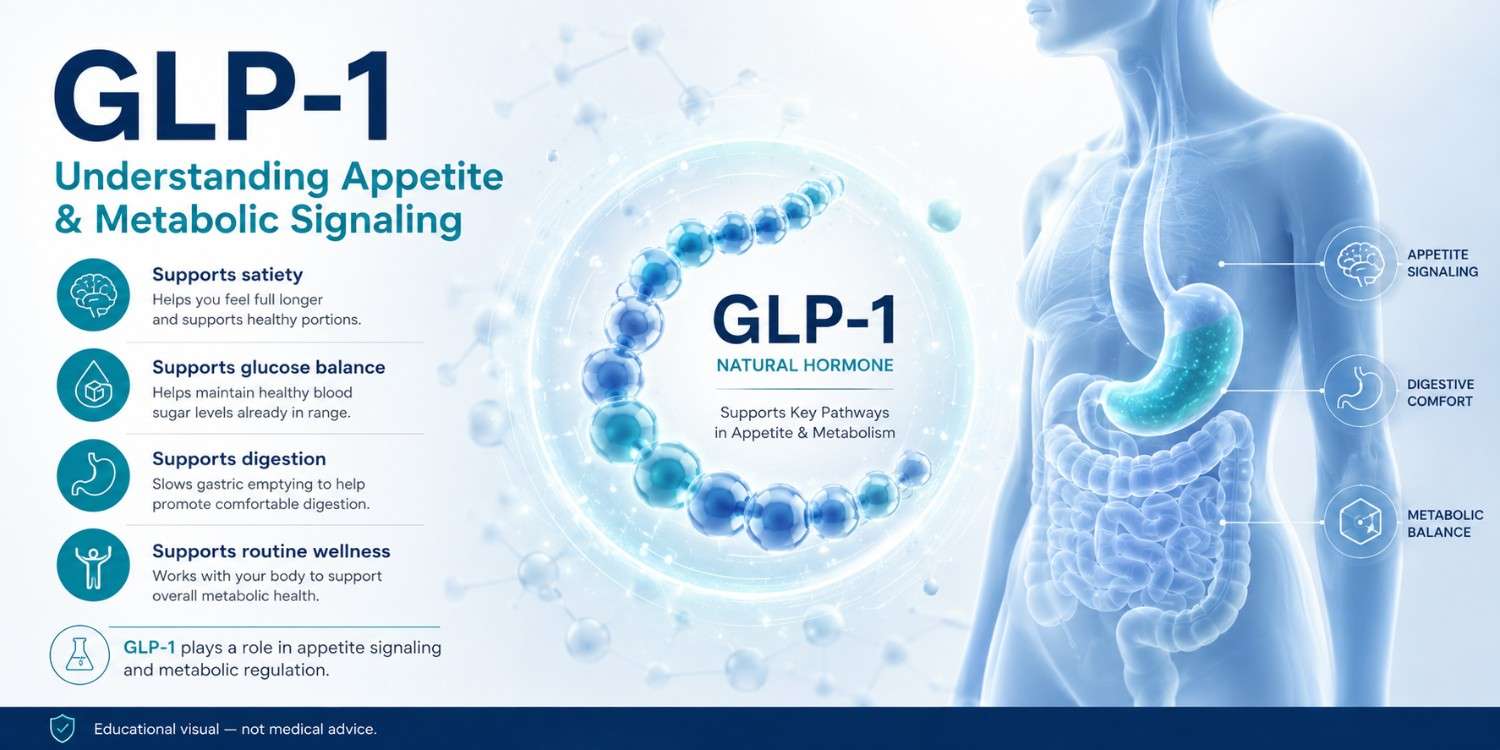
Why GLP-1 Is Changing the Food Conversation
GLP-1 receptor agonists are prescription medicines used for conditions including type 2 diabetes and, for selected products and patients, chronic weight management. They influence blood-glucose regulation, slow gastric emptying and affect appetite and satiety. Examples include semaglutide and liraglutide, while tirzepatide acts on both GIP and GLP-1 pathways.
The U.S. National Institute of Diabetes and Digestive and Kidney Diseases explains that prescription weight-management medicines are intended to complement nutrition and physical-activity support rather than replace healthy lifestyle habits.
For food companies, the commercial effect is significant. Some users may eat less, feel full sooner or become less interested in rich, sugary and highly processed foods. This does not create one universal “GLP-1 diet,” but it does create a powerful product-development brief: deliver meaningful nutrition, satisfying taste and convenience in a smaller eating occasion.
What GLP-1 Reports Reveal
A 2024 KFF poll, reported by Reuters, found that approximately one in eight adults in the United States had used a GLP-1 medication, while 6% were current users at the time of the survey. Adoption at this level can influence product innovation, retail planning and long-term brand investment.
A Cornell University and Numerator analysis of approximately 150,000 U.S. households found that grocery spending declined by about 5.5% during the first six months after GLP-1 adoption. The largest reductions were seen in snacks, sweets and calorie-dense processed foods.
According to a Food & Wine report, categories such as yoghurt, fresh produce and nutrition bars were among the least affected.
An Associated Press report examined the rise of “GLP-1 Friendly” meals and menu options. It also reported that most sales for one GLP-1-positioned frozen-meal range came from households without a medication user.
This suggests that compact, protein-rich and portion-conscious foods can attract general wellness consumers as well as people using GLP-1 medications.
Six Innovation Shifts Reshaping Food and Beverages
Products are being designed to provide protein, fibre, vitamins and minerals without requiring consumers to finish a large serving.
Mini meals, petite restaurant dishes and controlled snack packs respond to reduced appetite while potentially improving affordability and reducing food waste.
Yoghurts, shakes, soups, bars and frozen meals are highlighting protein as consumers look for practical nutrition in fewer eating occasions.
Brands are exploring fibre-rich formulations, hydration support and gentler recipes because gastrointestinal discomfort can influence food choices.
Beverage development is moving towards hydration, electrolytes, reduced sugar and functional nutrition rather than liquid calories alone.
Clear protein, fibre, calorie and portion information helps consumers compare products without relying on vague or medicalised marketing language.
“The winning product is not simply smaller. It makes every bite work harder through taste, nutrition, convenience and clarity.”
Where Whey Protein Fits
Protein beverages are well positioned within this changing landscape because they can provide convenient nutrition when consuming a full meal feels difficult. Whey isolate, in particular, can deliver protein in a relatively compact and easy-to-prepare format.
Protein also plays an important role in supporting muscle maintenance when combined with an appropriate diet and resistance-training routine. This may become especially relevant when total food intake is reduced. However, individual protein requirements depend on factors such as age, activity level, body composition, health status and overall dietary intake.
Consumers exploring a whey-isolate product for their fitness and nutrition routine can review QNT Iso Ripped Whey Isolate. It is a food supplement, not a GLP-1 medicine, treatment or replacement for a balanced diet and personalised medical guidance.
Explore QNT Iso Ripped Whey IsolateHow Beverage Innovation Is Responding
The impact of GLP-1 medications is not limited to solid food. Beverage companies are also responding to consumers who want hydration and nutrition without excessive sugar, large serving sizes or unnecessary calories.
| Innovation Area | Consumer Need | Potential Product Direction |
|---|---|---|
| Hydration | Convenient fluid intake | Low-sugar electrolyte beverages |
| Protein | Nutrition in a compact format | Protein shakes and clear protein drinks |
| Portion Control | Smaller consumption occasions | Single-serve and concentrated formats |
| Digestive Comfort | Simple and tolerable formulations | Lighter flavours and carefully selected ingredients |
The Opportunity and the Responsibility
The strongest food and beverage innovation will respond to genuine consumer needs without exploiting medical anxiety. “GLP-1 friendly” is not a universal nutritional standard, and a prominent badge cannot replace an ingredient list, nutrition panel or professional recommendation.
Companies should avoid suggesting that a food product can increase medication results, prevent side effects or meet the needs of every GLP-1 user. Instead, brands should communicate measurable nutritional facts and explain how a product may fit within a broader active lifestyle.
State measurable information such as grams of protein, fibre per serving, added sugar, calories and recommended portion size.
Design products for taste, convenience and tolerance, but never present general food guidance as personalised medical advice.
Frequently Asked Questions
GLP-1 medications are prescription medicines that act on the glucagon-like peptide-1 pathway. Depending on the medicine and its authorised use, they may be prescribed for type 2 diabetes, chronic weight management or other approved indications.
When consumers eat smaller portions, brands have an opportunity to provide more nutrition in each serving. Protein is also associated with satiety and helps support muscle maintenance as part of an appropriate diet and exercise programme.
The phrase does not represent one universal medical or nutritional standard. Consumers should review the nutrition facts, ingredient list and serving size rather than relying only on front-of-pack claims.
Suitability depends on the individual, medication, health condition, total diet and digestive tolerance. A doctor or qualified dietitian can advise whether a protein supplement is appropriate and how it should be included in the diet.
Some GLP-1 users report feeling satisfied after consuming less food. Smaller formats can help provide convenience, reduce waste and allow consumers to select portions that better match their appetite.
Yes. Smaller portions, transparent labels, higher-protein foods and lower-sugar beverages can also appeal to busy, ageing, fitness-focused and health-conscious consumers.
What Comes Next
GLP-1 medications are unlikely to produce only one new food category. Their larger impact may be a reset of product-development priorities across everyday foods and beverages.
The market is gradually moving away from maximum size and indulgence towards purposeful portions, recognisable nutrition and flexible formats. Brands that test products with real consumers, publish specific nutritional information and avoid unsupported health claims will be better positioned to serve this changing market. In this sense, GLP-1 is not only a pharmaceutical story—it is becoming a catalyst for broader food and beverage innovation.