Many People Using GLP-1 Weight Loss Drugs May Not Be Eating Enough Nutritious Food
GLP-1 medicines can reduce appetite and support weight loss, but eating less is not the same as eating well. Smaller meals still need enough protein, fibre, vitamins, minerals, and fluids to support strength, recovery, energy, and overall health.
Key Takeaways
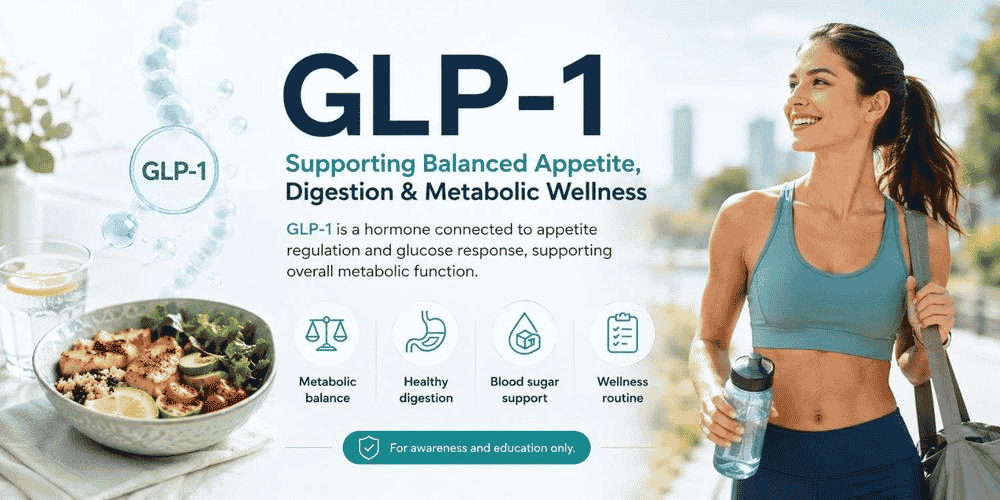
“I’m on GLP-1 and I don’t feel hungry… is that okay?”
This is one of the most common questions people have after starting GLP-1 weight loss treatment. Appetite goes down, cravings reduce, and smaller meals suddenly feel enough. For many people, that feels like progress.
But here is the part that needs attention: eating less is not the same as eating well. When GLP-1 medicines reduce appetite, many people naturally eat fewer meals, smaller portions, and lighter foods.
That can support weight loss, but it can also mean the body is not getting enough protein, fibre, vitamins, minerals, and fluids. Over time, this can lead to weakness, poor recovery, constipation, dehydration, low energy, and even muscle loss.
What Does GLP-1 Do to Your Eating Pattern?
Fullness Lasts Longer
GLP-1 medicines such as semaglutide and tirzepatide help people feel full for longer.
Appetite Reduces
Hunger can become low, so many people unintentionally eat much less than their body needs.
Digestion Slows
Slower digestion can make small meals feel enough, but nutrition quality still matters.
Important: Some people may skip meals, eat only tea, fruits, soups, toast, or small snacks, or avoid protein-rich foods because they feel heavy. That reduction may help with weight loss, but poor food quality can create a nutrition gap.
Why Can “Less Food” Become a Problem?
When someone eats less, they usually think the only result will be fat loss. But the body is more complex than that. If protein, fibre, vegetables, and water drop too low, the body may start showing signs that nutrition is not enough.
“The goal should not be eat as little as possible. The goal should be eat enough of the right nutrients in a smaller portion.”
What Is the Biggest Nutrient People Miss on GLP-1?
Protein is usually the first major nutrient that drops when appetite goes down. This is a concern because protein helps maintain muscle, support recovery, and keep the body strong during weight loss.
When protein intake becomes too low, the body may lose muscle along with fat. This is why some people lose weight but feel weak, look less toned, or end up with a skinny-fat appearance.
Protein Support Option
For people who struggle to complete protein through food, whey protein isolate may help support intake with balanced diet and expert guidance.
View Whey Protein IsolateWhy Should Weight Loss Not Mean Muscle Loss?
Metabolism Support
Muscle matters because it supports metabolism and helps the body stay active and functional.
Strength & Movement
Muscle supports posture, strength, daily movement, and body shape during weight loss.
Better Body Composition
GLP-1 users should not only track body weight. They should also focus on strength, energy, protein intake, and body composition.
Is It Only Protein, or Do Micronutrients Matter Too?
It is not only protein. When appetite drops, people may also eat fewer fruits, vegetables, dairy foods, whole grains, nuts, seeds, and iron-rich foods.
| Nutrient Area | What May Drop | Why It Matters |
|---|---|---|
| Protein | Protein-rich meals and snacks | Muscle support, recovery, strength, and body composition |
| Fibre | Vegetables, fruits, oats, whole grains, legumes, and seeds | Digestive comfort and constipation support |
| Micronutrients | Vitamin D, calcium, iron, magnesium, potassium, zinc, and other nutrients | Energy, wellness, recovery, and nutrient balance |
| Fluids | Water, soups, and electrolyte support if advised | Hydration, digestion, energy, and daily function |
Important: This does not mean everyone on GLP-1 will become deficient. It means nutrition should be planned properly, and symptoms like fatigue, dizziness, weakness, hair fall, or poor energy should not be ignored.
What Should People Eat While Using GLP-1?
The best GLP-1 diet is not a crash diet. It is a nutrient-dense diet in smaller portions.
Protein-Rich Foods
Paneer, tofu, Greek yogurt, curd, eggs, chicken, fish, soy, dal, beans, and lentils.
Fibre-Rich Foods
Vegetables, fruits, oats, whole grains, legumes, and seeds.
Fluids
Water, soups, or electrolyte support if advised by a healthcare professional.
Healthy Fats
Nuts, seeds, avocado, olive oil, or similar foods in small amounts if tolerated.
“Smaller meals should still be nutrient-rich.”
What If You Cannot Eat Big Meals?
This is very common on GLP-1. The solution is not to force a large plate. Instead, make smaller meals more nutrient-dense.
| Instead of Only | Add Protein or Nutrients | Why It Helps |
|---|---|---|
| Tea and toast | Curd, Greek yogurt, paneer, tofu, eggs, or a protein shake if needed | Makes the meal less protein-poor |
| Plain soup | Lentils, beans, tofu, chicken, or curd-based protein on the side | Adds protein and makes the meal more complete |
| Only fruit | Yogurt, nuts, or another protein source | Improves satiety and nutrient density |
How Can a Protein Suggestion Fit Into a GLP-1 Routine?
A protein supplement should not replace a balanced diet, but it can help when food intake becomes too low. This is especially useful for people who feel full quickly and cannot complete enough protein through regular meals.
A protein option like QNT Iso Ripped can be used as protein support because it provides high protein in a convenient serving. It can help users support daily protein intake and recovery as part of a structured fat-loss routine.
Protein During GLP-1
Focus on total diet quality, strength training, hydration, sleep, and medical or nutritionist guidance.
Explore QNT Iso RippedA Simple Plate Rule for GLP-1 Users
Start with Protein
Eat protein first because appetite may be low and you may not finish the full meal.
Add Fibre
Add vegetables or fruit for fibre, micronutrients, and meal quality.
Add Controlled Carbs
Choose oats, rice, roti, quinoa, or whole grains in controlled portions.
Add Small Healthy Fats
Add small amounts of healthy fats if tolerated and suitable for your plan.
When Should You Speak to a Doctor or Nutritionist?
Symptoms to Watch
Very weak, eating very little, vomiting often, losing weight too quickly, dizziness, severe constipation, hair fall, or struggling with protein and fluids.
Medical Conditions
Take extra guidance if you have diabetes, kidney concerns, liver concerns, digestive problems, anemia, thyroid issues, or any ongoing medical condition.
Important Note: GLP-1 medicines should always be used under medical supervision. Supplements, high-protein diets, and major diet changes should also be discussed with a healthcare professional if you have a medical condition.
GLP-1 Nutrition Checklist
Final Takeaway
“The goal is not just to eat less. The goal is to eat smarter.”
Many people using GLP-1 weight loss drugs may not be eating enough nutritious food, not because they are careless, but because their appetite has changed.
When hunger is low, meals become smaller. When meals become smaller, protein, fibre, vitamins, minerals, and fluids can also drop. That is where weakness, muscle loss, constipation, dehydration, and low energy can begin.
If you are on GLP-1, focus on protein first, choose nutrient-dense foods, stay hydrated, include strength training if your doctor allows it, and take expert guidance when needed. Weight loss is better when your body feels strong, nourished, and supported.
FAQs
Why do people eat less nutritious food on GLP-1?
GLP-1 medicines reduce appetite and increase fullness, so many people naturally eat smaller meals. Because of this, they may unintentionally eat less protein, fibre, vitamins, minerals, and fluids.
What is the biggest nutrition mistake on GLP-1?
The biggest mistake is focusing only on eating less and not checking food quality. Weight loss should include enough protein, vegetables, fibre, fluids, and nutrient-dense foods.
Can GLP-1 cause muscle loss?
During weight loss, the body can lose both fat and lean mass. Low protein intake and lack of strength training may increase the risk of muscle loss. That is why protein and resistance training are important during GLP-1 weight loss.
What should I eat first if my appetite is low?
Start with protein. Good options include curd, Greek yogurt, paneer, tofu, eggs, chicken, fish, soy, dal, beans, lentils, or a protein shake if food intake is too low.
Should I take supplements while using GLP-1?
Do not add supplements blindly. If your food intake is low or you have symptoms like weakness, fatigue, dizziness, hair fall, or poor recovery, speak to your doctor or nutritionist. They may suggest blood tests or specific supplements based on your needs.
References
- QNT Iso Ripped Whey Isolate Protein: https://www.qntsport.in/product/iso-ripped-whey-isolate-protein-cafe-bevarabia-2-kg/6952642c68466739734edd10
- Nutrition guidance based on protein-first meals, fibre-rich foods, hydration, nutrient density, strength training, and medical or nutritionist supervision during GLP-1 weight loss treatment.