9 Signs of Protein Deficiency in India Most People Completely Ignore
Protein deficiency can develop slowly and quietly affect energy, recovery, hair quality, strength, immunity, and overall wellness. Here are the signs many people ignore and where structured protein intake fits into modern nutrition.
Key Takeaways
Introduction
Protein deficiency is far more common in India than most people realize. Despite increasing awareness around fitness and wellness, many Indian diets still remain heavily focused on carbohydrates, processed snacks, low-protein meals, and inconsistent nutrition habits.
Most people associate protein only with bodybuilding or muscle gain, but protein plays a critical role in muscle maintenance, recovery, tissue repair, enzyme production, immune support, and healthy aging.
The biggest issue with protein deficiency is that it develops slowly. People often ignore the symptoms for months or years because they appear “normal.”
Why Low Protein Intake Matters
Low protein intake can quietly affect the way your body performs, repairs, and recovers every day.
Energy Levels
Poor protein intake may contribute to low energy and reduced physical performance over time.
Hair & Skin Quality
Protein contributes to structural support for hair, skin, nails, and connective tissues.
Workout Recovery
Active individuals need adequate protein to support muscle recovery and training adaptation.
Daily Wellness
Protein supports enzyme production, tissue repair, immune function, and long-term wellness.
9 Signs of Protein Deficiency People Often Ignore
Constant Fatigue
Persistent fatigue may be linked to poor recovery quality when dietary protein remains consistently low.
Slow Muscle Recovery
If soreness lasts too long after workouts, your recovery nutrition may need attention.
Hair Fall
Hair is primarily made of protein structures called keratin, so low protein intake may affect hair quality.
Constant Hunger
Meals low in protein often fail to provide long-lasting satiety, leading to cravings and frequent snacking.
Loss of Lean Muscle
Inadequate protein can make it harder to maintain lean muscle, especially during calorie deficits or high cardio routines.
Weak Nails & Skin
Long-term nutritional imbalance may show through brittle nails, rough skin texture, and slower tissue recovery.
Reduced Workout Performance
Low protein intake may gradually affect strength, workout intensity, stamina, and training consistency.
Frequent Illness
Protein is involved in producing enzymes, immune-support compounds, and antibodies.
Always Under-Recovered
Body heaviness, prolonged soreness, sluggishness, low workout motivation, and fatigue may reflect poor recovery balance.
How These Signs Usually Show Up
| Sign | Often Mistaken For | What to Notice |
|---|---|---|
| Fatigue | Stress, work pressure, lack of sleep, screen fatigue | Low energy despite rest and normal routine |
| Slow Recovery | Hard workouts only | Long soreness, under-recovery, difficulty progressing |
| Hair Issues | Seasonal shedding or styling damage | Weak texture, thinning, increased shedding, poor quality |
| Cravings | Lack of willpower | Constant hunger, frequent snacking, poor appetite control |
| Weak Performance | Bad training plan only | Reduced stamina, slower recovery, difficulty progressing |
Research Summary
Protein’s Role
Harvard T.H. Chan School of Public Health explains that protein plays an important role in muscle maintenance, recovery, tissue repair, enzyme production, immune support, and healthy aging.
Exercise Recovery
ISSN highlights protein intake for muscle protein synthesis, exercise recovery, training adaptation, and lean muscle maintenance.
Hair & Satiety
Inadequate protein intake may contribute to hair shedding in some individuals, while higher protein intake may support satiety and appetite regulation.
Why Protein Deficiency Is Common in India
Carb-Dominant Meals
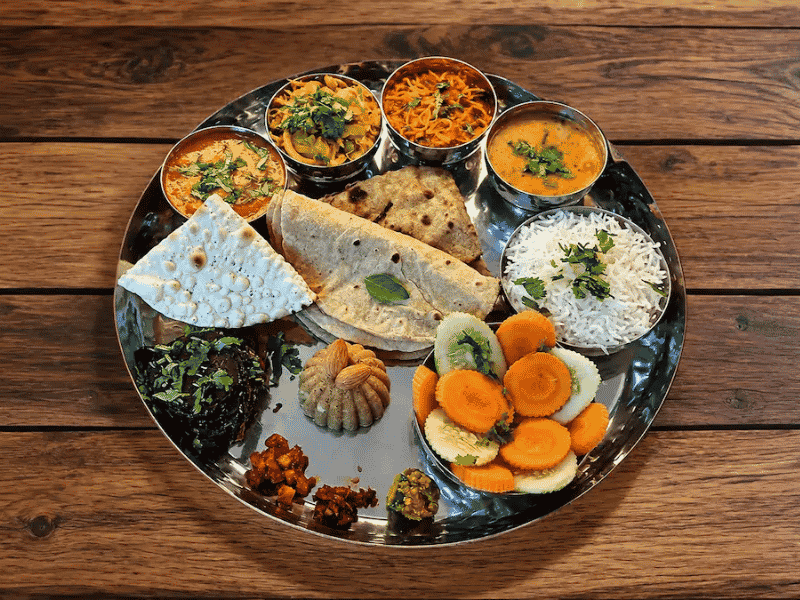
Many meals are built around rice, roti, snacks, and other carbohydrate-heavy foods.
Low Structured Protein
Protein is often not planned intentionally across breakfast, lunch, snacks, and dinner.
Inconsistent Nutrition
Busy routines, travel, poor meal timing, and low-protein diets make consistency difficult.
Important: Even physically active individuals often fail to maintain adequate daily protein intake for recovery and muscle maintenance.
Where Whey Protein Fits Into Modern Recovery Nutrition
Meeting daily protein requirements through food alone can sometimes become difficult because of busy schedules, travel, poor meal timing, and low-protein diets.
Who Uses Whey?
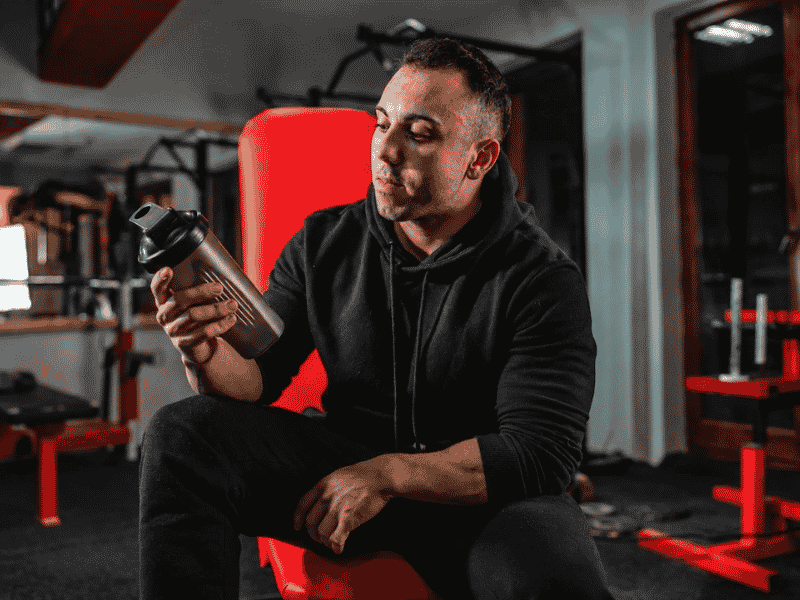
Gym beginners, active professionals, strength-training users, and recovery-focused fitness consumers.
Common Whey Types
Modern blended formulations may combine whey concentrate, whey isolate, and hydrolyzed whey.
Why It Helps
Whey supports practical daily usability, recovery-focused amino acid delivery, and lean muscle maintenance.
Products like QNT Prime Whey reflect a balanced recovery-focused approach through a triple-blend whey formulation designed around active lifestyle nutrition, daily protein support, lean muscle maintenance, and recovery-focused supplementation.
Explore Whey Protein
Browse recovery-focused whey protein options for daily protein support.
View Whey ProteinProtein Intake Checklist
Final Thoughts
“Protein deficiency often develops gradually, making it easy to ignore.”
What many people dismiss as fatigue, hair fall, weakness, poor recovery, or constant cravings may sometimes reflect long-term nutritional imbalance.
Modern nutrition is no longer only about calories, dieting, or weight changes. It is increasingly about recovery, muscle maintenance, active lifestyle support, and long-term wellness.
As awareness around fitness and recovery continues growing in India, structured protein intake is becoming one of the most important foundations of sustainable health and performance-focused lifestyles.
Frequently Asked Questions
What are the common signs of protein deficiency?
Common signs include fatigue, hair fall, slow recovery, muscle weakness, cravings, brittle nails, and poor workout performance.
Can low protein intake cause hair fall?
Yes, inadequate protein intake may contribute to weak hair quality and increased hair shedding in some individuals.
How much protein do active individuals need daily?
Protein requirements vary depending on activity level, lifestyle, and training intensity. Active individuals generally require higher protein intake than sedentary individuals.
Can whey protein help with recovery?
Yes, whey protein may help support post-workout recovery and balanced daily protein intake when combined with structured nutrition and exercise.
Is protein deficiency common in India?
Yes, low-protein dietary patterns remain common in India because of carb-heavy meals, poor nutrition awareness, and inconsistent recovery-focused eating habits.
Sources & References
- Harvard T.H. Chan School of Public Health — Protein: https://nutritionsource.hsph.harvard.edu/protein/
- Cleveland Clinic — High-Protein Foods: https://health.clevelandclinic.org/high-protein-foods/
- International Society of Sports Nutrition — Protein & Exercise: https://jissn.biomedcentral.com/articles/10.1186/s12970-017-0177-8
- American Academy of Dermatology — Hair Shedding: https://www.aad.org/public/diseases/hair-loss/insider/shedding
- National Institutes of Health — Protein and Satiety: https://pubmed.ncbi.nlm.nih.gov/18469287/
- PubMed — Protein Intake and Lean Muscle: https://pubmed.ncbi.nlm.nih.gov/22150425/
- MedlinePlus — Protein Deficiency: https://medlineplus.gov/ency/article/002467.htm
Related Articles
Protein Basics
How to Improve Daily Protein Intake in India
Read MoreRecovery Nutrition
Why Recovery Matters More Than Just Workout Intensity
Read MoreWhey Protein