You Know What’s Worse Than a Bad Workout? Fake Protein Powder
Counterfeit protein powder can waste your money, compromise product quality and expose you to unknown ingredients. Here is how to check whether your supplement is genuine.
Key Takeaways
The Hidden Risk Behind a Cheap Protein Deal
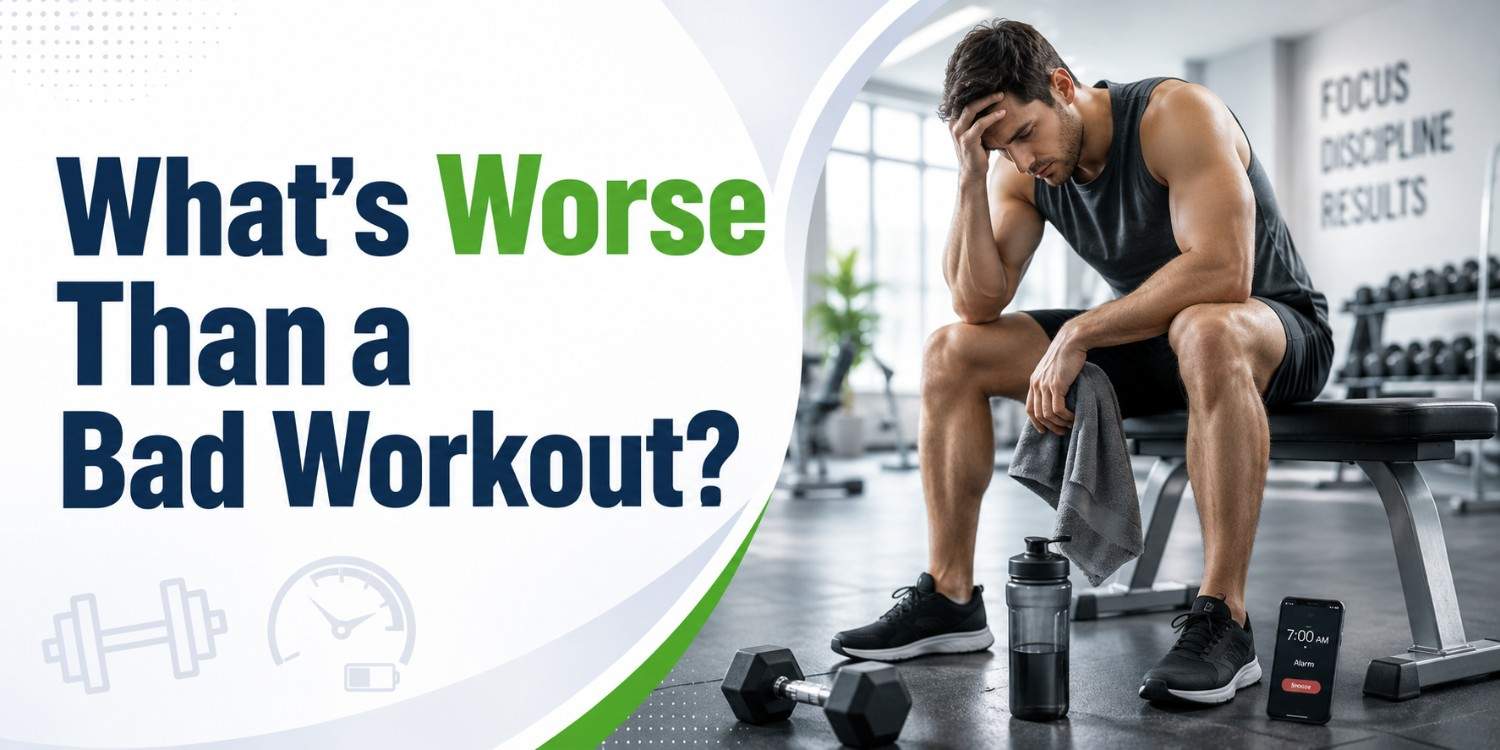
A disappointing workout may affect one training session. A counterfeit supplement can affect every serving you consume.
Fake or tampered protein powders may contain less protein than stated, substitute ingredients, undeclared fillers or products manufactured without reliable quality controls.
Many consumers may not immediately realise that a product is counterfeit. Poor mixability, unexpected taste, digestive discomfort and disappointing results may raise suspicion, but official authentication remains the most reliable first step.
Why Fake Protein Is a Serious Problem
Counterfeit supplements are not simply lower-quality versions of genuine products. Their ingredients, manufacturing conditions and storage history may be unknown.
The product may provide substantially less protein than the nutrition label claims.
Lower-cost carbohydrate powders or other ingredients may be used to increase product volume.
Counterfeit products may not follow appropriate hygiene, storage or quality-control procedures.
Flavours, colours or other substances may be present without reliable disclosure or testing.
1. Scan the QR Code and Verify the Batch Number
Legitimate brands often use QR codes, scratch codes, holograms or batch-verification systems to help consumers confirm authenticity.
Locate the Code
Find the QR, scratch code or authentication label on the packaging.
Scan or Enter
Scan the code or enter the batch details through the brand’s official system.
Check the Domain
Confirm that the page belongs to the brand’s genuine website.
Confirm the Result
Do not consume the product when verification fails or produces conflicting information.
2. Buy Only From Official or Authorised Sellers
The seller is one of the strongest indicators of whether a product has travelled through a legitimate supply chain.
- The brand’s official website
- Verified brand stores on major marketplaces
- Authorised supplement retailers
- Established stores that provide valid invoices
- Unknown Instagram or WhatsApp sellers
- Unverified marketplace accounts
- Websites with no clear business information
- Sellers offering unrealistic discounts without invoices
Saving a small amount is not worth taking a large risk with a product you consume regularly.
3. Inspect the Seal and Packaging Carefully
Counterfeiters may reproduce the general appearance of a protein tub but overlook smaller packaging details.
| What to Check | Warning Sign | Recommended Action |
|---|---|---|
| Outer seal | Loose, broken or visibly reapplied | Do not accept or consume the product. |
| Inner seal | Missing, punctured or poorly attached | Contact the seller and manufacturer. |
| Printing | Faded colours, blurry text or inconsistent fonts | Compare with official product images. |
| Label text | Spelling, grammar or formatting errors | Treat the product as suspicious. |
| Batch details | Missing, altered or inconsistent numbers | Verify directly with the brand. |
4. Check the Texture, Mixability and Smell
A sudden difference in colour, texture, taste or smell may indicate a quality, storage or authenticity issue—particularly if you have previously used the same verified product.
5. Choose Brands That Demonstrate Testing and Transparency
Transparency helps consumers understand how a supplement is manufactured, verified and supported after purchase.
Look for relevant test reports, certificates or clearly explained quality-control procedures.
The brand should provide a straightforward way to verify codes, batches or product details.
Certification claims should identify the relevant organisation or testing standard.
Consumers should be able to contact the company when packaging or authenticity appears suspicious.
Do Not Chase Cheap Protein at the Cost of Safety
Discounts are normal, but prices that are dramatically lower than every authorised seller deserve closer inspection.
A suspiciously cheap product may be counterfeit, expired, improperly stored, tampered with or sold outside the brand’s authorised distribution system.
What to Prioritise Instead of the Lowest Price
Protein Powder Buying Checklist
- Check whether the seller is authorised.
- Compare the price with official listings.
- Read the seller’s return and authenticity policy.
- Confirm that a valid invoice will be provided.
- Inspect the outer container for damage.
- Check the seal, label and batch details.
- Scan the authentication code.
- Compare the product with official packaging images.
- Confirm that the inner seal is intact.
- Check the powder for unusual colour or smell.
- Follow the storage and usage directions.
- Stop and contact the brand if anything appears suspicious.
What to Do If You Suspect Fake Protein
Stop Using It
Do not continue consuming a product when its authenticity or condition is uncertain.
Preserve the Evidence
Keep the tub, seal, invoice, seller details, batch code and photographs.
Contact the Brand
Share the batch, packaging photographs and purchase details with official customer support.
Report the Seller
Use the marketplace, retailer or appropriate consumer complaint channel when necessary.
Seek Medical Advice
Speak with a healthcare professional if you develop persistent or concerning symptoms after use.
Frequently Asked Questions
How can I confirm whether my protein powder is genuine?
Use the brand’s official QR-code, scratch-code or batch-verification system and confirm that the website domain is genuine.
Does poor mixability mean the protein is fake?
Not necessarily. Mixability can vary by formula, flavour, water temperature and storage. It should be treated as one warning sign rather than proof.
Is a very low price proof that a supplement is counterfeit?
No, but an unusually large discount can be a reason to investigate the seller, expiry date, storage conditions and authenticity more carefully.
Can counterfeit protein contain less protein than advertised?
Yes. A counterfeit product may substitute lower-cost ingredients or provide nutrition that does not match the original label.
Should I use a protein tub if the seal is broken?
No. A damaged or missing seal may indicate tampering, contamination or improper handling.
Where is the safest place to buy protein powder?
Buy from the brand’s official website, verified marketplace store or an authorised supplement retailer that provides a valid invoice.
What should I do when a QR code does not work?
Do not consume the product until the manufacturer confirms its authenticity using the batch number and purchase details.
Can packaging alone prove that a product is genuine?
No. Counterfeiters may closely copy genuine packaging, so official authentication and seller verification remain essential.
Final Takeaway
Protein powder is something many people consume regularly, so authenticity and manufacturing quality should never be treated as minor details.
The safest approach is simple: verify the product, buy from an authorised source, inspect the packaging and choose brands that communicate testing and quality controls clearly.
Do not chase the cheapest protein. Choose a product that is safe, traceable and verified.