Key Takeaways
Choosing the Right Protein Powder
Choosing between plant protein and whey protein can feel confusing, especially at the beginning of a fitness journey. Whey is commonly presented as the standard option for muscle building, while plant protein is often promoted as a cleaner or more natural alternative.
The truth is more balanced. Both can support muscle recovery and daily protein intake. The better choice depends on your dietary preferences, digestion, training goals, budget and product quality.
What Is Whey Protein?
Whey is a milk-derived protein produced during cheese manufacturing. Its main forms are whey protein concentrate, whey protein isolate and whey hydrolysate.
Complete Amino Acids
Whey provides all nine essential amino acids needed to support muscle repair.
High Leucine Content
Leucine supports the signalling involved in stimulating muscle protein synthesis.
Rapid Digestion
Whey is a convenient, rapidly digested option when protein is needed around training.
Strong Research Base
Milk proteins have been associated with muscle and strength improvements alongside resistance training.
What Is Plant Protein?
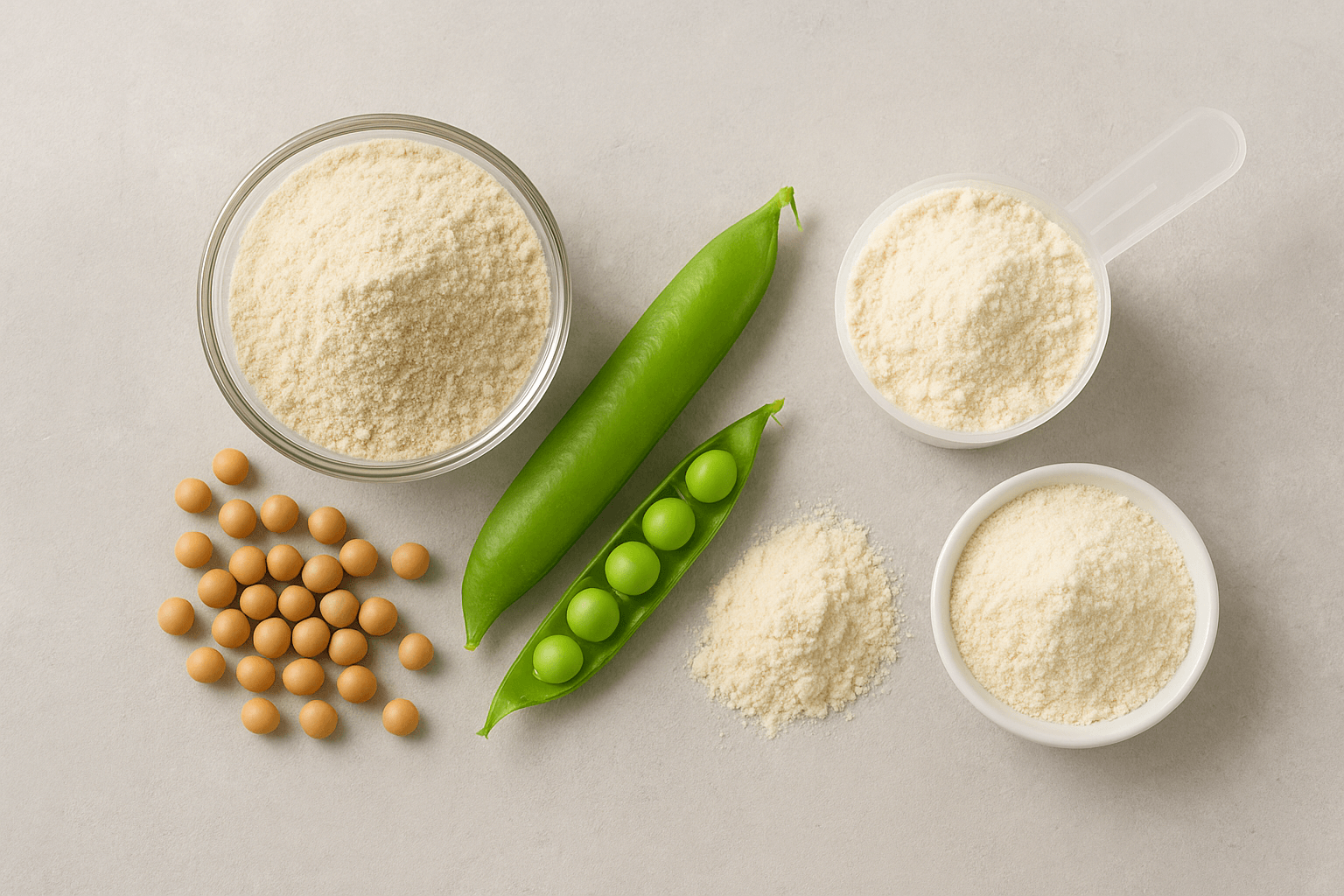
Plant protein powders are produced from peas, soy, brown rice, hemp, potatoes, seeds and other plant sources. They are commonly chosen by vegans, vegetarians, people avoiding dairy and those who prefer plant-based nutrition.
Pea Protein
A popular dairy-free option that is relatively lower in methionine.
Rice Protein
Often blended with pea protein because rice may be lower in lysine.
Soy Protein
Supplies all essential amino acids and has performed similarly to milk protein in several comparisons.
Blended Protein
Combining complementary plant sources can create a more balanced amino acid profile.
Plant Protein vs Whey Protein
| Factor | Whey Protein | Plant Protein |
|---|---|---|
| Source | Derived from milk | Derived from peas, soy, rice, hemp or other plants |
| Amino Acids | Complete and naturally high in leucine | Depends on source; blends can improve completeness |
| Digestion | Usually rapidly digested | Varies according to source and processing |
| Dietary Suitability | Not suitable for vegan diets | Suitable for vegan and dairy-free diets |
| Lactose | Concentrate may contain more; isolate usually contains less | Naturally lactose-free |
| Muscle Support | Strong research base | Effective when quality and dosage are adequate |
| Texture | Usually smoother | Some products may be thicker or grainier |
“The best protein is not automatically the one that absorbs fastest. It is the one that matches your diet, digestion and daily protein needs.”
Is Whey Always Better for Muscle Growth?
Whey has practical advantages, particularly its leucine content, rapid digestion and extensive research base. However, this does not mean that plant protein cannot support muscle development.
Total daily protein, resistance training, energy intake and consistency have a major influence on results. A protein that appears ideal on paper will not help if it causes digestive discomfort, conflicts with your diet or is not used consistently.
What About the Post-Workout Anabolic Window?
You do not need to drink whey within a few minutes of finishing a workout. Protein around the training period can be useful, but the anabolic window is not as narrow as supplement marketing often suggests.
Train
Resistance exercise creates the stimulus for muscle adaptation.
Consume Protein
A quality protein serving can be consumed within approximately zero to two hours.
Distribute Intake
Additional protein servings can be distributed every three to five hours.
Meet Daily Needs
Total daily protein is more important than drinking a shake immediately.
Which Protein Is Easier to Digest?
Whey Digestion
People with lactose intolerance may tolerate whey isolate better than concentrate because isolate generally contains less lactose.
Plant Protein Digestion
Plant protein is not automatically easier to digest. Powders, gums, sweeteners or large smoothies may cause bloating in sensitive people.
How to Choose a High-Quality Protein Powder
- ✓ Protein amount per serving
- ✓ Protein compared with total serving size
- ✓ Added sugar and total calories
- ✓ Dietary and allergen suitability
- ✓ Complete ingredient list
- ✓ No unnecessary proprietary blends
- ✓ Credible independent testing
- ✓ Flavour and texture you can use consistently
Frequently Asked Questions
Is plant protein good for muscle building?
Yes. Plant protein can support muscle building when it provides sufficient essential amino acids and helps meet your total daily protein requirement. Blended formulas can improve amino acid balance.
Is whey protein better than pea protein?
Whey usually provides more leucine and a naturally complete amino acid profile. Pea protein can still support training goals when used in an adequate dose or blended with a complementary plant source.
Can women take whey protein?
Yes. Whey is concentrated milk protein and is not limited to men. Research in women has found modest improvements in lean mass without a significant increase in fat mass.
Is plant protein better for lactose intolerance?
Plant protein is naturally lactose-free. Some people with lactose intolerance may also tolerate whey isolate, but individual responses vary.
Can you mix plant protein and whey protein?
Yes. Mixing them is possible when both suit your digestion and dietary preferences. It is not necessary when one product already meets your protein needs.
How much protein powder should beginners use?
There is no universal scoop requirement. Use enough to fill the gap between food intake and your daily protein target, based on the label, body weight, activity and overall diet.
Final Verdict
Whey protein is a convenient, complete and leucine-rich option with a strong research base for supporting muscle recovery and resistance-training adaptations.
Plant protein is suitable for vegans, people avoiding dairy and anyone who prefers plant-based nutrition. Soy and carefully formulated plant blends can provide a balanced essential amino acid profile and support meaningful fitness results.
For most people, whey offers efficiency, while plant protein offers dietary flexibility. Both can support your fitness goals when the product is high quality, the serving is appropriate and total daily protein needs are met.
Research References
- National Institutes of Health guidance on whey, soy, amino acids and athletic performance.
- Meta-analysis comparing animal and plant protein for muscle mass, strength and physical performance.
- Research synthesis examining milk proteins and resistance-training outcomes.
- Meta-analysis comparing protein intake before and after resistance exercise.
- Meta-analysis examining whey-protein supplementation and body composition in women.