Why Turning 50 Is the Perfect Time to Regain Control of Your Weight
Weight management after 50 can feel different, but it is far from impossible. Smart nutrition, resistance training, regular movement, quality sleep and realistic habits can help you protect muscle and work towards a healthier body composition.
Key Takeaways
Turning 50 Is Not the End of Progress
Losing weight after age 50 may feel more challenging than it did when you were younger, but it is far from impossible.
Changes in muscle mass, hormones, lifestyle and daily activity can influence how many calories you use and how easy it feels to manage body weight. The answer is not to fight ageing with extreme diets—it is to adapt your strategy.
A sustainable approach focuses on preserving muscle, eating enough high-quality protein, keeping physically active, managing overall calorie intake and building habits you can maintain for years rather than weeks.
The Challenges of Losing Weight After 50
Your body does change with age, but the idea that your metabolism suddenly “switches off” at 50 is too simplistic.
Changes in body composition, physical activity and muscle mass can reduce daily energy expenditure over time. Hormonal changes may also influence appetite, fat distribution, sleep and exercise recovery.
1. Metabolic and Hormonal Changes
With ageing, some people gradually become less active and lose metabolically active muscle tissue. Together, these changes can reduce daily calorie requirements.
Hormonal changes around menopause in women and gradual changes in sex hormones in men can also influence body composition. For example, menopause is often associated with changes in where body fat is stored.
These changes may make weight management feel different, but they do not make fat loss physiologically impossible.
2. Loss of Muscle Mass
Muscle mass and strength can decline progressively with age, especially in people who are physically inactive.
Clinically significant age-related loss of muscle, strength and physical function is known as sarcopenia.
Maintaining muscle matters not only for appearance or metabolism. Strong muscles help support balance, mobility, independence and the ability to perform everyday tasks.
Why Muscle Should Be a Priority After 50
Maintaining muscle makes daily activities such as carrying bags, climbing stairs and getting up from a chair easier.
Preserving lean tissue while losing weight can help improve the quality of weight loss.
Strength plays an important role in maintaining physical function and independence.
Stronger muscles make it easier to stay active and maintain a varied exercise routine.
Concrete Advice for Effective Weight Management After 50
The most effective strategy is usually not a completely new diet. It is improving the quality, quantity and consistency of the foods you already eat.
Increase Your Protein Intake
Protein becomes particularly useful during weight loss because it provides amino acids needed to maintain and repair muscle tissue.
Protein-rich meals can also be satisfying, which may make a calorie-controlled diet easier to maintain.
Choose Carbohydrates More Carefully
You do not need to remove carbohydrates to lose weight.
Instead, prioritise higher-fibre choices such as whole grains, pulses, vegetables and fruit while limiting foods that provide large amounts of refined carbohydrate, added sugar and calories with little nutritional value.
Eat More Fibre-Rich Foods
Fibre-rich foods can support digestive health and make meals more filling.
Vegetables, fruits, beans, lentils, whole grains, nuts and seeds are useful ways to increase dietary fibre while improving overall nutrient density.
A Simple Plate Structure
Include a meaningful protein source at each main meal.
Use vegetables to increase fibre, micronutrients and meal volume.
Add an appropriate serving of whole grains, pulses or other carbohydrate sources.
Include moderate amounts from foods such as nuts, seeds and appropriate cooking oils.
Exercise After 50: Combine Movement With Strength
Exercise during a weight-management programme should do more than burn calories. It should help preserve the physical abilities you want to keep as you age.
Accessible cardio that can increase daily movement and support aerobic fitness.
Offers cardiovascular exercise with relatively low impact on many joints.
Can support flexibility, mobility, balance and body awareness.
Helps preserve or build muscle and should be an important part of healthy ageing.
Aim for a Balanced Weekly Routine
A practical target for many adults is around 150 minutes of moderate-intensity aerobic activity per week, alongside regular muscle-strengthening exercise.
Your starting point may be lower, especially if you are currently inactive. Gradual progression is usually more sustainable than trying to jump immediately into an intense programme.
Example Week for Fitness After 50
| Day | Focus | Example |
|---|---|---|
| Monday | Strength | Full-body resistance training |
| Tuesday | Cardio | 30–40 minute brisk walk |
| Wednesday | Mobility | Yoga, Pilates or light mobility work |
| Thursday | Strength | Full-body resistance training |
| Friday | Cardio | Walking, cycling or swimming |
| Saturday | Active Day | Long walk, recreational activity or light cardio |
| Sunday | Recovery | Rest or gentle movement |
This is an example only. Exercise frequency and intensity should be adapted to individual fitness, medical history and recovery.
Manage Stress and Improve Sleep
Stress and poor sleep can make weight management more difficult by affecting appetite, cravings, mood, exercise motivation and daily energy.
Rather than blaming a single hormone such as cortisol for weight gain, it is more useful to focus on habits that support better sleep and stress management.
Try to maintain reasonably consistent sleep and wake times throughout the week.
A calmer pre-sleep routine may make it easier to wind down.
Mindfulness or breathing exercises can form part of a broader stress-management routine.
Mistakes to Avoid When Losing Weight After 50
Aggressive restriction can make it harder to get enough protein, fibre, vitamins and minerals and may increase the risk of losing lean tissue along with body fat.
Cardio is valuable, but resistance exercise deserves a place in your programme if protecting muscle and strength is a priority.
Regular fluid intake supports normal physical function and exercise performance. Hydration needs vary with climate, activity and individual health.
Supplements may add convenience or help fill specific nutritional gaps, but they cannot compensate for an inconsistent diet or activity pattern.
Products and Supplements After 50
Supplements can be useful when they solve a specific nutritional problem. They should not automatically be added simply because you have reached a certain age.
Protein Supplements
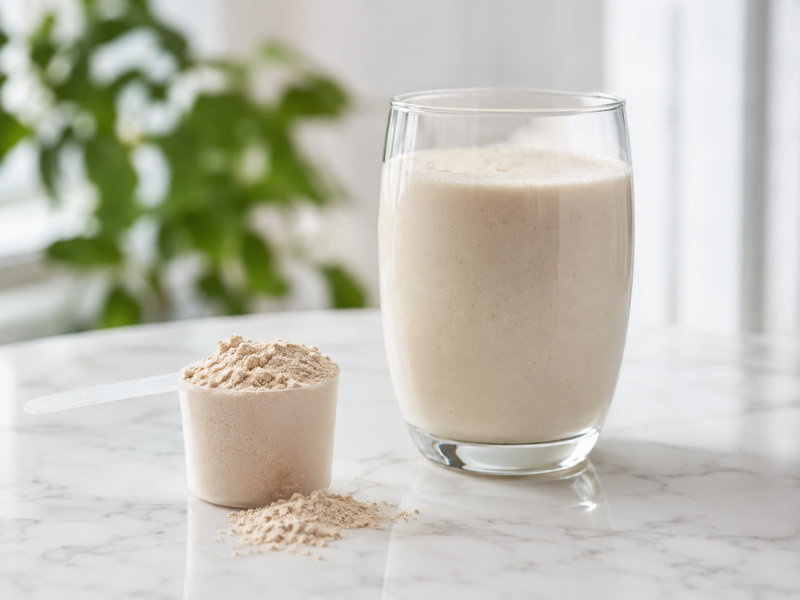
Whey, casein and suitable plant-based protein powders can help people who struggle to meet daily protein requirements through regular meals.
Their main advantage is convenience. The powder itself does not cause fat loss; it simply provides protein that can fit into an appropriately designed diet.
Vitamins and Minerals
Vitamin D, calcium, magnesium and B vitamins all have important roles in normal physiology, but taking more does not automatically improve metabolism or accelerate weight loss.
Supplementation is most useful when dietary intake is inadequate, requirements are increased or a deficiency has been identified. Individual needs should guide the decision.
What Matters Most for Weight Loss After 50?
| Priority | Why It Matters |
|---|---|
| Sustainable Calorie Control | Body-fat reduction requires energy intake to remain below energy expenditure over time. |
| Adequate Protein | Supports muscle maintenance and makes it easier to build balanced meals. |
| Resistance Training | Provides the stimulus needed to maintain or improve muscular strength. |
| Daily Movement | Walking and general activity contribute meaningfully to total energy expenditure. |
| Sleep & Recovery | Supports appetite management, energy and exercise consistency. |
| Patience | Realistic, repeatable habits usually matter more than rapid short-term weight loss. |
Frequently Asked Questions
Is it harder to lose weight after 50?
It can feel more challenging because muscle mass, activity levels, sleep and hormonal changes may affect calorie needs and body composition. However, weight loss remains possible with appropriate nutrition and activity.
Does metabolism slow down after 50?
Daily energy needs can decline over time, particularly when muscle mass and physical activity decrease. Age itself is only one part of the picture.
What are the best exercises for weight loss after 50?
A combination of resistance training, aerobic exercise and regular daily movement is generally more balanced than relying on one exercise type alone.
Should I lift weights after 50?
Resistance training can be highly valuable for maintaining muscle and strength. Beginners should start at an appropriate level and may benefit from qualified instruction.
What foods should I avoid when trying to lose weight?
You do not necessarily need to ban specific foods. It is usually more practical to limit frequent intake of highly processed, calorie-dense foods, excessive added sugar and alcohol while prioritising nutrient-rich meals.
Is protein powder useful after 50?
It can be useful when regular food does not provide enough protein or convenience is important. It is a protein source, not a fat-loss treatment.
Can menopause make weight management harder?
Menopause can influence body-fat distribution, sleep and other factors related to weight management, but sustainable changes in diet and physical activity remain useful.
Do I need supplements to lose weight after 50?
No. Supplements are optional. A structured diet, sustainable calorie deficit, resistance training and regular movement remain the main drivers of body-fat reduction.
Final Takeaway
Turning 50 does not mean losing control of your weight. It means your strategy may need to evolve.
Instead of chasing drastic diets, focus on protecting muscle, eating enough protein, controlling overall calorie intake, staying active and giving your body sufficient recovery.
Progress may look different from your 20s or 30s, but a stronger, healthier and more sustainable version of fitness is still achievable.