Key Takeaways
Why the Same Shake Can Taste Different
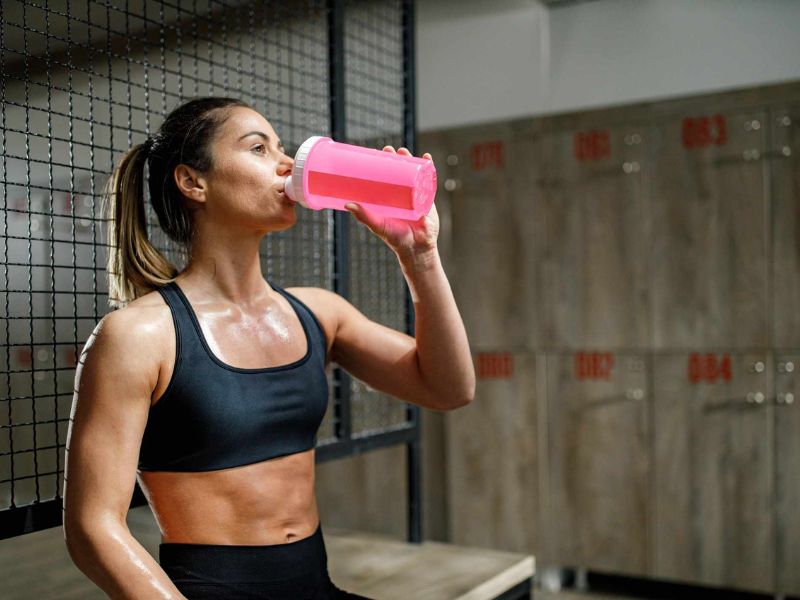
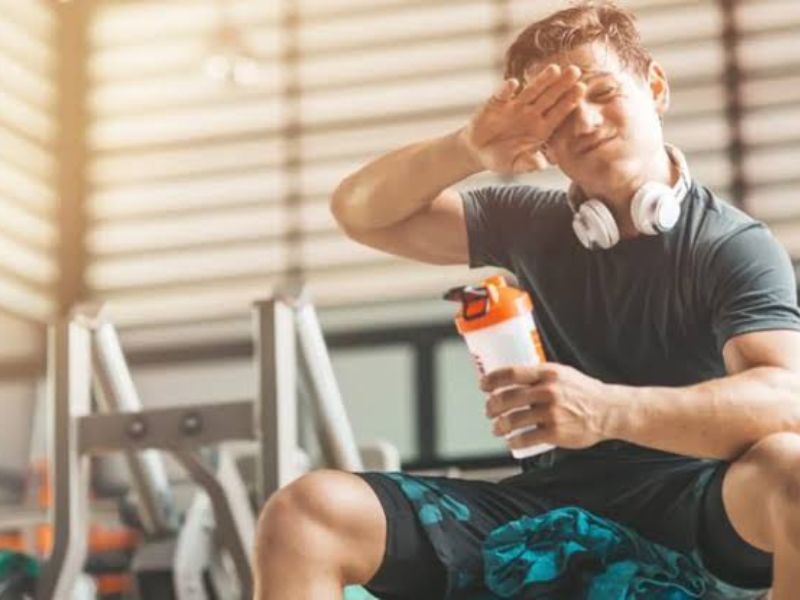
You use the same protein powder, shaker and amount of water. Before training, the shake tastes smooth and balanced. After a demanding workout, it may suddenly seem sweeter, more bitter, unusually dry or slightly chalky.
The powder has probably not changed. Your mouth and sensory system may have.
Exercise can temporarily influence taste perception, saliva flow, oral moisture and temperature. These changes may alter how flavour and texture are experienced immediately after training.
“The same protein powder can create a different sensory experience when hydration, saliva and mouth temperature have changed.”
Exercise Can Temporarily Change Taste Perception
Taste is not a fixed response. Hydration, hunger, recent food intake, exercise intensity and the condition of the mouth can all affect it.
Sweetness
A familiar flavour may taste sweeter, weaker or less pleasant after exercise.
Bitterness
Artificial-sweetener or ingredient aftertastes may become more noticeable.
Individual response
The effect depends on the person, workout intensity and product formulation.
Hydration Changes How Your Mouth Feels
Saliva dissolves flavour compounds, carries them toward taste receptors and lubricates the mouth. Exercise—particularly in warm conditions—may reduce oral moisture or leave saliva feeling thicker and stickier.
Why Whey Can Feel Dry or Astringent
The dry, rough or puckering sensation sometimes associated with protein drinks is called astringency. It is a mouthfeel rather than a basic taste.
Whey proteins can interact with salivary proteins and reduce lubrication inside the mouth. This may increase friction and create a drying sensation, particularly in some acidic whey beverages.
| Product factor | Possible sensory effect |
|---|---|
| Protein concentration | Higher concentration may create a thicker mouthfeel. |
| Acidity | Some acidic formulas may feel more astringent. |
| Flavour system | Sweetness and aftertaste may differ between formulations. |
| Processing and whey type | Two powders with similar protein amounts may feel noticeably different. |
Temperature Can Change Flavour Perception
A shake mixed with very cold water may not taste the same as one consumed at room temperature. Temperature can influence sweetness, aroma and the refreshing quality of a drink.
Chilled water
May feel more refreshing after exercise, especially in warm conditions.
Cool water
May balance refreshment with noticeable flavour intensity.
Room temperature
May make sweetness and aroma more noticeable to some people.
Mixing Method Also Matters
Not every unpleasant shake is caused by exercise. Too little water creates a thicker drink, insufficient shaking leaves particles or clumps, and allowing the mixture to sit may change its consistency.
Measure
Use the same water quantity each time.
Add liquid
Pour the water before adding powder.
Shake
Mix thoroughly for a consistent texture.
Drink promptly
Avoid leaving the prepared shake too long.
Clean
Wash the shaker to prevent lingering odours.
Using milk instead of water may create a creamier shake, but it also changes calories, sweetness, digestion and overall flavour.
How to Improve a Post-Workout Shake
Frequently Asked Questions
Why does my protein shake taste sweeter after exercise?
Exercise may temporarily influence sweet-taste intensity and preference. Dehydration, temperature and changes in saliva may also alter the experience.
Why does whey protein make my mouth feel dry?
Whey proteins can interact with saliva and create an astringent or drying sensation. A dry mouth after training may make it more noticeable.
Does adding more water improve the taste?
It can reduce thickness, sweetness and flavour concentration. Add water gradually to avoid making the shake excessively diluted.
Is a chalky texture a sign of poor-quality protein?
Not automatically. Water quantity, mixing, protein concentration, formulation and oral dryness can all affect texture.
Final Word
Your protein shake may taste different after training because exercise changes more than your muscles. Taste perception, saliva, hydration and mouth temperature may all shift temporarily.
Use consistent measurements, stay hydrated and test different water temperatures before changing products. The best shake is one you can digest, enjoy and use consistently.