
How to Lose Belly Fat Naturally: A Sustainable Guide to Diet, Exercise and Everyday Habits
Build a realistic routine around balanced meals, regular movement, strength training and recovery—without crash diets or promises of targeted fat loss.
Start With Habits You Can Maintain
You can do crunches every morning, skip rice at lunch and avoid your favourite foods for weeks, yet see little change around your waist. That can be frustrating, but it does not necessarily mean you are doing everything wrong.
Belly fat loss rarely works like a fitness reel promises. A practical approach combines balanced eating, regular movement, strength training and recovery. The aim is to make sensible adjustments you can maintain beyond a few motivated weeks.
Understand What Belly Fat Means
Subcutaneous Fat
Fat stored beneath the skin, including the softer layer you can pinch around your waist.
Visceral Fat
Fat stored deeper inside the abdomen, around internal organs. Excess visceral fat is associated with higher risks of conditions including type 2 diabetes and cardiovascular disease.
Waist circumference, blood pressure, blood glucose and other health markers provide context beyond appearance or body weight alone. Mayo Clinic notes that a larger waist measurement is generally associated with greater health risks.
Why Crunches Alone Will Not Reduce Belly Fat
Doing 100 crunches does not instruct your body to burn fat specifically from your stomach. Abdominal exercises strengthen your core, but they cannot independently remove the fat covering it.
Where fat comes off first depends on factors including genetics, hormones and individual fat distribution. A broader approach supports overall fat loss while helping preserve muscle.
How to Eat for Sustainable Belly Fat Loss
You do not need to abandon roti, rice or home-cooked Indian meals. Start by improving the balance and portions of foods you already eat.
Build Balanced Meals
Include a protein source, vegetables, fibre-rich foods and an appropriate carbohydrate portion. Options include dal and sabzi with roti, curd rice with a protein-rich side, eggs with whole-wheat toast, or paneer with vegetables.
Prioritise Protein
Eggs, fish, chicken, curd, paneer, tofu and soya chunks can help meet your needs. Protein supports muscle maintenance, particularly when strength training while eating fewer calories.
Make Fibre a Daily Habit
Vegetables, fruit, oats, beans, lentils and whole grains supply fibre that supports digestive health and can help meals feel satisfying.
Notice Portions and Extras
Cooking oil, frequent handfuls of namkeen, sugary drinks and unplanned snacks can add energy. Notice patterns and adjust portions without eliminating every food you enjoy.
Which Exercises Help Reduce Belly Fat?
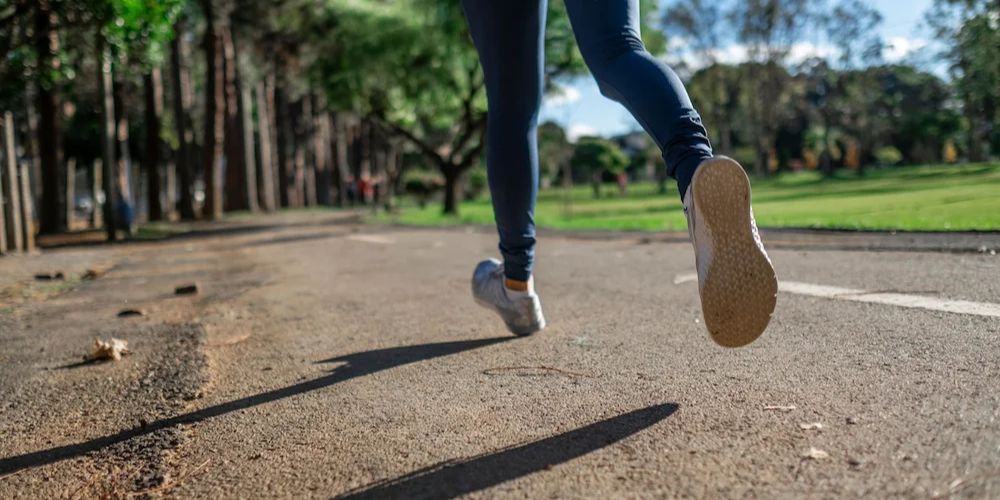
Build a combination of aerobic activity, strength training and everyday movement. You can begin with a simple routine and increase activity gradually.
| Activity | Practical examples | How it helps |
|---|---|---|
| Aerobic exercise | Brisk walking, cycling or swimming | Supports fitness and overall energy expenditure. Start with manageable durations. |
| Strength training | Squats, lunges, rows, push-ups and resistance bands | Strengthens major muscle groups and helps preserve muscle during weight loss. |
| Core exercises | Planks, dead bugs and crunches | Strengthens abdominal muscles without selectively burning stomach fat. |
| Daily movement | Stairs, walking breaks and moving between periods of sitting | Adds activity throughout the day without requiring a formal gym session. |
The Everyday Habits That Support Progress
Sleep
Too little sleep can make appetite regulation and healthy routines harder. Create a consistent bedtime and aim for sufficient rest.
Stress Management
Stress can affect sleep, eating and activity. Walking, relaxation, social connection and protected downtime may help you maintain your routine.
Consistency
Crash diets and detox teas do not provide a sustainable shortcut. Severe restriction can leave you hungry and fatigued; manageable changes are easier to maintain.
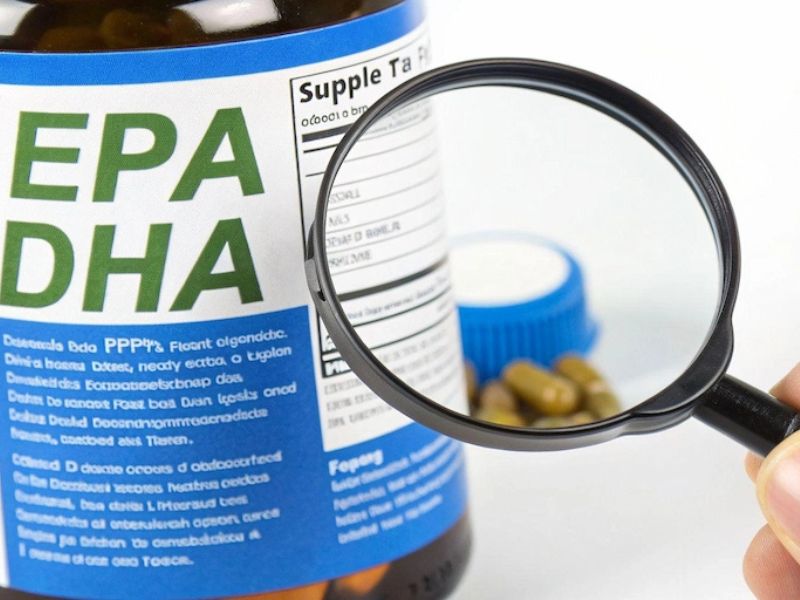
Supplements should complement a balanced diet. QNT Omega-3 Fish Oil may suit someone looking to supplement omega-3 intake, depending on diet and individual needs. It is not a targeted belly-fat-loss solution.
The CDC’s healthy-weight guidance brings nutrition, physical activity, sufficient sleep and stress management together rather than treating any one habit as a complete solution.
A Simple Action Plan for This Week
Choose two or three actions to begin with. Build on them as they become comfortable rather than trying to perfect everything overnight.
- 01 — Balance Main Meals
Include a protein source and vegetables alongside appropriate portions of other foods.
- 02 — Make Walking Regular
Try 10–20 minutes daily, adjusting the duration and pace to your current fitness.
- 03 — Schedule Strength Sessions
Plan two beginner-friendly sessions using suitable bodyweight, band or gym exercises.
- 04 — Notice Food Patterns
Observe portions, snacks and sugary drinks without judging yourself.
- 05 — Establish a Sleep Routine
Work towards a more consistent bedtime and enough rest.
- 06 — Review Broader Progress
Track waist measurements periodically alongside energy, strength and how clothes fit.
How Long Does It Take to Lose Belly Fat Naturally?
There is no universal timeline. Starting body composition, genetics, sleep, activity, nutrition and health all influence progress. Look for gradual changes over weeks and months rather than expecting a transformation in seven days.
Measure your waist under similar conditions and at reasonable intervals. Repeated checks throughout the day are unlikely to provide a useful picture of fat loss.
Frequently Asked Questions
How can I lose belly fat naturally?
Combine balanced meals, a manageable calorie deficit, regular aerobic activity, strength training, adequate sleep and stress management. You cannot selectively choose where your body loses fat.
What should I eat to reduce belly fat?
Include protein-rich foods such as eggs, dal, curd, paneer, tofu, fish or chicken, alongside vegetables, fruit, whole grains and other fibre-rich foods. Pay attention to portions while maintaining a balanced diet.
Which exercises help reduce belly fat?
Walking, cycling, swimming and other aerobic activities support overall fat loss. Strength training helps preserve muscle, while core exercises strengthen abdominal muscles without selectively burning belly fat.
Can you lose belly fat without going to the gym?
Yes. Walking, home-based strength exercises, resistance bands and regular daily movement can support fat loss. Gym access is not essential; consistency and an appropriate overall routine matter.
How long does it take to lose belly fat naturally?
It varies. Changes may become noticeable over several weeks or months, but no fixed timeline applies to everyone. Sustainable habits are more useful than crash diets or guaranteed results.