7 Ways to Choose the Best Multivitamin for Men in India: What to Check Before You Buy
Compare nutrient amounts, serving sizes, ingredient transparency and quality information to find a formula that fits your actual needs.
Does the Formula Actually Suit You?
A multivitamin can look impressive: a long nutrient list, bold energy and immunity claims, and plenty of percentages. Before buying, ask whether it suits your diet, age and lifestyle.
Choosing the best multivitamin for men in India means understanding what your diet may be missing, how much of each nutrient is appropriate and whether the complete formula fits your circumstances. These seven checks can help.
1. Start With the Nutrient Profile
Evaluate what the product contains rather than what the front of the bottle promises. A formula may include vitamins A, C, D, E and B-complex vitamins, alongside minerals such as zinc, iodine and selenium. The appropriate combination depends on your needs.
Review Your Usual Meals
A varied diet containing eggs, dairy, fish, meat, vegetables, fruit, pulses and whole grains may present different gaps from a restrictive diet or frequent meal skipping.
Give B12 Specific Attention
Men eating little or no animal-source food should assess vitamin B12, whose natural food sources are predominantly animal-based. This identifies a nutrient to review without automatically establishing a need for a multivitamin.
Your next check: Compare the formula with plausible gaps in your diet. More ingredients do not automatically make it better.
2. Check Dosages and %RDA Carefully
Two products can list the same nutrients yet provide very different amounts. Read quantities per serving and compare them with relevant Indian dietary recommendations, accounting for the reference value, age group and serving size.
Megadoses of vitamin C, zinc or vitamin A do not automatically produce more energy, stronger immunity or better results. Excessive intake of certain nutrients can cause adverse effects, particularly when multiple supplements overlap.
Your next check: Compare the amount of each nutrient, rather than simply confirming that its name appears on the label.

3. Look Beyond the Nutrient Name to Its Form
Minerals can appear as citrate, oxide or other compounds, while vitamins also have different forms. These differences can affect absorption, tolerability and the elemental mineral amount provided.
No form is automatically superior in every situation. Be cautious of “maximum absorption” claims without meaningful supporting evidence.
4. Choose for Your Needs, Not Just a Men’s Label
A product marketed for men is not necessarily better suited to every man than a general adult formula. Age, diet, activity and health all affect what deserves attention.
| Your circumstances | What to consider |
|---|---|
| Vegan or limited animal-source foods | Assess vitamin B12 intake and your overall dietary pattern. |
| Mostly indoor lifestyle | Review vitamin D intake and individual circumstances, including fortified or vitamin D-rich foods. |
| Regular gym training | Prioritise adequate overall nutrition. Training does not automatically require high doses of every nutrient. |
| Changing age or health needs | Review your food intake, health and any specific nutritional concerns with a qualified professional when appropriate. |
Your next check: Judge suitability by the nutrient profile and amounts, rather than promises of instant stamina or muscle growth.
5. Demand Ingredient Transparency
The label should explain what you will take and how much you will receive. Check these details before comparing marketing claims.
- Quantity of each vitamin and mineral per serving.
- Recommended serving size and directions.
- Complete ingredients, including other added ingredients.
- Allergen information and relevant warnings.
- Whether proprietary blends hide individual quantities.
6. Verify Quality, Testing and Authenticity
Assess the purchase as carefully as the formula. Look for an authentic product, complete labelling and clear information about manufacturing quality controls.
- 01 — Check the Pack
Inspect manufacturer details, batch number, expiry date and packaging integrity.
- 02 — Review Applicable Information
Check relevant FSSAI licence or registration information and verify quality claims.
- 03 — Verify Testing and Seller
Ask what was tested and by whom. Prefer the official store or an authorised seller.
A regulatory licence, certification or attractive badge does not prove every advertised benefit. This distinction is especially useful when unfamiliar sellers offer similar-looking products online.
7. Compare Value Per Day
Compare cost per recommended serving, the number of servings, nutrient amounts and whether the ingredients are relevant to you.
A 60-capsule bottle may appear better value than a 30-capsule bottle, but that changes if serving sizes differ. Ingredients you do not need do not necessarily add useful value.
A Note on Omega-3 Supplements
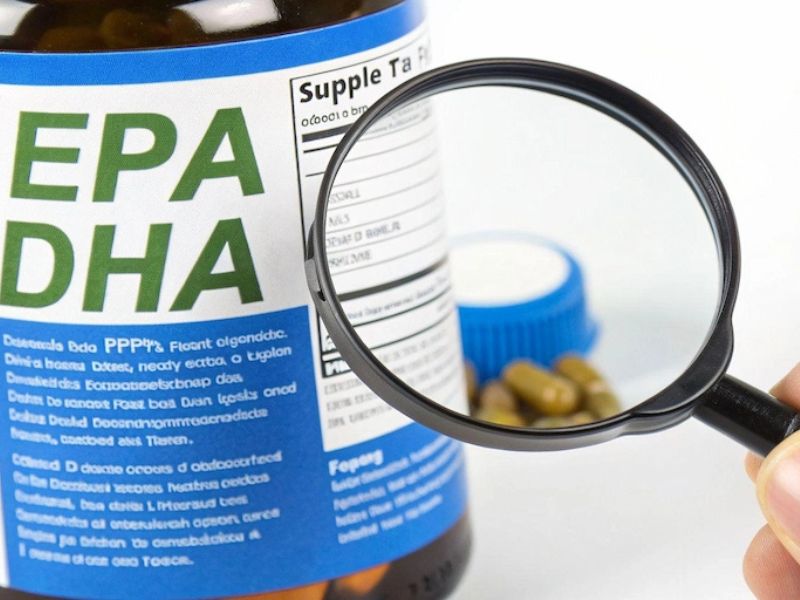
Omega-3 supplements serve a different purpose from multivitamins. When assessing EPA and DHA intake, consider how often you eat oily fish. Flaxseeds, chia seeds and walnuts provide ALA, which the body converts to EPA and DHA only in limited amounts.
QNT Omega-3 Fish Oil is a separate option to evaluate by its current EPA and DHA amounts per serving. People with fish allergies or those taking medicines affecting blood clotting should seek appropriate professional advice before using fish-oil supplements.
Who Should Consider a Multivitamin?
A multivitamin may be worth discussing with a qualified healthcare professional when meeting nutrient needs is difficult. Depending on your circumstances, relevant factors include:
- A restrictive diet or consistently inadequate food intake.
- A diagnosed deficiency or absorption problem requiring an appropriate care plan.
- Specific nutrients to assess in older adulthood or vegetarian and vegan diets.
- Difficulty maintaining adequate food intake alongside high training demands.
Exercise alone does not establish a need for supplementation. If your diet is varied and balanced and you have no identified gaps, you may not need a daily multivitamin.
Frequently Asked Questions
What is the best multivitamin for men in India?
There is no single best option for every man. Consider your diet, age, health, existing supplements and potential gaps. Compare the complete nutrient profile, amounts per serving, authenticity and suitability.
What should a multivitamin for men contain?
A formula may include vitamins A, C, D, E and B-complex vitamins, alongside zinc, iodine and selenium. The appropriate combination and amounts depend on individual needs. More ingredients or higher doses are not automatically better.
How do I choose a good multivitamin for men?
Compare nutrient amounts, serving size, relevant forms, ingredient transparency, quality information and cost per serving. Check for overlaps and verify authenticity while considering your dietary pattern.
Do men need a daily multivitamin?
No. Men meeting their nutritional needs through a varied diet may not need routine supplementation. A multivitamin may be useful in some circumstances, but it should not replace balanced meals or appropriate medical advice.
Which vitamins and minerals are important for men’s health?
Vitamins A, C, D, E and the B vitamins, along with zinc, iodine and selenium, contribute to normal body function. Iron is essential too, but additional iron is not automatically appropriate for every man. Requirements depend on diet, age and health.
Sources and References
- NIH Office of Dietary Supplements — Multivitamin/Mineral Supplements: Fact Sheet for Consumers
- ICMR–NIN — Nutrient Requirements for Indians: Recommended Dietary Allowances and Estimated Average Requirements, 2020
- FSSAI — Health Supplements and Nutraceuticals Standards
- NIH Office of Dietary Supplements — Vitamin B12: Fact Sheet for Consumers
- NIH Office of Dietary Supplements — Omega-3 Fatty Acids: Fact Sheet for Consumers (PDF)