Key Takeaways
Building a High-Protein Vegetarian Diet
Getting enough protein on a vegetarian diet does not have to be complicated. Lentils, beans, dairy products, soy foods, nuts, seeds and whole grains can all contribute to daily intake.
Searches for protein rich foods vegetarian often produce basic food lists without explaining useful portions, meal combinations or how those foods fit into a complete diet.
A well-planned vegetarian diet can provide sufficient protein for most healthy adults. Individual requirements depend on body weight, age, health, physical activity and fitness goals.
“The best vegetarian protein plan does not depend on one superfood—it distributes several useful protein sources across the day.”
Why Is Protein Important?
Protein supplies amino acids that the body uses to build, repair and maintain important tissues and biological structures.
Best Protein-Rich Vegetarian Foods
The values below are practical approximations. Actual protein content can vary by variety, product, preparation method and serving size.
| Vegetarian food | Practical serving | Approximate protein |
|---|---|---|
| Soy chunks | 25 g dry | 12–13 g |
| Firm tofu | 100 g | 10–17 g |
| Paneer | 100 g | 18–20 g |
| Cooked lentils or dal | 1 cup | 16–18 g |
| Cooked chickpeas | 1 cup | 14–15 g |
| Cooked rajma | 1 cup | 14–15 g |
| Edamame | 1 cup | 17–18 g |
| Greek yogurt or hung curd | 200 g | 16–20 g |
| Milk | 250 ml | Around 8 g |
| Green peas | 1 cup | Around 8 g |
| Cooked quinoa | 1 cup | Around 8 g |
| Peanuts | 30 g | Around 7 g |
| Almonds | 30 g | Around 6 g |
| Chia seeds | 30 g | Around 5 g |
Practical Vegetarian Protein Categories
Lentils, beans and chickpeas
Dal, chickpeas, kidney beans and black-eyed peas provide protein, fibre, complex carbohydrates and several micronutrients.
Soy foods
Soy chunks, tofu, tempeh, edamame and fortified soy milk are among the most protein-dense dairy-free choices.
Add soy chunks to curries, pulao or wraps. Use tofu in bhurji, stir-fries, noodles, salads and sandwiches.
Paneer, milk and yogurt
Dairy foods provide complete protein for people following a lacto-vegetarian diet.
Paneer can be calorie-dense depending on its fat content. Greek yogurt and hung curd usually provide more concentrated protein than regular curd.
Nuts and seeds
Peanuts, almonds, pumpkin seeds, chia seeds and hemp seeds provide protein, healthy fats, fibre and micronutrients.
Use them as supportive protein sources rather than the main protein in a meal because their calorie density is relatively high.
Do Vegetarian Proteins Need to Be Combined?
Some plant foods contain lower proportions of one or more essential amino acids than dairy or soy. Eating a varied diet containing pulses, cereals, soy, nuts and seeds creates a broader amino-acid profile.
Traditional combinations of cereals and pulses can improve the overall protein quality of a meal. You do not need to calculate every amino acid at every sitting; variety across the day is a more practical strategy.
A Simple High-Protein Vegetarian Day
Moong-dal chilla with paneer filling, or oats with milk and Greek yogurt.
Hung curd with fruit and a controlled portion of nuts or seeds.
Rajma or chana with rice, salad and curd.
Roasted chana, a tofu sandwich or a milk-based smoothie.
Soy-chunk curry, tofu bhurji or paneer with roti and vegetables.
Common Vegetarian Protein Mistakes
Not every vegetarian food is protein-rich. Fruit, most vegetables and regular rice provide useful nutrients but are not concentrated protein sources.
An Optional QNT Protein Recommendation
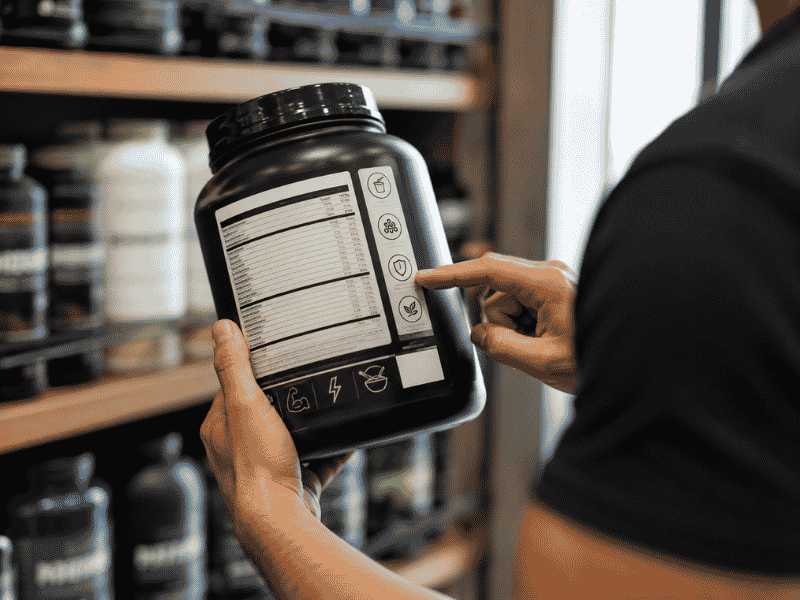
QNT Prime Whey Triple Blend – Coffee
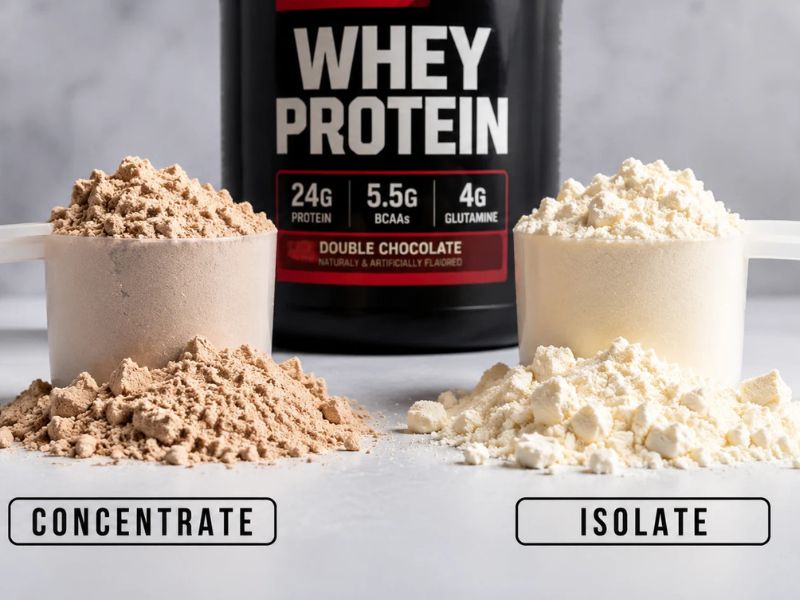
Whole foods should provide most of your nutrition. A protein powder may be useful when a busy schedule, limited appetite or higher training demands make it difficult to meet an appropriate protein target through meals.
The official listing for QNT Prime Whey Coffee describes a blend of whey isolate, concentrate and hydrolysate providing 25 g of protein per serving, naturally occurring BCAAs, DigeZyme® and zero added sugar.
Vegetarian Protein Checklist
Frequently Asked Questions
Can vegetarians get enough protein without supplements?
Yes. Pulses, soy, dairy, beans, whole grains, nuts and seeds can meet the needs of most healthy adults when consumed in suitable amounts. Supplements mainly provide convenience.
Which vegetarian food contains the most protein?
Soy chunks are among the most protein-dense commonly available vegetarian foods. Paneer, tofu, edamame, lentils and Greek yogurt are also useful options.
Is paneer a good protein source?
Yes. Paneer provides complete dairy protein. Its fat and calorie content can vary, so the portion and preparation method should match your overall nutrition goal.
Is dal enough for daily protein?
Dal can make a meaningful contribution, but one small serving may not cover the entire day. Include beans, soy, dairy, grains, nuts or seeds in other meals.
Is whey protein vegetarian?
Whey is obtained from milk and can fit a lacto-vegetarian diet. It is not vegan and is unsuitable for people with a diagnosed milk-protein allergy.
Do vegetarian protein foods need to be combined at every meal?
No precise combination is required at every meal. Eating a variety of cereals, pulses, soy, nuts, seeds and dairy across the day is a practical approach.
Which vegetarian foods are useful for muscle gain?
Soy chunks, tofu, paneer, lentils, chickpeas, Greek yogurt and whey protein can support higher intake. Muscle gain also requires progressive resistance training, adequate calories and recovery.
How can I increase protein without adding too many calories?
Prioritise tofu, low-fat paneer, Greek yogurt, soy chunks, lentils and controlled servings of whey. Nuts and seeds are nutritious but more calorie-dense.
Final Word
There is no single best vegetarian protein food. The most effective approach is to use several suitable sources across breakfast, lunch, snacks and dinner.
Build meals around dal, beans, tofu, soy chunks, paneer, curd or another substantial protein source. Add whole grains, vegetables, fruit, nuts and seeds to create a balanced diet.
A product such as QNT Prime Whey may provide convenience when food intake falls short, but it should remain an addition to a well-planned vegetarian diet—not the foundation of it.