Key Takeaways
Understanding Sweetness in Protein Supplements
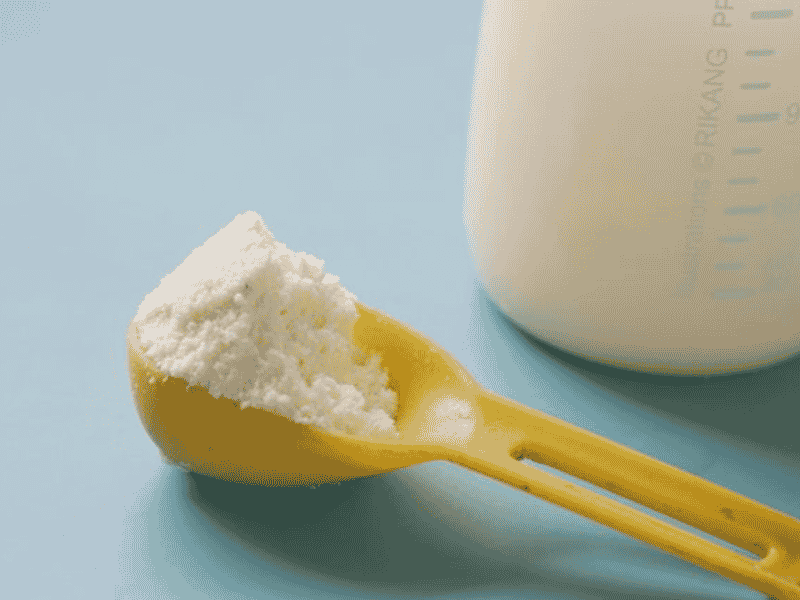
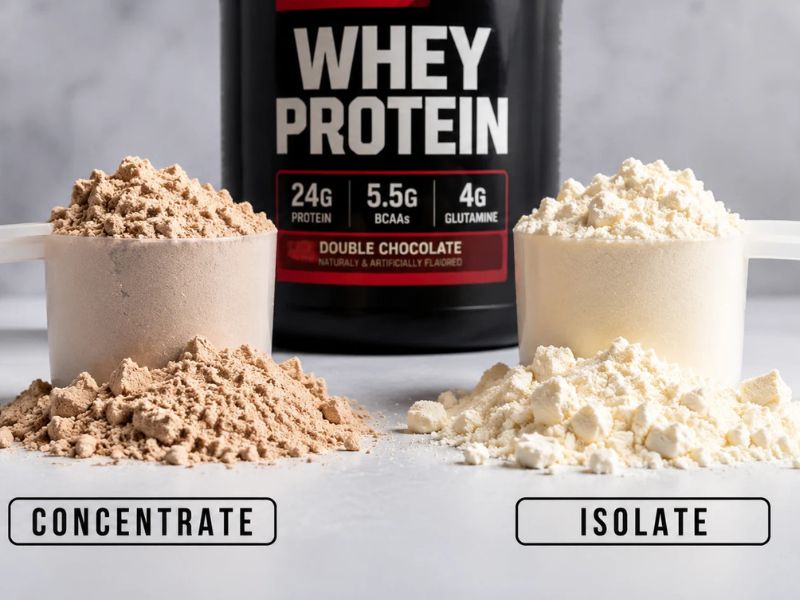
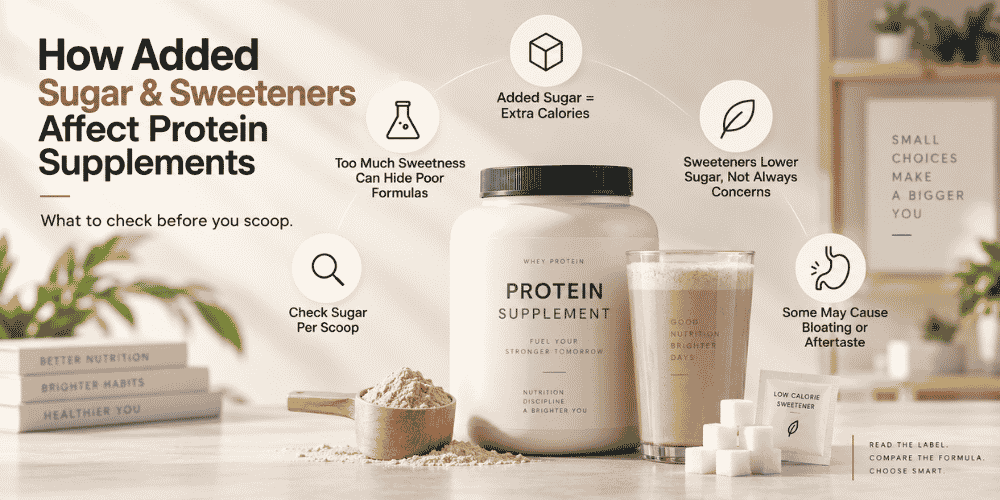
Flavoured protein powders must balance nutrition, taste, texture and mixability. Manufacturers may use added sugar, low-calorie sweeteners, sugar alcohols or combinations of different ingredients to make chocolate, coffee, vanilla and fruit flavours more enjoyable.
These ingredients do not automatically make a protein supplement good or bad. Their effect depends on the quantity used, the complete nutritional profile and the consumer’s individual goals and tolerance.
Learning how added sugar and sweeteners in protein supplements work can help you compare calories, carbohydrates, protein concentration, digestion and ingredient quality before buying.
What Does Added Sugar Mean?
Added sugars are introduced during manufacturing rather than occurring naturally in the original ingredients.
Total sugars include naturally occurring sugars and sugars added during processing. Added sugars form only one part of the total-sugar value.
Why Are Sweetening Ingredients Used?
Unflavoured whey may have a naturally milky, neutral or slightly bitter taste. Sweetening systems help manufacturers produce a consistent and enjoyable flavour.
Balance bitterness
Sweetness can balance the natural bitterness of cocoa or coffee.
Improve flavour
It supports fruit, vanilla, chocolate and dessert-style flavours.
Reduce aftertaste
A suitable formula can soften the aftertaste of protein ingredients.
Control calories
High-intensity sweeteners create sweetness without adding large amounts of sugar.
Support consistency
An enjoyable product may be easier to use consistently.
How Added Sugar Affects Protein Supplements
Added sugar does not destroy protein or stop it from working. It changes the overall nutritional composition of the product.
It increases total energy
Traditional sugar provides approximately four calories per gram. Ten grams contributes about 40 calories.
It raises total carbohydrates
Added sugar contributes to the carbohydrate value declared in the nutrition panel.
It may lower the protein ratio
More sugar or carbohydrate can mean less protein relative to the total serving weight.
Comparing Protein Concentration
| Product | Serving size | Protein | Added sugar | Protein percentage |
|---|---|---|---|---|
| Product A | 30 g | 24 g | 0 g | 80% |
| Product B | 40 g | 24 g | 8 g | 60% |
A lower protein percentage does not automatically indicate poor quality. It simply shows that more of the serving comes from ingredients other than protein.
How Much Added Sugar Is Too Much?
There is no single sugar limit designed specifically for every protein supplement. The amount should be evaluated as part of the complete diet.
A small amount of sugar in protein powder may fit into a balanced diet. The larger concern is often total intake accumulated across sweetened drinks, snacks, cereals, desserts and supplements.
What Are High-Intensity Sweeteners?
High-intensity sweeteners are considerably sweeter than traditional sugar, so only a small amount is needed.
These ingredients usually provide few or no calories at the quantities used and generally do not affect blood glucose in the same way as traditional sugar. Their presence should appear in the ingredient list.
Are Artificial Sweeteners Safe?
The presence of an artificial or non-sugar sweetener does not automatically make a protein supplement unsafe. Food-safety authorities evaluate permitted sweeteners and establish conditions of use or acceptable daily intake levels.
Individual suitability still varies. Some people dislike the taste of a particular sweetener or experience digestive discomfort after using certain formulations.
Sweetener Safety and Weight Management Are Different Questions
A sweetener being approved for food use does not necessarily mean it produces long-term weight loss.
The WHO recommends against relying on non-sugar sweeteners as a long-term strategy for controlling body weight or reducing noncommunicable disease risk. This is a conditional nutrition recommendation rather than a toxicological safety assessment of individual ingredients.
What Are Sugar Alcohols?
Sugar alcohols, also called polyols, generally provide fewer calories than traditional sugar. Despite their name, they do not contain the type of alcohol found in alcoholic beverages.
Some sugar alcohols are not fully absorbed in the small intestine. Consuming larger quantities may cause:
People with sensitive digestion should review protein bars, ready-to-drink shakes and sugar-free products carefully, especially when consuming multiple servings.
Added Sugar Versus Sweeteners
| Ingredient type | Calories | Blood-glucose effect | Examples | Main consideration |
|---|---|---|---|---|
| Added sugar | About 4 kcal per gram | Usually raises blood glucose | Sucrose, glucose, dextrose | Adds calories and carbohydrates |
| High-intensity sweetener | Few or no calories | Generally minimal | Sucralose, Ace-K, stevia | Taste preference and total intake |
| Sugar alcohol | Usually lower than sugar | Smaller or slower effect | Erythritol, maltitol, sorbitol | May affect digestion |
| Naturally occurring sugar | Varies | Depends on amount and source | Lactose from milk ingredients | May appear with zero added sugar |
Do Sweeteners Affect Protein Quality?
Sweeteners do not determine whether a protein is complete or whether it contains all essential amino acids.
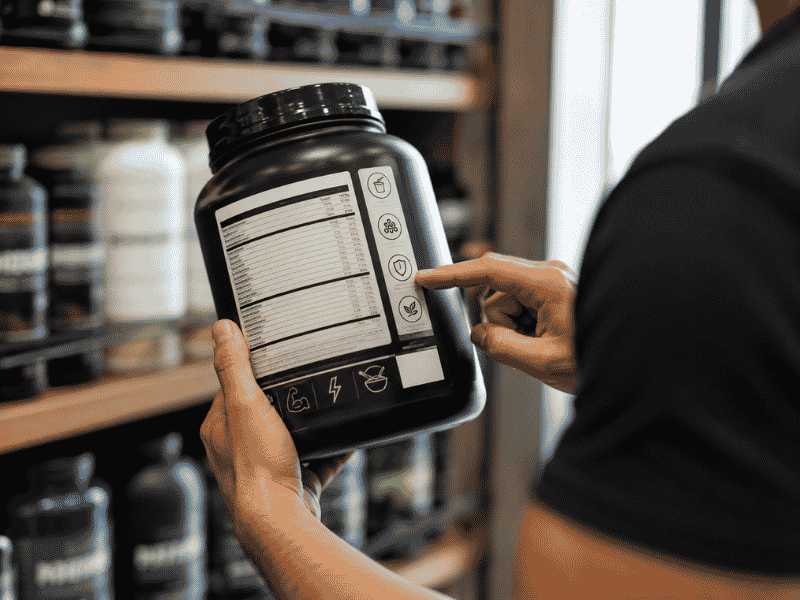
How to Read the Label Correctly
Check serving size
Confirm whether the values apply to one scoop, two scoops or a stated weight.
Compare sugar values
Total sugar may include lactose, while added sugar shows what was introduced during processing.
Read the ingredients
Look for sugar, syrups, sucralose, Ace-K, stevia or sugar alcohols.
Check calories and carbohydrates
Zero added sugar does not automatically mean zero carbohydrate or low calorie.
Calculate protein concentration
Divide protein per serving by serving size and multiply by 100.
Consider personal tolerance
Choose another formulation if a sweetener repeatedly causes discomfort or an unpleasant aftertaste.
Where QNT Prime Whey Fits
Prime Whey Triple Blend
QNT Prime Whey Coffee provides 25 g of protein per serving through whey isolate, whey concentrate and whey hydrolysate. Its official product information describes the formula as having zero added sugar.
Consumers should still review the exact flavour and pack size purchased because flavouring systems and nutrition values may vary. Zero added sugar should not be confused with zero total carbohydrates.
Protein Sweetener Checklist
Frequently Asked Questions
Is sugar in whey protein bad?
Not automatically. A small amount may fit into a balanced diet. Check the added sugar, total calories, serving size and complete daily intake.
Does zero added sugar mean sugar-free?
No. A product may still contain naturally occurring sugar from milk-derived ingredients or other components.
Does sucralose reduce protein quality?
No. Sucralose influences sweetness rather than the amino-acid quality of whey protein.
Can sweeteners cause bloating?
Individual needs vary according to the product, medication and glucose response. Review total carbohydrates and sugars and seek personalised healthcare guidance.
Final Word
Added sugar and sweeteners influence the taste, calories, carbohydrates and digestive experience of a protein supplement, but they do not determine its complete value.
Added sugar contributes energy and may lower the proportion of protein in a serving. High-intensity sweeteners can create sweetness with few or no calories, while sugar alcohols may reduce sugar content but cause digestive discomfort in some people.
Compare serving size, protein amount, total carbohydrates, added sugars, ingredients and personal tolerance. A zero added sugar protein such as QNT Prime Whey may be convenient when it supports your nutrition goals, but it should still be used as part of a balanced diet.