Key Takeaways
Are Six-Pack Abs Really a Sign of Fitness?
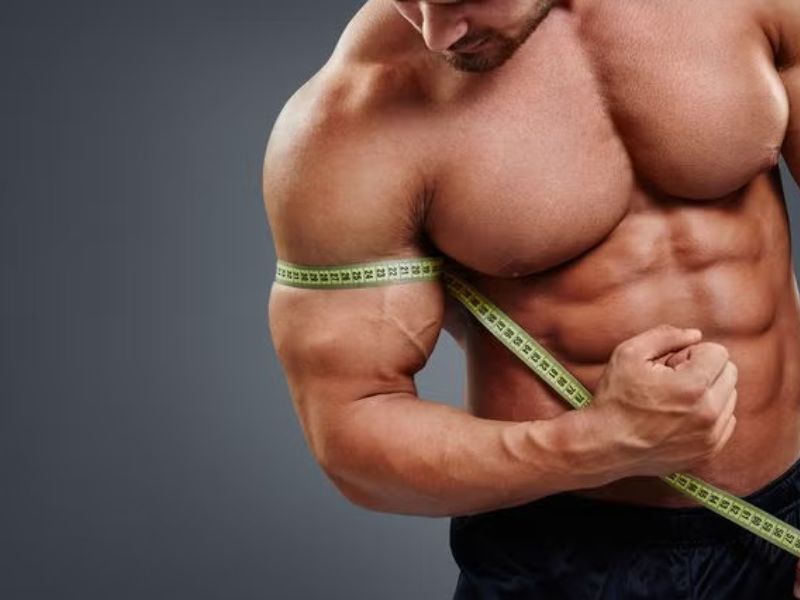
Social media, films and advertising often present sharply defined abs as proof that someone is disciplined, young and healthy. Men and women increasingly face pressure to achieve the same appearance.
Visible abs are an aesthetic outcome, not a universal measurement of health. Some people reveal abdominal definition relatively easily, while others need a much leaner body-fat level and a demanding routine.
Before chasing a six-pack, understand which factors you can influence and which ones are largely determined by genetics.
“Train your abs to develop them, but reduce overall body fat to reveal them.”
Genetics Affect How Your Abs Look
Everyone has abdominal muscles, but their shape, spacing and visibility differ. Genetics, age, hormones and individual fat-distribution patterns influence where the body stores fat and where it tends to lose it first.
Abdominal structure
The shape and spacing of the abdominal muscles differ naturally between people.
Fat distribution
Some bodies retain more fat around the abdomen even during successful weight loss.
Sustainable leanness
The body-fat level needed for visible abs may be difficult for some people to maintain year-round.
Start With a Sustainable Calorie Deficit
Abdominal definition becomes more visible when enough of the fat covering the muscles is reduced. This requires average calorie intake to remain below energy expenditure over time.
Calorie needs depend on body size, activity, current weight and other individual factors. Online planning tools can provide a starting estimate, but real-world progress should guide adjustments.
Estimate
Use body weight, activity and current intake to establish a starting point.
Reduce moderately
Create a manageable deficit instead of cutting calories aggressively.
Monitor
Track weight trends, waist measurements, hunger and training quality.
Adjust gradually
Review several weeks of progress before reducing intake further.
Strength Training Builds the Foundation
Visible abs depend on both the amount of fat covering the abdominal area and the development of the muscles underneath.
| Training type | Primary purpose | Examples |
|---|---|---|
| Whole-body strength training | Preserve or develop overall muscle during fat loss | Squats, presses, rows, hinges and loaded carries |
| Direct abdominal training | Strengthen and develop the muscles of the trunk | Crunches, planks, knee raises and anti-rotation work |
Useful Direct Abdominal Exercises
Spot Reduction: Myth vs Reality
| Common belief | What actually happens |
|---|---|
| Thousands of crunches remove belly fat | Crunches train the abdominal muscles but do not control where fat is lost. |
| Sweating around the stomach means fat is melting | Sweat mainly reflects temperature regulation and fluid loss. |
| One specific exercise can reveal the six-pack | Visible definition requires overall fat reduction plus developed abdominal muscles. |
Does Fasted Cardio Burn More Belly Fat?
Fasted cardio is optional, not a shortcut. Research comparing fasted and fed aerobic exercise during calorie restriction has found weight and fat loss in both approaches without a meaningful advantage for fasted training.
Exercising before breakfast may suit someone who enjoys it or finds it convenient. Another person may train more effectively after eating. Consistency and total energy balance matter more than whether the session begins in a fasted state.
Should Cardio Come Before or After Weights?
The order should reflect your main training goal. You can also separate cardio and resistance training onto different days when your schedule permits.
Weights Before Cardio
Resistance training first may help preserve exercise quality and support lower-body strength development.
Cardio Before Weights
Performing cardio first can make sense when running, cycling or endurance performance is the main goal.
How Intense Should Cardio Be?
You do not need to finish every cardio session completely breathless. Moderate continuous exercise and high-intensity intervals can both support cardiovascular fitness and body-fat reduction.
Can Fat Burners or L-Carnitine Reveal Abs?
No supplement can replace calorie control and exercise. Research describes the average weight-loss effect of carnitine supplementation as small or inconsistent.
Thermogenic products may contain stimulants that increase alertness, but stimulation does not guarantee meaningful or sustainable fat loss.
Visible Abs Checklist
Frequently Asked Questions
Can everyone get six-pack abs?
Most people can improve abdominal definition, but genetics, muscle structure and fat distribution affect the final appearance and the effort required.
Do crunches burn belly fat?
No. Crunches strengthen the abdominal muscles but cannot selectively remove the fat covering them.
Is fasted cardio better for visible abs?
Research does not show a clear fat-loss advantage when total calorie intake and exercise are comparable.
Do I need intense cardio every day?
No. A sustainable combination of strength training, daily movement and manageable cardio is generally more practical.
Can I get abs without training them directly?
Losing body fat may reveal some definition, but direct abdominal training can improve muscular strength, thickness and control.
Final Word
A visible six-pack comes from reducing overall body fat while developing and preserving muscle. It does not require thousands of crunches, starvation diets, daily fasted cardio or miracle supplements.
Estimate your calorie needs, create a sustainable deficit, train your whole body, include direct core exercises and choose cardio you can perform consistently.
Strong abdominal muscles can support posture and performance, but visible abs are optional. Health and fitness do not depend on maintaining a photoshoot-ready body throughout the year.
References
- NIDDK: Healthy Eating and Physical Activity for Weight Management
- Study of Abdominal Exercise, Endurance and Abdominal Fat
- Controlled Comparison of Fasted and Fed Aerobic Exercise
- Review of Strength and Endurance Exercise Order
- Review of High-Intensity Interval Training and Body Fat
- NIH Office of Dietary Supplements: Carnitine