Key Takeaways
Why Modern Athletes Need More Than Talent
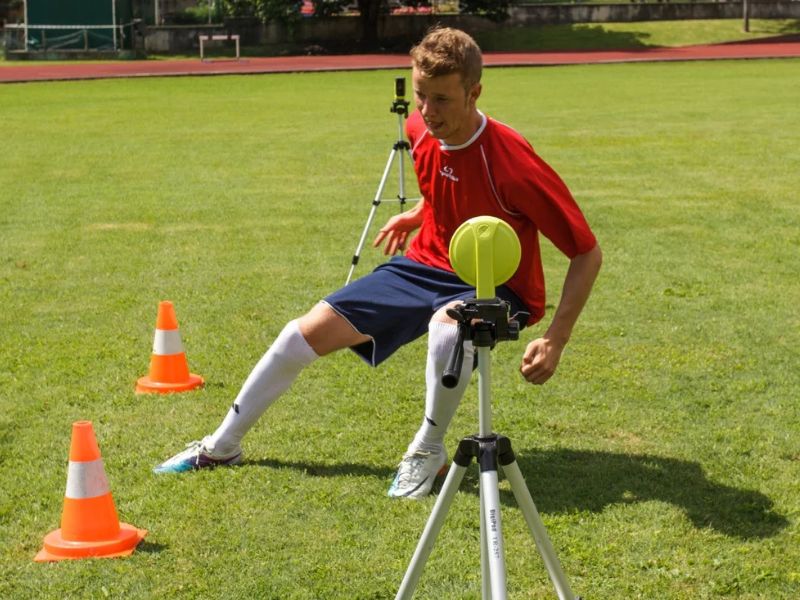
Every sport requires a different combination of technical skill, tactical awareness and physical ability. Footballers repeatedly accelerate and change direction, while endurance athletes must sustain effort for much longer.
Even sports that appear less physically demanding can require strength, coordination, concentration and resistance to fatigue. At higher levels, athletes often add conditioning, mobility, strength and psychological preparation to sport-specific practice.
The challenge is not simply doing more. It is organising each element without reducing sport performance, delaying recovery or increasing injury risk.
“The goal is not to complete the most training, but the most high-quality training from which the athlete can recover.”
Sport-Specific Practice Must Remain the Priority
Strength and conditioning should support the sport rather than compete with it. A technically skilled athlete will not automatically improve by following a generic bodybuilding programme.
Why Athletes Benefit From Strength Training
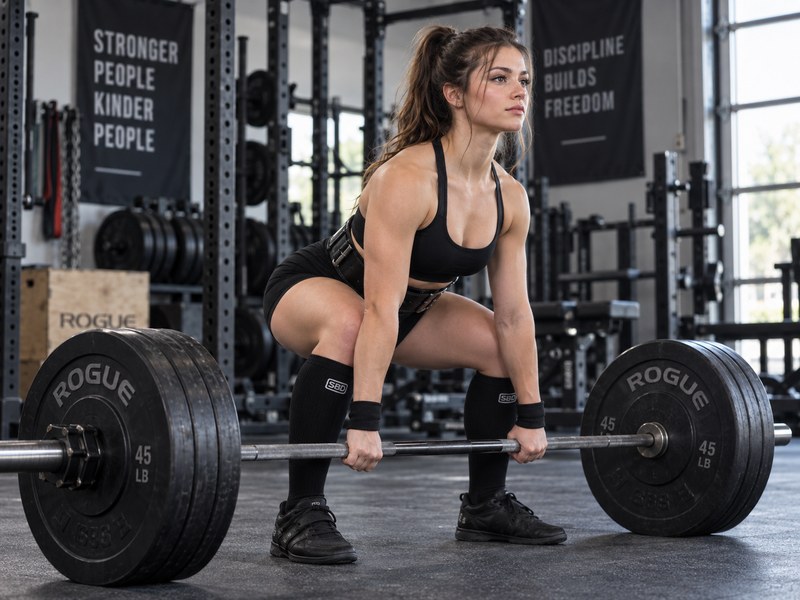
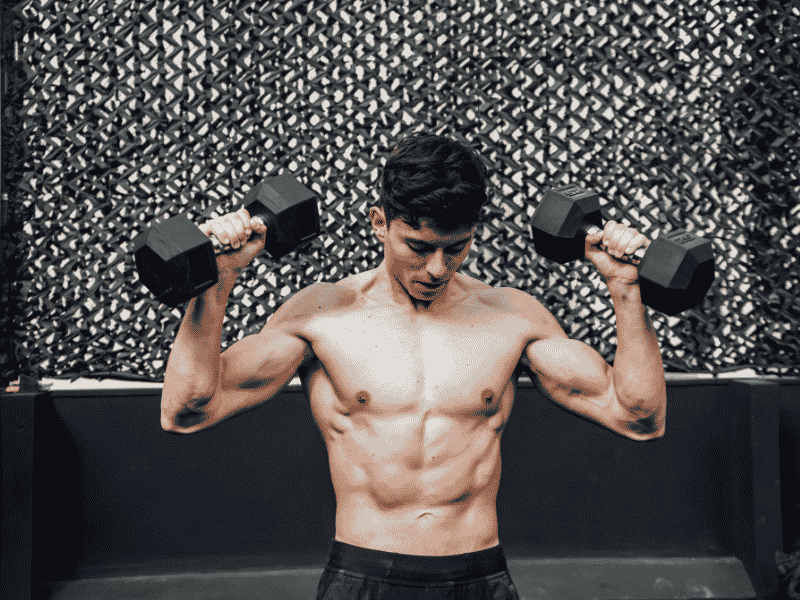
Strength training is not limited to bodybuilding. Properly programmed resistance exercise can support force production, power, movement control and tolerance to sporting demands.
| Training element | Potential purpose | Examples |
|---|---|---|
| Fundamental strength | Improve force production and physical resilience | Squats, presses, rows and hinges |
| Power development | Express force rapidly during sporting actions | Jumps, throws and explosive lifts |
| Movement control | Improve stability during running, landing and contact | Single-leg work and loaded carries |
More Training Does Not Always Mean Better Performance
Training creates the stimulus for improvement, but adaptation occurs during recovery. A temporary performance decline after a demanding block can be normal.
Problems develop when training, competition and life stress repeatedly exceed the athlete’s ability to recover.
Training-related stress
- Rapid workload increases
- Congested competition schedules
- Excessive high-intensity sessions
- Insufficient recovery between events
Non-training stress
- Travel and disrupted routines
- Poor sleep or inadequate nutrition
- Academic or professional pressure
- Psychological and personal stress
Under-Recovery Warning Signs
These signs do not confirm overtraining on their own. Illness, iron deficiency, inadequate food, poor sleep and psychological stress can cause similar symptoms. Persistent changes require qualified assessment.
How to Combine Different Types of Training
There is no universal weekly schedule, but several programming principles can help athletes organise training more effectively.
Coordinate hard sessions
Place demanding strength and sport work on the same day when practical.
Protect key practices
Avoid exhausting important muscles immediately before competition.
Progress gradually
Increase volume, intensity and competition load progressively.
Plan recovery
Schedule sleep, nutrition, lighter sessions and complete rest deliberately.
Injury Prevention Is Performance Training
An injured athlete cannot consistently practise, compete or develop technical skills. Injury prevention should therefore be treated as part of performance preparation rather than an optional warm-up.
Young Athletes Need Long-Term Development
Pushing young athletes into intense, year-round specialisation does not guarantee elite success. Reviews associate early specialisation with concerns including overuse injury, burnout and reduced wellbeing, although effects differ between sports and individuals.
Young athletes need challenge and discipline, but training should remain appropriate for their physical growth, maturity and psychological development.
Short-term pressure
Fear and constant pressure may produce compliance while damaging motivation and enjoyment.
Long-term development
Skill, physical capacity, confidence, recovery and enjoyment should develop together.
Athlete Performance Checklist
Frequently Asked Questions
Is strength training necessary for every athlete?
Not every athlete needs the same programme, but appropriately designed resistance training can support strength, power, movement control and injury resilience in many sports.
How many strength sessions should an athlete complete?
It depends on the sport, season, experience and competition schedule. Some athletes progress with two focused weekly sessions, while others need a different frequency.
What is the difference between overreaching and overtraining?
Short-term fatigue from demanding training may resolve after recovery and can be planned. Overtraining syndrome involves a more prolonged decline and is difficult to diagnose because medical and psychological conditions can appear similar.
Should athletes train every day?
Some advanced athletes perform activity daily, but not every session should be difficult. Technical practice, light recovery work and complete rest must be organised around the total workload.
Can mental training improve sports performance?
Psychological preparation can help athletes manage focus, confidence, pressure and competition routines. It should complement physical and technical preparation rather than replace them.
Final Word
High-level sports performance does not come from talent, gym work or hard practice alone. It comes from combining the right training methods in the right amounts.
Sport-specific practice should remain central. Strength, conditioning, mobility and mental preparation should address genuine performance needs.
Recovery and injury prevention deserve the same planning as demanding sessions. Successful athletes do not simply tolerate more work—they consistently recover, adapt and remain available to perform.
References
- Strength Training and the Prevention of Sports Injuries
- Consensus Statement on Training Load, Illness and Overtraining
- Consensus Statement on Athlete-Load Monitoring
- Consensus Statement on Recovery and Performance
- Athlete Availability, Injury and Successful Performance
- Review of Early Sport Specialisation and Young Athlete Development