Enjoy Free Delivery Across India On Orders Over Rs.500!
30+ Years Of Excellence In Health And Sports Nutrition
󰍉
󰀓
󰄑

Boosting Your Cycling Performance: The Keys to Success

The basic principles of effective training for cycling.

Effective cycling training relies on understanding the different phases of training, the importance of warm-up and recovery, and the variety of ride types. It’s also essential to know strategies to prevent common injuries. Here’s a detailed guide to help you structure your training in an optimal way.

Understand the different training phases in cycling.

To progress in cycling, it is essential to divide your training into different phases, each with specific goals.

  • Basic Endurance Phase:​ This phase focuses on improving your aerobic capacity, or your ability to sustain moderate effort for a long period of time. Rides are long and performed at a moderate intensity (60-70% of your maximum heart rate). This solid foundation is crucial for the other training phases.
  • Strength Development Phase: The focus is on muscle strengthening and the ability to generate more power on the bike. Sessions include climbs, uphill sprints, and resistance exercises. This phase is especially important if you are participating in competitions with climbs or intense efforts.
  • Speed ​​and Power Phase: Here the goal is to improve your ability to ride at high speeds on flat or slightly rolling terrain. The training sessions include high intensity intervals (HIIT) and sprints over short and intense distances. This phase develops your anaerobic capacity, essential for explosive efforts.
  • Active Recovery Phase: This phase is essential to allow your body to recover while maintaining a certain level of activity. It includes easy rides, rest days, and low-intensity exercises to help your muscles recover without adding additional stress.

The importance of warm-up and recovery for cyclists.

A proper warm-up and an effective recovery phase are crucial elements in preventing injuries, improving your performance and maximizing the benefits of each training session.

  • Warm-up: A 10-15 minute warm-up at a low intensity is recommended before each ride. This increases your body temperature, stimulates blood flow to your muscles, and prepares your cardiovascular system for the effort. The warm-up can include arm rotations, squats, and dynamic movements to prepare your body for the effort ahead.
  • Recovery: After your workout, recovery helps your body return to resting mode and release muscle tension. This includes a 10-15 minute cool-down period of light cycling to help flush out the toxins that have built up in your muscles. Static stretching after your ride, as well as active recovery sessions like foam rolling, are also essential for promoting muscle recovery and reducing muscle soreness.
  • Recovery between sessions: To optimize recovery, it is important to schedule rest days or active recovery sessions between intense workouts. This gives your muscles a chance to regenerate and prevents overtraining, which can lead to injuries and loss of performance.

Varier les types de sorties pour progresser en cyclisme.

Variation in ride types is essential to stimulate physical adaptations and prevent your performance from stagnating.

  • Long and moderate rides: These rides are crucial for developing your endurance and getting your body used to long-term efforts. They are usually performed at a moderate intensity and over longer distances than your usual rides.
  • Interval training: To improve your speed and power, interval training is essential. It consists of intense effort intervals followed by recovery phases. For example, you can alternate 2 minutes of intense cycling with 3 minutes of recovery, repeated several times.
  • Climbing Training: Climbing rides are great for strengthening your leg muscles and improving your power. They also allow you to work on your pedaling technique with increased resistance.
  • Recovery sessions: These low-intensity rides promote blood circulation without tiring your muscles. They are ideal after an intense training session or a competition.
  • Technique Training: Spend a few rides improving your pedaling technique, mastering descents, or cornering for significant gains in your overall performance.

How to avoid common injuries among cyclists.

Injuries are a common risk for cyclists, especially when you increase your training load. Here’s how to prevent them.

  • Bike Setup: Improper bike setup is a common cause of injury. Make sure your saddle height, handlebar position, and crank length are set correctly for your body type. Visiting a professional for a bike setup can prevent knee, back, and shoulder pain.
  • Muscle Strengthening: Add strengthening exercises, especially for your core, hips, and legs, to support your joints and stabilize your body on the bike, reducing your risk of injury.
  • Gradual progression: Avoid increasing the distance, frequency or intensity of your rides too quickly. Follow the golden rule of not increasing training volume by more than 10% per week, so that your body can adapt.
  • Rest and Recovery: Overtraining is a major cause of injury. Give your body time to recover between intense sessions, and don't underestimate the importance of rest days in your training program.
  • Listen to your body: Learn to recognize the first signs of strain or injury, such as persistent pain or unusual fatigue. If you feel pain, it is better to reduce the intensity or take a rest day to prevent the injury from getting worse.

By incorporating these principles into your training routine, you can not only improve your cycling performance, but also ride more safely and sustainably while minimizing the risk of injury.

Structuring your cycling training program.

To effectively progress in cycling, it is essential to strategically structure your training program. A well-designed program will help you achieve your goals, whether it is strength, speed, endurance, or overall physical fitness. Here is how to create a complete and personalized program to maximize your performance on the bike.

Create a personalized training plan based on your goals.

A personalized training plan is the key to achieving your cycling goals, whether it's competing in a race, improving your physical fitness, or simply enjoying your rides.

  • Set your goals: Start by setting clear and specific goals. For example, you might focus on improving your time on a specific route, increasing your average power, or preparing for a race like a gran fondo or triathlon. Make sure your goals are SMART (Specific, Measurable, Attainable, Realistic, and Time-bound).
  • Evaluate your current level: Before you create your plan, evaluate your current physical condition. This may include strength tests (FTP – Functional Threshold Power), endurance assessments during long rides, or a general assessment of your physical condition.
  • Structure the training phases: Divide your plan into different phases, each with a specific goal. For example, start with a basic endurance phase, then move to a strength and power development phase, and end with a perfection phase leading up to a competition or a specific goal.
  • Plan the progression: Gradually increase the training load in terms of duration, intensity and frequency. Follow the 10% rule to avoid overload: do not increase the training volume by more than 10% per week. Also add active recovery phases to give your body the chance to adapt and prevent overtraining.
  • Flexibility and adjustments: Be prepared to adjust your plan based on your progress, your feelings, or any unexpected circumstances. Flexibility is essential to maintain your motivation and prevent injuries.

Add interval training to improve strength and speed.

Interval training is crucial for increasing your power on the bike and improving your ability to sustain high speeds, especially during races or intense rides.

  • Basic concept: Interval training involves alternating between periods of intense effort and active recovery periods. This method stimulates both the aerobic and anaerobic systems, improving your ability to sustain intense efforts for longer periods of time.

Types of interval training:

  • Short sprints: Short intervals of 20 to 30 seconds at maximum power, followed by 2 to 3 minutes of active recovery. These sessions increase your maximum power and explosiveness.
  • Long intervals: Efforts of 3 to 5 minutes at an intensity near your anaerobic threshold, followed by 2 to 3 minutes of recovery. They are effective for improving your high-intensity endurance.
  • Climbing Intervals: Performing intervals during climbs strengthens the muscles in your legs and improves your specific strength during climbs, a valuable asset for mountain cyclists.
  • Frequency and progression: Add interval training 1 to 2 times per week, gradually increasing the intensity and duration of the intervals as your fitness improves.

Work on endurance for long bike rides.

Endurance is a fundamental component for any cyclist, whether participating in long-distance races, touring or improving your general physical condition.

  • Long, steady rides: Plan on long rides, usually at a moderate intensity (60-75% of your maximum heart rate). These rides should be steady and progressive, gradually increasing the distance as the weeks go by.
  • Aerobic Zone Goal: Endurance rides focus on developing your aerobic zone, which improves your body’s ability to use oxygen to produce energy. This results in better energy efficiency and reduced fatigue during long rides.
  • Varying terrain: To prepare for different races, alternate between flat, hilly, and mountainous routes. This helps your body get used to different terrain and conditions.
  • Effort management: Learn to manage your effort over long distances by using a power meter or heart rate monitor. Maintain a steady pace and avoid unnecessary peaks in effort that can deplete your energy reserves too early.
  • Nutrition and hydration: During long rides, it is essential to eat and hydrate well to maintain your performance. Take carbohydrate-rich snacks and isotonic drinks to prevent energy loss.

Add strength training exercises specific to cyclists.

Muscle strengthening is often overlooked by cyclists, but it plays a crucial role in improving performance and preventing injury.

  • Targeted Exercises: Focus on the major muscle groups for cycling, especially the quadriceps, hamstrings, glutes, lower back, and core. Exercises like squats, lunges, calf extensions, and core exercises are especially effective.
  • Frequency: Add muscle-strengthening sessions 2-3 times per week. Avoid intense riding days to prevent excessive muscle fatigue. Sessions can be performed with free weights, machines, or simply your own body weight.
  • Injury Prevention: A strong, stable core helps maintain good posture on the bike, reducing the risk of back and knee pain. Strengthening the hips and glutes improves stability and pedaling efficiency.
  • Mobility Work: In addition to strength training, add mobility and stretching exercises to improve your flexibility and prevent muscle strain. Good mobility in the hips, ankles, and shoulders is essential for a smooth and efficient pedaling motion.
  • Functional Exercises: Incorporate movements that mimic cycling actions, such as hip extensions in the cycling position, to improve your coordination and specific strength on the bike.

By structuring your cycling program around these principles, you can maximize your performance, achieve your specific goals, and ride stronger, longer, and with less risk of injury.

Customised nutrition to optimise your cycling performance.

Proper nutrition is essential for optimizing your cycling performance, whether it’s supporting your efforts during training, maximizing your energy during races, or promoting fast and effective recovery after each ride. Here’s how to structure your nutrition to meet the specific needs of cycling.

The essential nutrients to support cycling efforts.

To perform well in cycling, it is crucial to consume the right nutrients that support both long-term physical exertion and muscle recovery.

  • Carbohydrates: They are your main source of energy to support your efforts. They provide the fuel needed for long, intense efforts. Complex carbohydrates, such as whole grains, pasta, brown rice, and starchy vegetables, should be a major part of your diet. Before a race, "carb-loading" (or carbohydrate loading) can be helpful to saturate your glycogen stores.
  • Protein: Protein plays a key role in the recovery and rebuilding of muscles that are stressed during cycling. Consume lean protein sources such as white meat, fish, eggs, legumes and dairy products to support muscle recovery after exercise.
  • Fats: Healthy fats, such as those found in avocados, nuts, seeds and vegetable oils, provide a sustained source of energy, especially during long rides. They are also important for the absorption of fat-soluble vitamins (A, D, E, K) and for maintaining cell function.
  • Vitamins and minerals: Cyclists have increased needs for vitamins and minerals , especially iron (for muscle oxygenation), calcium and vitamin D (for bone health), and magnesium (for muscle function). Be sure to include a wide variety of fruits, vegetables, and dairy products in your diet.
  • Antioxidants: Antioxidants help reduce inflammation and speed recovery by neutralizing free radicals produced during intense exercise. Eat colorful fruits and vegetables, such as berries, spinach, and carrots, for their antioxidant content.

What to eat before a bike ride or competition.

What you eat before a bike ride or a race can have a significant impact on your performance. It is important to plan your nutrition well to ensure you have enough energy without overloading your digestive system.

  • Timing of meals: It is recommended to eat a meal rich in carbohydrates 3-4 hours before the ride or race. This meal should be balanced and consist of complex carbohydrates, lean proteins and healthy fats. For example, a bowl of oatmeal with fruit and yogurt, or whole wheat pasta with chicken and vegetables.
  • Pre-race snack: Approximately 30 to 60 minutes before the start, a light snack rich in simple carbohydrates and low in fiber is ideal for providing quick energy. Options such as a banana, whole wheat bread with honey, or a low-fiber energy bar are good choices.
  • Avoid common mistakes: Avoid foods high in fiber, fat, or protein right before exercise, as these can slow digestion and cause discomfort during the ride. Also avoid eating too close to the start to avoid feeling heavy or bloated.
  • Pre-hydration: Drink plenty of water in the hours leading up to the ride to be well hydrated. However, don’t drink too much fluid just before the start to avoid a heavy feeling.

Post-ride nutrition for fast and effective recovery.

Post-ride recovery is crucial to replenish your energy reserves, repair stressed muscles and prepare your body for the next effort.

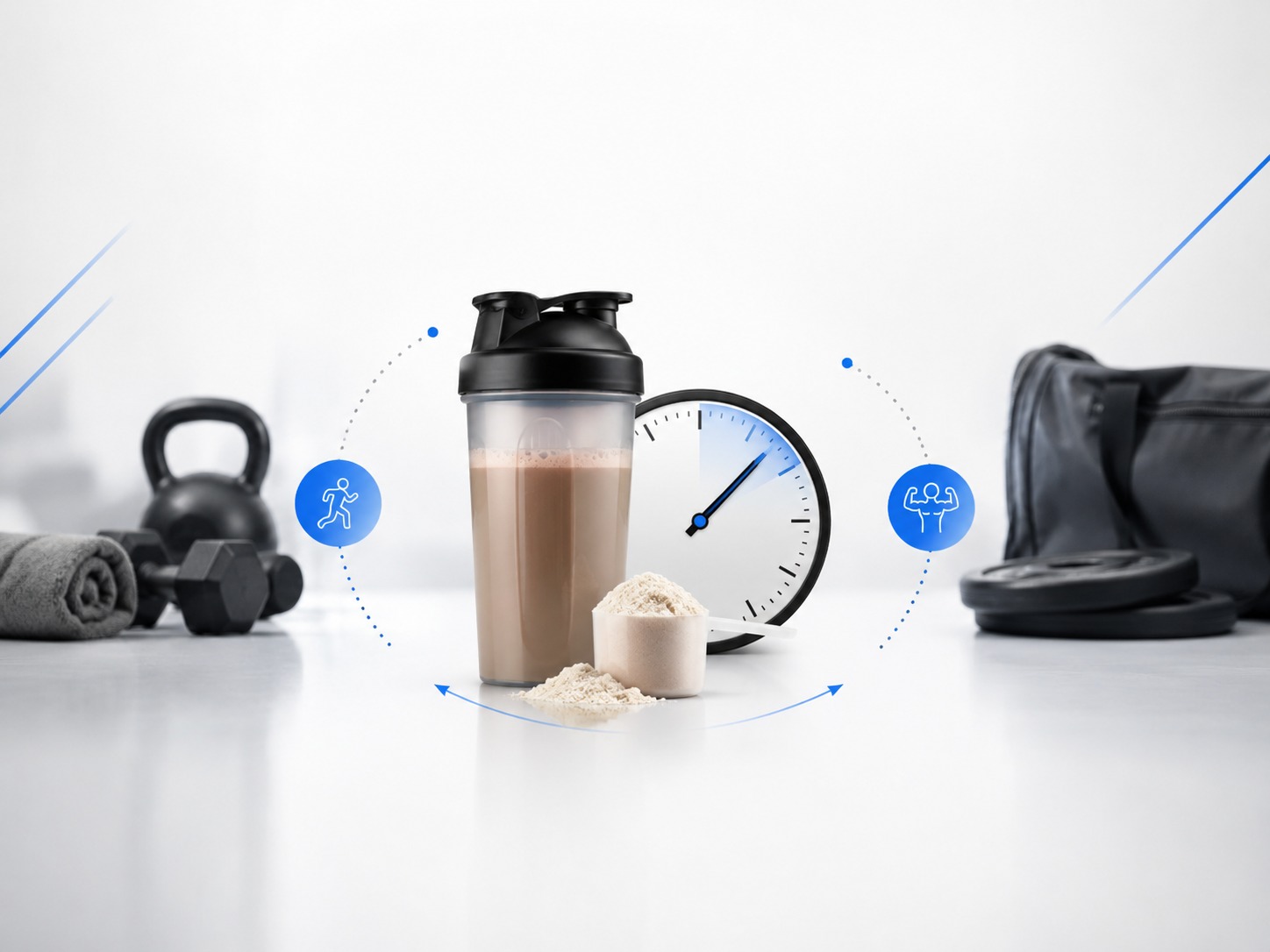
  • Metabolic Window: The 30 to 60 minutes after a ride is a critical recovery period, known as the metabolic window. During this time, your body is especially receptive to nutrients, which promotes muscle recovery and replenishes glycogen stores. Have a meal or snack with a good balance of carbohydrates and protein.
  • Carbohydrates and proteins: A 3:1 ratio of carbohydrates to proteins is recommended to optimize recovery. An example of this is a smoothie based on banana, milk or yogurt, and oatmeal, which is an ideal option for fast recovery. Carbohydrates replenish glycogen stores, while proteins help with muscle recovery.
  • Post-Ride Meal: Within two hours after your ride, consume a full meal of lean protein, complex carbohydrates, and vegetables. An example of a meal is salmon with quinoa and grilled vegetables.
  • Post-exercise hydration: After your ride, you should rehydrate with water or a recovery drink containing electrolytes to replace minerals lost through sweat. Proper hydration also helps flush out toxins and reduce muscle soreness.
  • Antioxidants for Recovery: Add antioxidant-rich foods like berries, spinach, or almonds to reduce inflammation and speed muscle recovery.

Hydration: maintaining your performance over long distances.

Hydration is a crucial aspect of maintaining your performance while cycling, especially during long rides where dehydration can quickly affect your endurance and power.

  • Hydration Needs: It is generally recommended to drink around 500ml of water 2 hours before your ride, and then continue to hydrate regularly throughout your workout. During exercise, aim to consume around 150-250ml of water or isotonic drink every 20-30 minutes, depending on the intensity of your workout and the weather conditions.
  • Electrolytes: For rides of more than an hour, or in hot, humid weather, it is important to replenish the electrolytes you lose through sweating. Isotonic drinks containing sodium, potassium and magnesium are ideal for maintaining electrolyte balance and preventing muscle cramps.
  • Monitoring Hydration: Watch for signs of dehydration, such as excessive thirst, fatigue, dizziness, or decreased urine output. The color of your urine can be a good indicator of your hydration level: it should be clear or light yellow.
  • Post-ride hydration: Continue to drink water after your ride to replace lost fluids. If you’ve been sweating a lot, a recovery drink with electrolytes can help restore fluid balance and speed up recovery.

By following a tailored nutritional approach and staying well hydrated, you can not only improve your cycling performance but also optimise your recovery, allowing you to continue progressing in a sustainable way.

Adjust your diet to your cycling goals.

Adjusting your nutrition based on your specific cycling goals is crucial to optimizing your performance, whether you’re looking to lose weight, improve your endurance on long rides, or maximize your recovery and energy with supplementation. Here’s how to adjust your nutrition to achieve your goals effectively and sustainably.

Nutrition for weight loss in cyclists.

Losing weight while maintaining optimal cycling performance requires a balanced nutritional approach that allows you to reduce fat mass while supporting your physical efforts.

  • Moderate calorie deficit: To lose weight, it is essential to create a calorie deficit, which means that you consume fewer calories than you burn. However, this deficit should be moderate (around 300 to 500 calories per day) to avoid loss of muscle mass and a decrease in your performance. The goal is to lose weight gradually to minimize the impact on the energy available for exercise.
  • Prioritize nutrient-dense foods: Eat foods that are nutrient-dense but low in calories to maximize satiety while reducing your calorie intake. Vegetables, fruits, lean proteins (such as chicken, fish, or legumes), and whole grains are ideal choices. Avoid empty calories in processed and sugary foods.
  • Maintaining Carbs for Workouts: Even during weight loss, it’s important to eat enough carbohydrates to support your workouts. Eat complex carbohydrates like oatmeal, brown rice, and sweet potatoes before your rides to ensure steady energy.
  • Protein intake for muscle maintenance: Make sure you consume enough protein (approximately 1.2 to 1.6 g per kg of body weight) to maintain muscle mass, which is essential for strength and endurance when cycling. Protein is also important for recovery after training.
  • Meal Timing: Structure your meals with protein and fiber at each meal to help control appetite and stabilize blood sugar levels. Have light snacks before and after workouts to support your energy needs and prevent hunger pangs.

Nutrition to maximize endurance during long rides.

For cyclists looking to improve their endurance during long rides, it is essential to adopt a nutritional strategy that supports prolonged effort and optimizes energy reserves.

  • Carbohydrates as the Main Fuel: To maximize your endurance, carbohydrates should make up the majority of your calorie intake, especially before and during long rides. Aim for about 60 to 70 percent of your total calorie intake from carbohydrates. Sources include pasta, rice, whole grains, and fruit. These complex carbohydrates help replenish glycogen stores, which are essential for prolonged exercise.
  • Carb Loading: For a particularly long ride or race, consider a 48- to 72-hour “carb loading” phase. Increase your carbohydrate intake to about 8 to 10 g per kg of body weight per day to saturate your muscle glycogen stores. This will ensure sufficient energy reserves for optimal performance.
  • Intake during exercise: During long rides (more than 90 minutes) it is important to continuously supply your body with carbohydrates to maintain your energy level. Consume 30 to 60 g of carbohydrates per hour in the form of energy gels, bars or isotonic drinks. This will help you avoid the "hunger knock" and maintain constant strength.
  • Protein for exercise recovery: After a long ride, consume a combination of carbohydrates and protein to promote muscle recovery and replenish glycogen stores. A 3:1 ratio (carbohydrates to proteins) is often recommended. A meal of rice, chicken and vegetables, or a protein-rich smoothie with fruit and yoghurt is ideal.
  • Continuous hydration: Don’t forget the importance of hydration to support your endurance. Drink regularly during the ride and make sure to replace electrolytes lost through sweat with isotonic drinks.

Useful supplements for cyclists: which ones should you choose?

Nutritional supplements can be a valuable addition for cyclists, but it’s important to choose the ones that will really help your specific needs. Here are some supplements that are often used by cyclists to improve their performance and recovery.

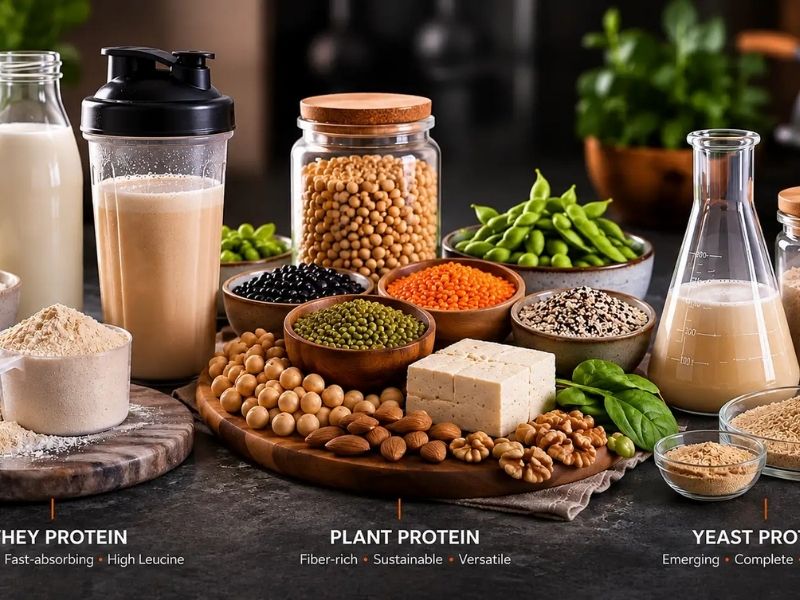
  • Protein Powder: For cyclists who struggle to get enough protein from food alone, a high-quality protein powder can be helpful in supporting muscle recovery after exercise. Whey proteins are popular for their rapid absorption, while plant-based proteins are a good alternative for vegetarians or those with intolerances.
  • BCAA (Branched Chain Amino Acids): BCAA are often used to reduce muscle fatigue and speed up recovery. They can be particularly useful during intense training or competition to minimize muscle breakdown.
  • Creatine: Although more commonly associated with strength training, creatine can also be beneficial for cyclists, especially for explosive efforts such as sprints. It helps to increase strength and power, and also improves recovery.
  • Multivitamins and minerals: A good multivitamin can help fill in any nutrient deficiencies, especially if you are following a restrictive diet. Adequate intake of iron, magnesium, zinc and vitamin D is essential for supporting performance and recovery in cycling.
  • Omega-3: The omega-3 fatty acids found in fish oil or flaxseed oil supplements have anti-inflammatory properties that can help reduce muscle soreness after exercise. They also support cardiovascular health, which is important for cyclists.
  • Caffeine: Caffeine is a natural stimulant that can improve alertness, concentration, and endurance. Taken before a race or intense ride, it can help you increase endurance and delay fatigue. It is available in powder , tablet, gel , or energy drink form.
  • Glucosamine and chondroitin : These supplements are often used to support joint health, especially for cyclists who experience joint pain from long hours on the bike. They can help reduce inflammation and maintain joint flexibility.

By choosing the right nutritional supplements and tailoring your nutrition to your specific cycling goals, you can improve your performance, speed your recovery, and reach your goals faster and more efficiently.

Common mistakes to avoid in cycling training and nutrition.

In cycling, it’s easy to make mistakes that can slow your progress or harm your health. Whether it’s nutrition or training, knowing the pitfalls and avoiding them is essential to maximizing your performance and maintaining your well-being. Here are the common mistakes to avoid for effective and sustainable progress.

The dangers of overly restrictive diets for cyclists.

Overly restrictive diets may seem appealing for quick weight loss or performance improvements, but they carry many risks for cyclists.

  • Nutrient Deficiencies: By eliminating entire food groups or drastically reducing your calorie intake, you risk depriving your body of essential nutrients needed to support physical exertion. Deficiencies in vitamins and minerals, particularly iron, calcium, and B vitamins, can lead to increased fatigue, injury, and decreased performance.
  • Decreased energy and performance: For example, a diet that is too low in carbohydrates can reduce your glycogen stores, which can reduce your endurance and ability to sustain prolonged exercise. This can manifest as poorer performance, faster fatigue, and slower recovery from exercise.
  • Loss of muscle mass: By cutting out too many calories or protein, you run the risk of losing not only fat, but also muscle mass. This can negatively affect your power on the bike, since muscle plays a crucial role in pedaling efficiently and powerfully.
  • Impact on metabolism: Restrictive diets can slow down your metabolism, making long-term weight loss more difficult. They can also lead to eating disorders or compulsive eating once the diet is over.
  • Balanced Diet Advice: To avoid these dangers, adopt a balanced nutritional approach that includes all food groups, with an emphasis on food quality rather than restriction. Make sure you consume enough carbohydrates, proteins, and healthy fats to meet your energy needs and maintain your performance.

Overtraining in cycling: signs to watch out for and prevention.

Overtraining is a risk for cyclists who train intensively without taking enough time for recovery. It can lead to decreased performance, injuries and general exhaustion. Here's how to recognize and prevent it.

Signs of overtraining.

  • Constant fatigue: Persistent fatigue, even after rest periods, is a major sign of overtraining. If you feel exhausted, even after a good night's sleep, this is a warning sign.
  • Decreased Performance: An unexplained drop in your performance, such as a decrease in strength or speed, despite regular training, may indicate that you are overtrained.
  • Muscle and joint pain: Pain that lasts longer than normal recovery time, recurring injuries or muscle strains are common signs of overtraining.
  • Sleep Disturbances: Difficulty falling asleep, waking up frequently, or poor sleep quality are often associated with overtraining.
  • Irritability and lack of motivation: Mood swings, increased irritability or loss of interest in training are emotional signs of overtraining.

How to avoid overtraining.

How to avoid overtraining

  • Proper planning: Integrate full rest days and active recovery periods into your training program. Don't forget the importance of recovery periods, as they give your body the chance to recover and adapt to the training load.
  • Listen to your body: Learn to recognize the signs of excessive fatigue and adjust your training accordingly. If you experience unusual fatigue or persistent pain, take a rest day or reduce the intensity of your sessions.
  • Vary the intensity: Vary the intensity and duration of your rides to avoid overtaxing the same muscle groups and energy systems. Add easy rides and recovery sessions to balance out intense efforts.
  • Training Load Monitoring: Use tools like a heart rate monitor or power meter to monitor your training load and ensure you're not pushing yourself beyond your limits.

Common mistakes when planning meals before a bike ride.

Pre-ride nutrition is crucial to providing the energy needed for optimal performance. However, common mistakes can negatively impact your ride. Here are the most common mistakes and how to avoid them.

  • Eating too close to your ride: Eating a large meal too close to your ride can lead to digestive issues like stomach cramps, bloating, or nausea. To avoid this, eat a balanced meal 3-4 hours before your ride, with a good amount of carbs, protein, and healthy fats.
  • Ignoring Nutrition Testing: Testing your nutrition during training is essential. Eating something new or unfamiliar on ride or race day without trying it before can cause unexpected digestive issues. Everyone’s body responds differently to food, so it’s important to know what works for you before incorporating it into your pre-ride routine.
  • Poor food choices: Foods high in fiber, fat, or protein right before a ride can slow down digestion and cause discomfort. Instead, opt for simple, easy-to-digest carbohydrates, such as a banana, toast with honey, or a low-fiber energy bar. These foods provide quick energy without taxing your digestive system.
  • Insufficient hydration: Not being sufficiently hydrated before your ride can lead to dehydration, which will negatively impact your performance. Drink plenty of water in the hours leading up to your ride, but avoid drinking too much just before you set off to avoid discomfort. Good hydration is crucial to maintaining your energy and focus during your ride.

By avoiding these common training and nutrition mistakes, you can maximize your cycling performance, reduce your risk of injury, and maintain a healthy balance between effort and recovery.

NEWSLETTER
󰁔
Get practical nutrition insights, training support, product updates, and performance-focused content delivered directly to your inbox.
CONTACT US
󰏲
+91 9711 879 978
󰇮
info@qntsport.in
100% SAFE & SECURE PAYMENTS:
Copyright © 2026, QNTSPORT.in, Inc. or its affiliates
Support
󰖣