Best Indian Diet for Muscle Gain: What Should You Eat?
A practical Indian muscle-gain diet should provide enough calories, adequate protein, useful carbohydrates, healthy fats and varied nutrient-rich foods alongside consistent resistance training.
Key Takeaways
The Simple Answer
If you are looking for the best Indian diet for muscle gain, you do not need an expensive or complicated meal plan.
Build your diet around enough total food, adequate protein, carbohydrates for training, healthy fats and nutrient-rich staples such as dal, paneer, curd, milk, soy, eggs, chicken, fish, rice, roti, oats, vegetables, fruits and nuts.
“Muscle gain needs more than protein—it needs progressive training, enough energy and consistent recovery.”
How Much Protein Do You Need for Muscle Gain?
Protein provides amino acids that support muscle repair and growth after training.
Individual requirements vary. This figure should be treated as a useful research-based reference rather than a fixed requirement for everyone.
Best Indian Protein Foods for Muscle Gain
| Food | Why It Is Useful |
|---|---|
| Paneer | Convenient vegetarian protein source. |
| Milk & curd | Provide protein plus other nutrients. |
| Dal & pulses | Add protein, carbohydrates and fibre. |
| Soy chunks & tofu | High-protein vegetarian options. |
| Eggs | High-quality and versatile protein. |
| Chicken | Lean protein option for non-vegetarians. |
| Fish | Provides protein and useful dietary fats. |
| Whey protein | Convenient when food intake falls short. |
| Nuts & seeds | Provide protein and healthy fats but are calorie-dense. |
ICMR-NIN dietary guidance encourages variety across pulses, legumes, milk products, eggs, fish or meat as appropriate rather than relying on only one protein source.
Simple Indian Muscle Gain Diet Plan
You do not need six or seven meals every day. Start with balanced meals you can follow consistently.
Exact portions depend on body size, activity level and individual calorie needs.
Do Carbs Matter for Muscle Gain?
Yes. Rice, roti, oats, potatoes, fruits and other carbohydrate-containing foods provide energy that can support demanding workouts.
You do not need to remove carbohydrates when your goal is muscle growth. Balanced meals provide both the building blocks and energy needed to support training.
Vegetarian Muscle Gain Diet
A vegetarian muscle gain diet can work well when protein sources are planned properly.
QNT Product Suggestion
What Actually Builds Muscle?
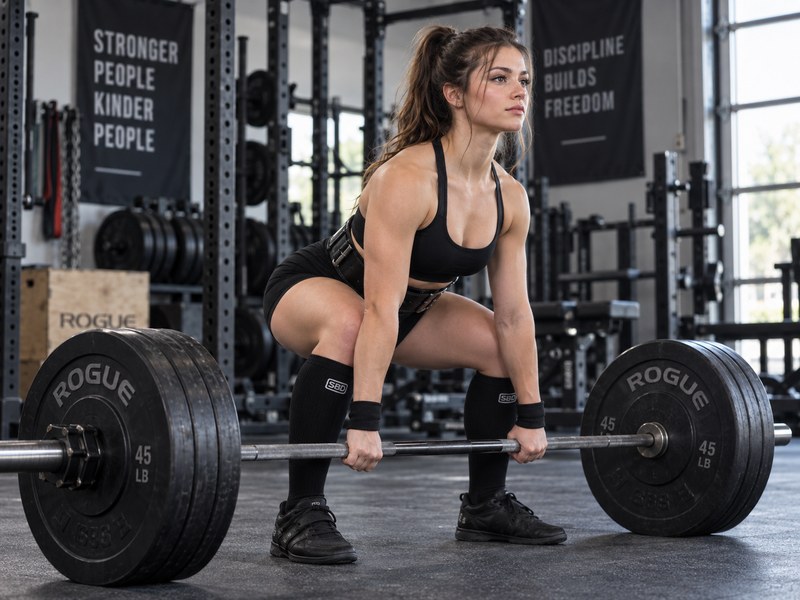
Protein supplements can support the process, but resistance training remains the major stimulus for gaining muscle.
Frequently Asked Questions
What is the best Indian diet for muscle gain?
A balanced diet containing protein-rich foods such as paneer, milk, curd, dal, soy, eggs, chicken or fish alongside rice, roti, vegetables, fruits and healthy fats can support muscle gain.
How much protein should I eat for muscle gain?
Research suggests around 1.6 g/kg/day is a useful reference for many healthy adults performing resistance training, although individual requirements vary.
Can I build muscle on a vegetarian Indian diet?
Yes. Paneer, curd, milk, tofu, soy, dal, beans and other pulses can provide substantial protein when meals are planned well.
Is rice good for muscle gain?
Yes. Rice provides carbohydrates that can contribute energy for training and can easily be combined with protein sources such as dal, paneer, eggs, chicken or fish.
Is whey protein necessary for muscle gain?
No. Whey is convenient, not compulsory. You can build muscle using food alone if your diet provides sufficient protein and total nutrition.
Final Answer
The best Indian diet for muscle gain is not one fixed menu.
Build your diet around adequate protein, enough overall food, useful carbohydrates, varied whole foods and consistent resistance training. Indian staples already provide plenty of options—the key is planning portions and protein sources around your training goals.
“Train progressively, eat enough protein and energy, and give your body time to recover.”
References
- Meta-analysis of resistance-training studies examining protein intake, lean mass and strength outcomes.
- ICMR-NIN Dietary Guidelines for Indians covering varied food and protein sources within a balanced diet.