Iron Deficiency in Female Athletes: Signs Your Performance Is Being Affected
Learn how low iron can affect endurance, energy and recovery, which blood tests matter and why supplementation should follow professional assessment.
Key Takeaways
Introduction
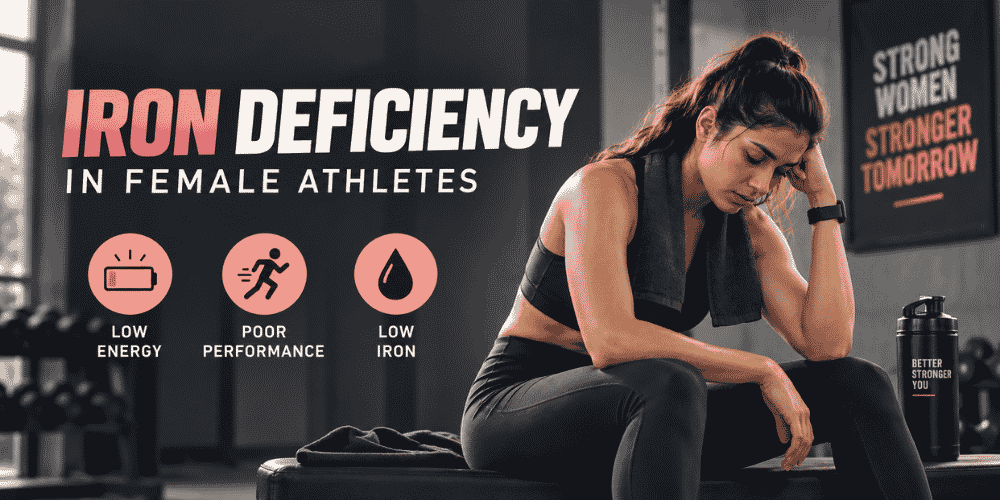
Feeling unusually exhausted during training does not always mean you need more motivation, caffeine or rest. For some active women, declining endurance, poor concentration and persistent fatigue may be connected to low iron stores.
Iron deficiency in female athletes can develop gradually and may begin before anaemia appears. An athlete may continue training while ferritin falls, making early changes easy to dismiss as stress, under-recovery or a temporary loss of fitness.
Why Iron Matters for Athletic Performance
Iron is an essential mineral involved in oxygen transport, muscle function and cellular energy production. When availability falls, familiar training intensities may feel harder and recovery may take longer.
Iron forms part of haemoglobin, which carries oxygen from the lungs to working tissues.
Myoglobin helps deliver and store oxygen inside muscle tissue.
Iron contributes to metabolic processes required for cellular energy production.
Adequate iron status also supports normal concentration and neurological function.
Why Female Athletes May Be at Greater Risk
Menstruation
Monthly blood loss increases iron requirements, particularly when periods are heavy or prolonged.
Exercise-Related Losses
Sweat, gastrointestinal losses, impact-related red blood cell breakdown and urinary losses may contribute.
Post-Exercise Hepcidin
Exercise can temporarily raise hepcidin, a hormone that reduces iron absorption and availability.
Low Energy Availability
Restrictive eating may reduce iron intake while also affecting menstrual health, recovery and bone health.
Vegetarian or Vegan Diets
Plant-based diets can support performance, but non-haem iron is generally absorbed less efficiently.
Growth and Medical Causes
Adolescence, blood donation, coeliac disease, inflammatory bowel disease and poor absorption can increase risk.
Low Iron Symptoms in Female Athletes
Iron deficiency symptoms can resemble overtraining, poor sleep, stress, low calorie intake or inadequate carbohydrate intake. Look for persistent patterns rather than one difficult session.
Iron Deficiency Is Not the Same as Anaemia
Iron status usually declines in stages. Waiting for haemoglobin to fall may allow the problem to progress further than necessary.
| Stage | What Changes | Possible Athlete Experience |
|---|---|---|
| 1. Declining iron stores | Ferritin begins to fall while haemoglobin may remain normal | Symptoms may be absent or very subtle |
| 2. Iron deficiency without anaemia | Stored and available iron decline, but haemoglobin can remain within range | Fatigue, reduced endurance or poor recovery may appear |
| 3. Iron-deficiency anaemia | Haemoglobin production and oxygen-carrying capacity decline | Symptoms and performance effects may become more pronounced |
How Is Iron Deficiency Tested?
A clinician may review several blood markers rather than relying on haemoglobin or ferritin alone.
When Should a Female Athlete Consider Testing?
- ✓Unexplained decline in endurance
- ✓Ongoing fatigue despite adequate sleep
- ✓Repeated difficulty completing normal sessions
- ✓Slower recovery without a clear explanation
- ✓Heavy or prolonged menstrual bleeding
- ✓Vegetarian or vegan diet with high training volume
- ✓History of low ferritin or iron-deficiency anaemia
- ✓Frequent blood donation or digestive problems
- ✓Rapid increase in training volume
- ✓Restrictive eating or suspected low energy availability
- ✓Preparation for altitude training
- ✓Adolescent growth combined with heavy training
Iron and Exercise Performance
Iron deficiency can affect performance before severe anaemia appears. Endurance sports may show the clearest effects because aerobic activity depends heavily on oxygen transport and mitochondrial energy production.
Running, cycling, rowing and field sports may feel harder at familiar intensities.
Athletes may experience a higher sense of effort during normal training sessions.
Fatigue may reduce the volume, intensity or consistency an athlete can maintain.
Low iron may interfere with effective adaptation to an endurance programme.
Iron-Rich Nutrition for Female Athletes
A balanced female athlete nutrition plan should include regular iron-rich foods rather than relying on one occasional high-iron meal.
| Iron Type | Food Sources | Absorption Consideration |
|---|---|---|
| Haem iron | Lean red meat, poultry, fish, shellfish and organ meats | Generally absorbed more efficiently |
| Non-haem iron | Lentils, beans, tofu, soy, seeds, nuts, leafy vegetables and fortified grains | Absorption is lower but can be improved with vitamin C |
- Lentils and chickpeas
- Rajma and other beans
- Soybeans and tofu
- Sesame and pumpkin seeds
- Cashews and green peas
- Dark leafy vegetables
- Iron-fortified cereals and grains
- Lentils with tomatoes or capsicum
- Chickpeas with lemon or amla
- Tofu with broccoli
- Fortified cereal with berries or guava
- Beans with a vitamin C-rich salad
Should Female Athletes Take Iron Supplements?
Iron supplements should not be treated like a routine performance product. They may be appropriate when blood testing confirms deficiency or a healthcare professional identifies a clear medical need.
The recommended form, amount and duration depend on laboratory results, symptoms, tolerance, menstrual losses, absorption and the underlying cause.
- Nausea
- Constipation
- Abdominal discomfort
- Diarrhoea
- Medication interactions
- Confirms whether treatment is working
- Reduces unnecessary long-term use
- Helps identify ongoing blood loss
- Supports investigation of poor absorption
- Reduces the risk of excessive iron intake
A Practical Action Plan
Review Symptoms
Look for persistent changes in fatigue, endurance and concentration.
Assess Menstrual Health
Discuss heavy, prolonged or irregular periods with a professional.
Review Nutrition
Check iron sources, total calories, protein and dietary restriction.
Request Testing
Discuss ferritin, a blood count and other relevant markers.
Identify the Cause
Investigate menstrual losses, low intake, poor absorption, blood donation and training factors.
Follow the Treatment Plan
Use prescribed treatment and complete repeat testing to monitor improvement.
Female Athlete Iron Checklist
- ✓Iron-rich foods appear regularly across the week
- ✓Plant iron is paired with vitamin C
- ✓Total calorie intake supports training demands
- ✓Restrictive eating patterns have been addressed
- ✓Persistent symptoms have been professionally assessed
- ✓Testing includes more than haemoglobin alone
- ✓The underlying cause has been investigated
- ✓Supplements are used only as professionally advised
The Final Verdict
Iron deficiency in female athletes is common enough to deserve attention, but fatigue alone cannot confirm it. Declining endurance, unusual weakness and poor recovery become more concerning when combined with heavy periods, restrictive eating, plant-based diets or high training volume.
Ferritin may decline before haemoglobin becomes abnormal, so appropriate testing can identify problems earlier. Nutrition should remain the foundation, while supplementation should follow professional assessment, cause identification and repeat monitoring.
Frequently Asked Questions
What are common signs of low iron in female athletes?
Persistent fatigue, reduced endurance, unusual weakness, difficulty concentrating and slower recovery may occur. Blood testing is needed because these symptoms have several possible causes.
Can you have iron deficiency without anaemia?
Yes. Ferritin and iron stores can decline while haemoglobin remains within the normal range. This is commonly described as iron deficiency without anaemia.
What ferritin level is considered low for athletes?
Many adult medical frameworks consider ferritin below 30 micrograms per litre suggestive of iron deficiency. Athlete interpretation varies and should include symptoms, inflammation, haemoglobin and transferrin saturation.
Does low iron affect exercise performance?
The timeline depends on severity, treatment, absorption, menstrual losses and the underlying cause. Symptoms may improve before iron stores are fully restored, so follow-up testing remains important.