Nutrition and Recovery Tips for Active Women
Learn how protein, carbohydrates, hydration, iron, sleep and balanced post-workout meals can support performance, muscle recovery and long-term health in active women.
Key takeaways

Why recovery nutrition matters
Training creates the stimulus for progress, but nutrition and recovery influence how effectively the body adapts. Recovery involves more than drinking a protein shake immediately after exercise.
Active women also need sufficient total food, carbohydrates for fuel restoration, adequate protein, appropriate hydration, important micronutrients and enough sleep.
Requirements differ according to training type, body weight, menstrual status, age, dietary preferences, health and fitness goals. The most useful plan is consistent, balanced and appropriate for the individual—not unnecessarily restrictive.
1. Eat enough to support your activity
One of the most important recovery tips for active women is also one of the most overlooked: consume enough total energy.
Increasing training while sharply reducing food intake can leave too little energy available for normal physiological functions after exercise demands have been considered.
Possible warning signs
These symptoms may have several causes and should not be self-diagnosed. Persistent changes deserve assessment from a qualified healthcare professional.
2. Prioritise protein throughout the day
Protein supplies amino acids used for muscle repair and remodelling after exercise. It also contributes to enzymes, hormones, antibodies and structural tissues.
Female athletes are commonly advised to consume approximately 1.4–2.2 g of protein per kilogram of body weight per day, distributed across meals and snacks. Individual needs depend on training demand, age, energy intake and recovery requirements.
| Protein target | Daily intake for a 60 kg woman | General context |
|---|---|---|
| 1.4 g/kg | 84 g | Lower end of the female-athlete range. |
| 1.6 g/kg | 96 g | Practical target for many active women. |
| 2.0 g/kg | 120 g | May suit higher training or recovery demands. |
| 2.2 g/kg | 132 g | Upper end of the broad athletic range. |
Useful protein sources
3. Keep carbohydrates in your recovery plan
Carbohydrates are an important fuel source during many moderate- and high-intensity activities. Exercise can reduce muscle glycogen, the stored carbohydrate used during training.
Carbohydrate intake becomes especially relevant after long sessions, intense resistance training, endurance exercise or multiple workouts performed within a short recovery period.
Protein repairs
Protein supplies amino acids used for muscle repair and remodelling.
Carbohydrates refuel
Carbohydrates help restore muscle glycogen used during demanding exercise.
Both support recovery
A complete recovery plan should not treat carbohydrates and protein as competing nutrients.
Practical carbohydrate sources
4. Build a complete post-workout meal
The ideal recovery meal depends on workout intensity, duration, time of day and how soon the next training session will take place.
Add protein
Choose whey, yogurt, paneer, tofu, eggs, fish, chicken, soy or pulses.
Restore carbohydrates
Add rice, roti, oats, potatoes, bread, fruit or another suitable carbohydrate.
Replace fluids
Drink according to losses and consider electrolytes after long, hot or sweat-heavy sessions.
Post-workout meal ideas
| Meal idea | Protein source | Carbohydrate source |
|---|---|---|
| Whey with banana and oats | Whey protein | Banana and oats |
| Paneer with rice and vegetables | Paneer | Rice |
| Tofu with roti and curd | Tofu and curd | Roti |
| Yogurt with fruit and cereal | Greek-style yogurt | Fruit and cereal |
| Dal, rice, vegetables and curd | Dal and curd | Rice |
| Fish or chicken with potatoes | Fish or chicken | Potatoes |
5. Hydrate according to your needs
Hydration requirements vary according to body size, sweat rate, climate, clothing, altitude, workout intensity and exercise duration.
Water may be enough when
- The workout is short
- Exercise intensity is moderate
- Weather conditions are comfortable
- Sweat losses are relatively low
Electrolytes may help when
- Training lasts for an extended period
- Sweat losses are substantial
- Conditions are hot and humid
- Several sessions occur in one day
6. Pay attention to iron
Iron contributes to oxygen transport, energy metabolism and normal muscle function. Menstruating women may be more vulnerable to low iron stores, particularly when menstrual bleeding is heavy.
Plant-based athletes may also need careful planning because non-haem iron from plant foods is absorbed less efficiently than iron from animal foods.
Plant-based sources
Lentils, beans, soy, seeds, dark-green vegetables and fortified cereals.
Animal sources
Eggs, meat and seafood can contribute dietary iron.
Improve absorption
Pair plant-based iron with vitamin C-rich foods such as capsicum, tomatoes or fruit.
7. Support bone health
Adequate energy
Low energy availability can negatively affect bone health and physical recovery.
Protein
Protein contributes to the structural matrix of bone and supports surrounding muscles.
Calcium
Dairy, calcium-set tofu and fortified alternatives can contribute calcium.
Vitamin D
Vitamin D supports calcium absorption and normal muscle and immune function.
8. Treat sleep as part of recovery
Recovery cannot be completed through food alone. Sleep supports physical and psychological restoration, while poor-quality sleep can make training feel harder and reduce readiness for the next session.
9. Use supplements strategically
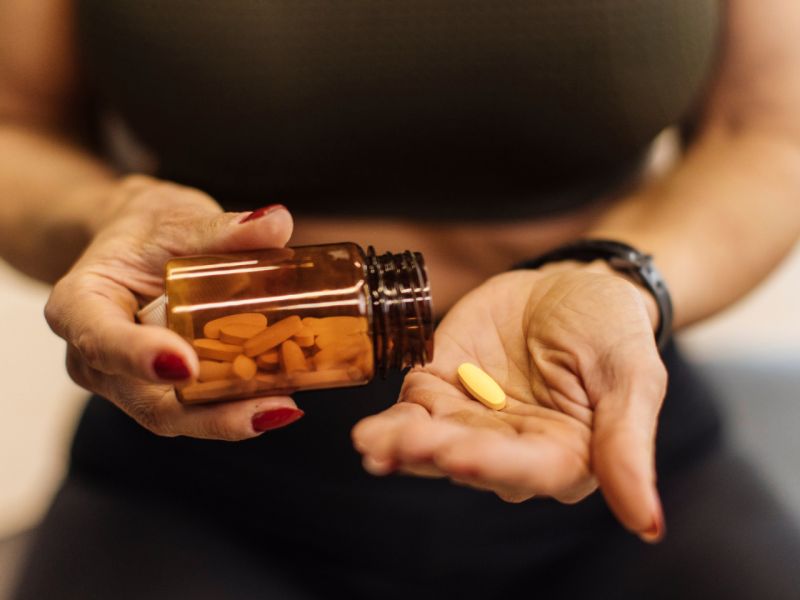
Supplements can improve convenience, but each product should have a clear purpose. More products do not automatically produce faster recovery.
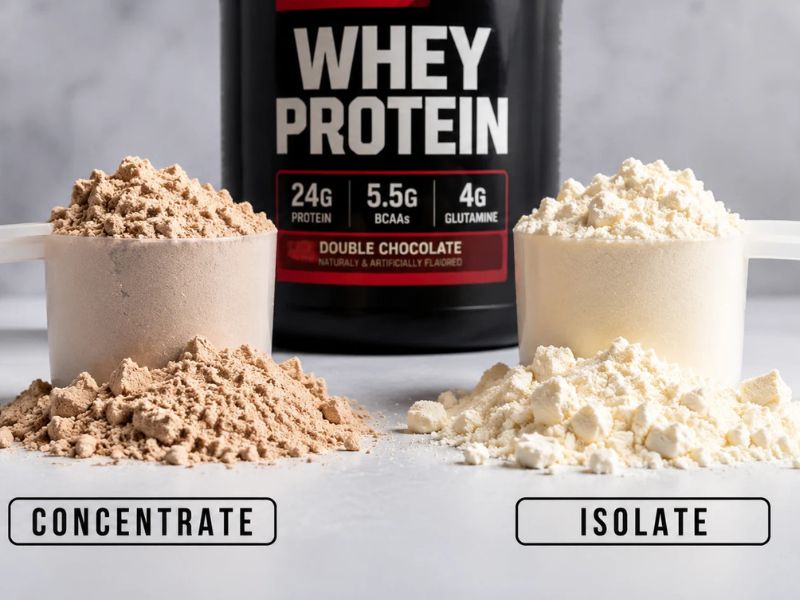
Whey protein may help when
- Meals do not provide enough protein
- A portable post-workout option is required
- Regular meals are difficult during work or travel
- A vegetarian diet needs additional convenience
Electrolytes may help when
- Training is prolonged
- Conditions are hot or humid
- Sweat losses are substantial
- Recovery time between sessions is short
Supplement buying checklist
Where QNT products can fit
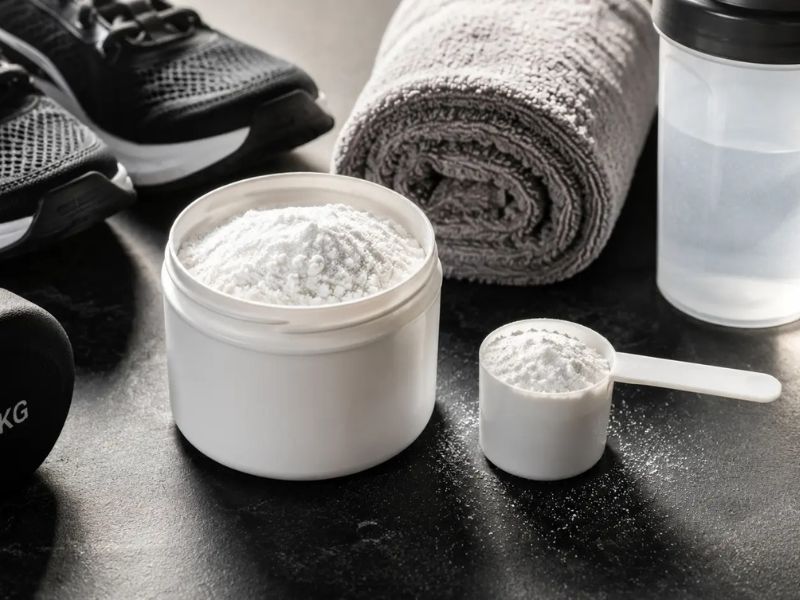
QNT whey protein may provide a convenient source of complete protein when regular meals do not supply enough to meet an individual target.
Electrolyte products may also support fluid replacement during prolonged, hot or high-sweat activity. Product choice should reflect training needs, dietary intake, tolerance and label instructions.
Explore Recovery NutritionFrequently asked questions
What should an active woman eat after a workout?
A practical recovery meal should generally include protein, carbohydrates and fluids. Examples include whey with fruit and oats, paneer with rice, tofu with roti or yogurt with fruit and cereal.
How much protein does an active woman need?
Female athletes are commonly advised to consume approximately 1.4–2.2 g/kg per day. Women performing moderate recreational exercise may not need the upper end of this range.
Is whey protein good for active women?
Yes. Dairy, soy, tofu, paneer, pulses, beans, grains, seeds and suitable protein supplements can support recovery when meals are planned carefully.
Final word
Effective recovery nutrition for active women begins with enough total food, adequate protein, carbohydrates matched to training demand, appropriate hydration and nutrient-rich meals.
Protein supports tissue repair, carbohydrates restore fuel, fluids replace losses and sleep allows physical and psychological recovery. Iron, calcium and vitamin D also deserve attention.
Supplements can provide convenience when they solve a genuine nutritional problem, but persistent fatigue, menstrual changes, declining performance and repeated injuries should be treated as health signals rather than normal consequences of training.
Research referenced in this guide
- International guidance on Relative Energy Deficiency in Sport and low energy availability.
- Female-athlete sports-nutrition guidance covering protein intake and nutrient timing.
- Sports-nutrition recommendations for carbohydrate intake, glycogen restoration and exercise performance.
- Clinical nutrition guidance relating to iron intake, menstruation and plant-based diets.
- Nutrition guidance covering vitamin D, calcium absorption and bone health.
- Research examining sleep quality, recovery and the effects of evening caffeine use.