Protein Requirements for Women Over 30: How Much Do You Really Need?
Calculate your daily protein requirement based on body weight, activity and fitness goals, and learn how protein supports muscle, recovery and weight management after 30.
Key takeaways
Why protein matters after 30
Turning 30 does not suddenly create a new protein requirement. However, muscle mass may gradually decline during adulthood, making sufficient protein and resistance training increasingly relevant for maintaining strength, body composition and physical function.
Protein is also used to produce enzymes, hormones, antibodies and structural tissues. Women who train regularly, follow a calorie deficit or struggle to eat balanced meals may need more than the basic adult recommendation.
The goal is not to consume as much protein as possible. It is to reach an appropriate daily amount consistently while maintaining enough carbohydrates, healthy fats, fibre, vitamins and minerals.
Daily protein requirements for women over 30
Protein recommendations are commonly expressed in grams per kilogram of body weight. The appropriate range depends on how active you are and what you want your nutrition plan to support.
| Activity or goal | Practical daily range | General context |
|---|---|---|
| Mostly sedentary | Around 0.8 g/kg | Baseline requirement for general health. |
| Recreational exercise | Approximately 1.2–1.6 g/kg | Suitable for general fitness and regular activity. |
| Resistance training | Approximately 1.4–2.0 g/kg | Supports training adaptation and recovery. |
| High-volume female athlete | Approximately 1.4–2.2 g/kg | Needs depend on training load and recovery demands. |
What adequate protein can support
Lean muscle
Supports the maintenance of muscle tissue throughout adulthood.
Exercise recovery
Provides amino acids used during muscle repair after training.
Strength and function
Supports physical function when combined with resistance exercise.
Normal body processes
Protein contributes to enzymes, hormones, antibodies and structural tissues.
Meal satisfaction
Higher-protein meals may help improve fullness during weight-management programmes.
Protein for women over 30 who want to build muscle
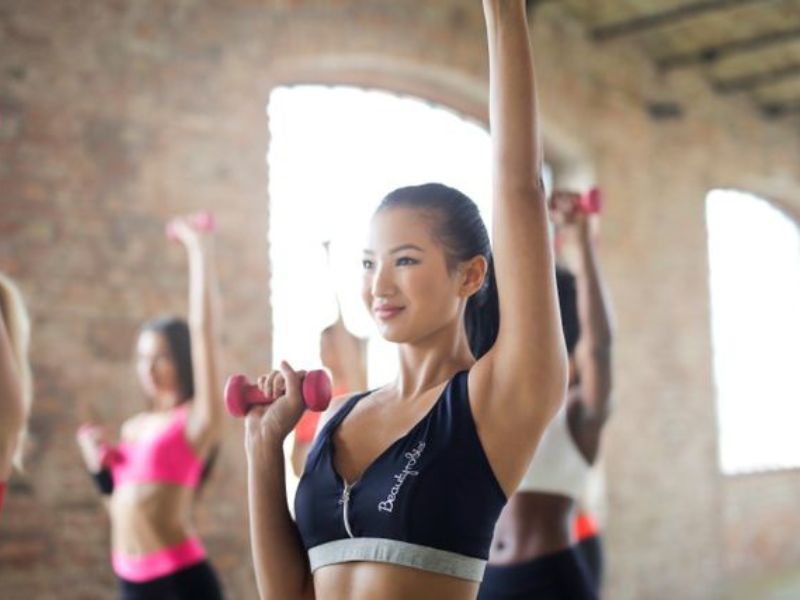
Women following a structured resistance-training programme can generally aim within the 1.4–2.0 g/kg daily range, depending on training volume, calorie intake and recovery demands.
Research in healthy adults suggests that benefits for muscle size and strength may level off around approximately 1.6 g/kg for many people, although individual requirements vary.
Protein for women over 30 during weight loss
Protein can be useful during a calorie deficit because weight-loss programmes may reduce both body fat and lean tissue.
A higher-protein intake may improve meal satisfaction and support muscle retention, particularly when combined with resistance training. However, protein does not remove the need for an appropriate calorie deficit.
How much protein should women eat per meal?
Eating nearly all your protein at dinner can make it difficult to reach meaningful amounts earlier in the day. Active women can distribute protein across meals approximately every three to four hours.
These are practical examples rather than fixed instructions. A woman targeting 75 g per day needs a different distribution from someone targeting 120 g.
Best protein sources for women over 30
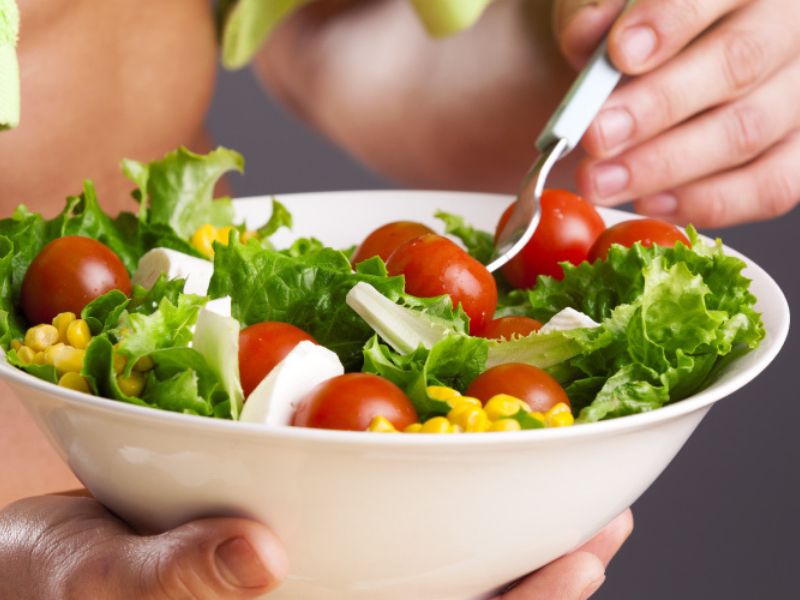
Whole foods should form the foundation of protein intake because they also provide nutrients such as vitamins, minerals, fibre, carbohydrates and healthy fats.
Vegetarian protein sources
- Milk, curd and Greek-style yogurt
- Paneer and cottage cheese
- Soybeans, tofu and tempeh
- Dal and lentils
- Chickpeas and kidney beans
- Peas
- Nuts and seeds
- Quinoa
- Whey or plant protein when needed
Non-vegetarian protein sources
- Eggs
- Fish
- Chicken
- Lean meat
- Milk and dairy products
The best sources are those that fit your dietary pattern, tolerance, budget and daily requirement.
Is whey protein good for women over 30?
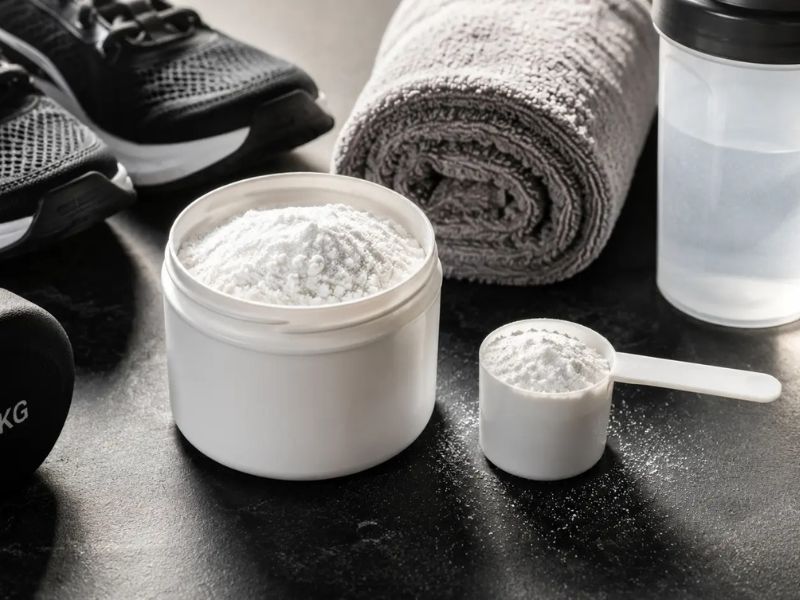
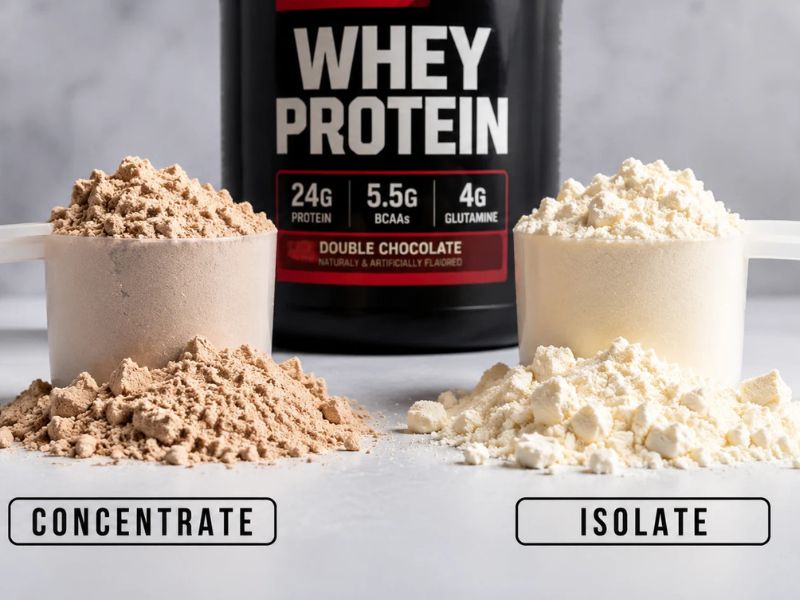
Whey protein is not a male-only or bodybuilding-only supplement. It is a milk-derived complete protein containing all essential amino acids and can help fill a genuine dietary protein gap.
Whey may be particularly practical when regular meals are difficult, breakfast is low in protein or post-workout food is not immediately available.
Common protein mistakes women make
Low-protein breakfast
Tea, toast or fruit alone may provide little protein. Add curd, paneer, tofu, milk, eggs or a suitable shake.
Depending only on dal
Dal is nutritious, but one standard serving may not meet a higher daily protein requirement.
Using nuts as the main source
Nuts provide protein but are energy-dense, making them impractical as the primary protein source.
Adding unnecessary scoops
Calculate protein from food before increasing the number of supplement servings.
Avoiding resistance training
Protein supports adaptation, but it cannot replace the exercise stimulus required for muscle growth.
How to build your protein plan
Calculate
Multiply body weight by the range suited to your activity.
Review meals
Estimate how much protein you already obtain from food.
Distribute
Spread protein across breakfast, lunch, snacks and dinner.
Fill gaps
Use whey or another suitable product only when necessary.
Where QNT whey protein fits
QNT whey protein can be used as a convenient protein source when meals do not provide enough to reach an individual daily target.
Frequently asked questions
How much protein should a woman over 30 eat daily?
The adult baseline is around 0.8 g/kg per day. Regularly exercising women may require approximately 1.4–2.0 g/kg, while highly active female athletes may use up to around 2.2 g/kg.
Is 100 g of protein enough for a woman?
It depends on body weight and activity. For a 60 kg woman, 100 g equals approximately 1.67 g/kg. For a 90 kg woman, it equals approximately 1.11 g/kg.
Do women need more protein after turning 30?
Women with kidney or liver disease, pregnancy, breastfeeding, digestive disorders, food allergies, medication use or a prescribed protein restriction should seek personalised guidance.
Final word
Protein requirements for women over 30 should be calculated according to body weight, activity and goals—not age alone.
The official adult baseline is approximately 0.8 g/kg per day. For many active women, approximately 1.4–2.0 g/kg per day, distributed across several meals, provides a practical range.
Prioritise protein-rich foods, use whey or another supplement only when it fills a genuine gap, and combine adequate protein with resistance training, balanced nutrition and consistent recovery.
Research referenced in this guide
- Official Recommended Dietary Allowance guidance for adult protein intake.
- International Society of Sports Nutrition guidance on protein and exercise.
- Female-athlete nutrition guidance covering protein intake across reproductive stages.
- Systematic reviews examining resistance training, strength and body composition in women.
- Research evaluating protein supplementation alongside resistance training.
- Systematic reviews examining whey protein supplementation and lean mass in women.