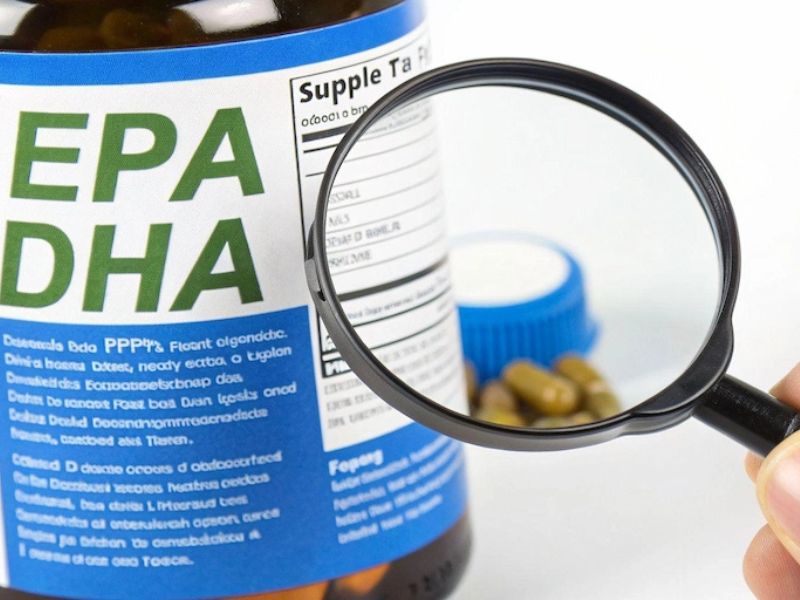
Omega-3 Tablets vs Liquid Fish Oil: Pros, Cons & Which One to Choose
Compare convenience, taste, dosage flexibility, absorption, freshness and EPA-DHA content to choose the omega-3 format that fits your lifestyle.
Key Takeaways
Introduction
Omega-3 supplements are available as tablets, softgels, capsules and liquid fish oil. Each format may claim to be the better choice, but both can deliver the same core fatty acids when they use high-quality oil.
The more useful comparison is not simply liquid versus capsule. It is the supplement’s EPA and DHA content, freshness, chemical form, purity and suitability for your routine.
“Your body benefits from the omega-3 you consistently take—not the supplement that remains unopened.”
Omega-3 Tablets vs Liquid Fish Oil: What’s the Difference?
Both formats provide omega-3 fatty acids, primarily EPA and DHA. The main difference is how the oil is delivered, measured, stored and consumed.
Omega-3 Tablets
Softgels contain liquid fish oil inside a protective shell, providing a fixed serving with minimal taste and easy portability.
Liquid Fish Oil
Bottled oil allows the serving to be measured and adjusted, offering greater dosage flexibility but requiring more careful storage.
Omega-3 Format Comparison
| Feature | Omega-3 Tablets | Liquid Fish Oil |
|---|---|---|
| Convenience | Excellent | Moderate |
| Taste | Virtually tasteless | Fishy taste may be noticeable |
| Dosage flexibility | Fixed dosage | Easy to adjust |
| Portability | Travel-friendly | Less convenient |
| Freshness after opening | Individual servings remain protected | Requires careful storage |
| Oxidation risk | Generally lower during everyday use | Higher after repeated exposure to air |
| Best suited for | Everyday users and travellers | Families and flexible-dose users |
Does One Format Absorb Better?
Liquid fish oil does not automatically absorb better than capsules. Omega-3 absorption depends more on the chemical form of the oil and whether it is consumed with a meal.
If a liquid and a softgel contain the same high-quality oil in the same chemical form, the practical difference in absorption is usually minimal.
Triglyceride
A naturally occurring fish oil form that is generally considered well absorbed.
Re-Esterified Triglyceride
A refined form designed to maintain strong EPA and DHA bioavailability.
Ethyl Ester
A more processed form that may be slightly less efficiently absorbed than triglyceride forms.
Pros and Cons of Omega-3 Tablets
- ✓ Easy to carry while travelling
- ✓ No measuring required
- ✓ Minimal fishy taste or smell
- ✓ Better protection from repeated air exposure
- ✓ Convenient shelf-stable format
- — The serving size is fixed
- — Some people dislike swallowing capsules
- — Higher EPA and DHA targets may require multiple softgels
Pros and Cons of Liquid Fish Oil
- ✓ Serving sizes can be adjusted
- ✓ Suitable for people who struggle with capsules
- ✓ May suit children or older adults when appropriately formulated
- ✓ Can provide higher amounts without multiple capsules
- — The taste may be unpleasant for some users
- — Some products require refrigeration after opening
- — Repeated exposure to air can increase oxidation risk
- — Bottles are less convenient for travel
Which Option Is Better for Different People?
| User | Better Choice | Reason |
|---|---|---|
| Beginners | Omega-3 tablets | Easy to measure and add to a daily routine |
| Athletes | Either format | Choice depends on required EPA and DHA intake |
| Children | Child-friendly liquid | May be easier when specifically formulated for children |
| Older adults | Liquid when needed | May help when swallowing capsules is difficult |
| Frequent travellers | Omega-3 tablets | More portable and easier to store |
| People who dislike capsules | Liquid fish oil | Avoids swallowing large softgels |
Quality Matters More Than Format
A convenient format cannot compensate for low active omega-3 content, poor freshness or unclear manufacturing information. Evaluate product quality before deciding between tablets and liquid.
Omega-3 Buying Checklist
- ✓ EPA and DHA are clearly listed
- ✓ The oil form is disclosed
- ✓ Freshness or oxidation is addressed
- ✓ Third-party quality testing is available
- ✓ The format is easy for you to consume
- ✓ The serving matches your EPA-DHA target
- ✓ You can follow the storage instructions
- ✓ The supplement fits your daily routine
Building a Daily Wellness Routine
QNT Omega-3 Fish Oil Softgels
An easy-to-use softgel format for people seeking a convenient source of EPA and DHA as part of their daily nutrition routine.
Daily Vitamins Complete Formula
A balanced vitamin and mineral supplement can complement omega-3 intake and a varied diet as part of overall wellness support.
Which One Should You Choose?
Check EPA & DHA
Compare active omega-3 content rather than total oil or capsule size.
Review Quality
Assess purity, testing, freshness, oil form and sourcing.
Match Your Routine
Choose the format that is practical to store, consume and remember.
Use Consistently
Follow the serving and storage instructions for regular use.
Convenience, portability, a fixed serving, minimal taste and better protection from repeated exposure to air.
Adjustable servings, easier consumption without capsules or a format that can serve different household needs.
The Final Verdict
Liquid fish oil is not automatically better than capsules, and capsules are not automatically higher quality than liquid. When both formats contain sufficient EPA and DHA from a high-quality source, they can offer similar nutritional benefits.
Choose tablets when convenience and portability matter most. Choose liquid when adjustable servings or easier swallowing matter more. In either case, prioritise purity, freshness, transparent EPA-DHA content and consistent use.
“Quality comes before format, and consistency comes before convenience claims.”
Frequently Asked Questions
Are omega-3 tablets better than liquid fish oil?
Neither format is universally better. Both can provide similar benefits when they contain high-quality fish oil with adequate EPA and DHA.
Should I choose fish oil capsules or liquid fish oil?
Choose capsules when convenience, portability and minimal taste are priorities. Choose liquid when you want adjustable servings or have difficulty swallowing capsules.
Which omega-3 supplement is best for daily use?
A high-quality supplement with transparent EPA-DHA content, low oxidation, suitable storage requirements and third-party quality testing is appropriate for regular use.
Does liquid fish oil provide the same benefits as omega-3 tablets?
Yes. When both products provide sufficient EPA and DHA from a high-quality source, they can offer similar support for heart, brain, joint and overall wellness.
How do I choose the best omega-3 supplement?
Review EPA and DHA amounts, oil form, freshness, oxidation control, third-party testing, sustainable sourcing and manufacturing standards.