Omega-3 Benefits: What the Research Actually Says
Explore the research-backed benefits of EPA, DHA and ALA, how omega-3 supports normal heart, brain and eye function, and what to check before choosing a fish-oil supplement.
Key Takeaways
What Omega-3 Can—and Cannot—Do
Omega-3 has been promoted for heart health, brain function, eye health, joint comfort, exercise recovery and general wellness. Some of these benefits are supported by decades of research, while others require more cautious interpretation.
The evidence also depends on the type of omega-3, the amount consumed, the user’s normal diet and the outcome being studied. Understanding the difference between EPA, DHA and ALA makes product labels and health claims easier to evaluate.
“Omega-3 is neither a miracle supplement nor an empty wellness trend. Its value depends on the form, dose, diet and reason for use.”
Understanding EPA, DHA and ALA
Omega-3 describes a family of polyunsaturated fatty acids rather than one single nutrient.
EPA
Eicosapentaenoic acid is primarily obtained from fish, seafood and fish-oil supplements. It is studied for cardiovascular function and inflammatory-response pathways.
DHA
Docosahexaenoic acid is an important structural component of the brain and retina and contributes to normal neurological and visual function.
ALA
Alpha-linolenic acid is found in flaxseeds, chia seeds, walnuts and selected plant oils. It is essential because the body cannot produce it independently.
EPA vs DHA vs ALA
| Omega-3 form | Main sources | Commonly studied roles |
|---|---|---|
| EPA | Fatty fish, seafood and fish oil | Cardiovascular function and inflammatory-response pathways |
| DHA | Fatty fish, seafood, fish oil and algae | Brain structure, normal vision and neurological development |
| ALA | Flaxseeds, chia seeds, walnuts and plant oils | Essential dietary fat and precursor to limited EPA and DHA production |
What Are the Research-Backed Benefits of Omega-3?
The strength of evidence varies by outcome. The most established roles relate to cardiovascular function, triglycerides, brain and eye structure, and normal cellular function.
Heart and Triglyceride Support
EPA and DHA are extensively studied for cardiovascular function and their role in maintaining normal blood triglyceride levels.
Brain Structure and Function
DHA is concentrated in the brain and contributes to normal neurological structure and function throughout life.
Inflammatory-Response Regulation
EPA and DHA participate in pathways involved in the body’s normal inflammatory and resolution processes.
Eye Health
DHA is a major structural component of the retina and contributes to normal visual function.
Cell Membrane Function
Omega-3 fatty acids form part of cell membranes and contribute to normal cellular signalling and structure.
Exercise-Recovery Research
Research is exploring how omega-3 may complement recovery when combined with appropriate training, protein, hydration and sleep.
Omega-3 and Heart Health
Cardiovascular health is one of the most researched areas of omega-3 nutrition. EPA and DHA contribute to normal heart function and are studied for their effects on triglyceride levels and other cardiovascular markers.
Omega-3 and Brain Function
DHA is an important structural component of brain-cell membranes. Adequate intake supports normal brain development and neurological function.
Development
DHA plays a structural role during brain and nervous-system development.
Normal Cognitive Function
DHA supports the structure of brain tissue involved in memory, communication and cognition.
Healthy Ageing Research
Research into supplementation and age-related cognitive decline remains active and does not support exaggerated guarantees.
Inflammatory Responses and Exercise Recovery
Omega-3 does not simply switch inflammation off. EPA and DHA participate in biological pathways involved in normal inflammatory signalling and resolution.
For active individuals, adequate omega-3 intake may complement a recovery plan, but it cannot replace sufficient protein, total calories, sleep, hydration and sensible training volume.
Omega-3 and Eye Health
DHA is highly concentrated in the retina, where it contributes to normal visual structure and function. Maintaining adequate DHA intake supports normal eye health, but a supplement should not be used to self-treat vision loss or an eye condition.
Is Food or an Omega-3 Supplement Better?
Fatty fish remains a valuable natural source of EPA and DHA. A supplement becomes practical when oily fish is rarely eaten or a consistent measured intake is preferred.
| Source | Advantages | Considerations |
|---|---|---|
| Fatty fish | Provides EPA, DHA, protein and other nutrients | Requires regular fish consumption and suitable food choices |
| Fish-oil supplement | Convenient and provides measurable EPA and DHA | Quality, freshness, concentration and purity vary |
| Algae-derived omega-3 | Vegetarian source of DHA and, in selected products, EPA | EPA content and cost can vary significantly |
How Much Omega-3 Should You Take?
Requirements vary according to age, diet, health status and the reason for supplementation.
General Wellness
Many health organisations use approximately 250–500mg of combined EPA and DHA daily as a general reference range for healthy adults.
Clinical Use
Higher amounts may be recommended for specific conditions, but these should be used under qualified medical supervision.
How to Choose a Quality Omega-3 Supplement
Check EPA and DHA
Compare the actual EPA and DHA amount per serving, not only the total fish-oil weight.
Review the EPA:DHA Ratio
Balanced formulas suit general wellness, while specialised products may emphasise one fatty acid.
Identify the Oil Form
Triglyceride and ethyl-ester forms can both be effective, although absorption and serving details may differ.
Check Oxidation Protection
Freshness, storage and oxidation testing affect product quality and sensory experience.
Look for Purity Testing
Reputable products should control heavy metals, contaminants and ingredient purity.
Calculate Cost per Active Dose
Compare the price according to EPA and DHA supplied rather than the number of softgels alone.
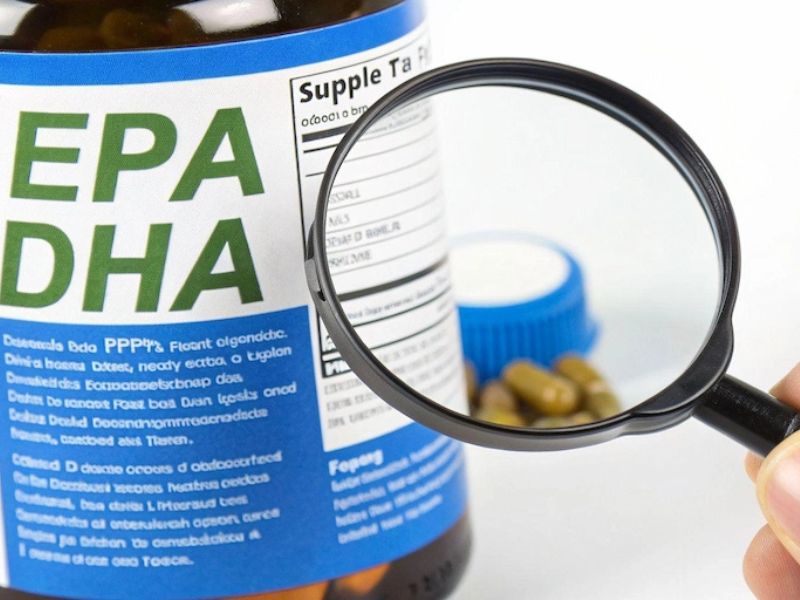
How to Read a Fish-Oil Label
| Label detail | What it tells you |
|---|---|
| Total fish oil | The complete oil weight, not necessarily the active EPA and DHA amount |
| EPA | The amount of eicosapentaenoic acid per serving |
| DHA | The amount of docosahexaenoic acid per serving |
| Serving size | How many softgels are needed to obtain the listed amounts |
| Other omega-3 | Additional fatty acids beyond the declared EPA and DHA |
Where QNT Fits
QNT products can complement a broader health and fitness routine when each product addresses a clear nutritional purpose.
QNT Omega-3 Fish Oil 60 Softgels
A convenient fish-oil format for users who want a consistent source of EPA and DHA when dietary fish intake is limited.
QNT Nitrapure Whey Protein
Supports daily protein intake and post-training nutrition, serving a different role from omega-3 fatty acids.
QNT Daily Vitamins
A broad vitamins-and-minerals formula intended to help cover selected dietary gaps within a varied diet.
Who May Consider an Omega-3 Supplement?
People Who Rarely Eat Fish
Supplementation may provide a more consistent EPA and DHA intake.
Restrictive Diets
Users avoiding several food groups may need to review whether omega-3 intake is adequate.
Physically Active Adults
Omega-3 may complement a complete nutrition and recovery strategy.
Vegetarians
Algae-derived DHA or EPA-and-DHA products may offer a suitable alternative to fish oil.
Clinically Advised Users
A healthcare professional may recommend a specific amount for an identified health need.
Omega-3 Buying and Safety Checklist
Common Omega-3 Mistakes
Judging by Fish-Oil Weight
Total oil does not equal the amount of active EPA and DHA.
Treating ALA as Identical to DHA
Plant foods are valuable, but conversion into long-chain omega-3 is limited.
Ignoring Freshness
Poor storage and oxidation can affect taste, smell and overall product quality.
Expecting Immediate Results
Omega-3 supports normal physiological functions rather than producing a stimulant-like effect.
Replacing Medical Treatment
Fish oil should not replace medicine for triglycerides, blood pressure or cardiovascular disease.
Assuming Higher Is Better
Higher doses are not automatically more useful and may require medical supervision.
The Final Verdict
The strongest omega-3 evidence relates to the physiological roles of EPA and DHA in cardiovascular function, brain and retinal structure, triglyceride management and normal cellular processes.
Choose a transparent, well-tested product, maintain realistic expectations and treat omega-3 as one part of a complete nutrition and lifestyle strategy.
Frequently Asked Questions
What does omega-3 do?
Omega-3 fatty acids contribute to normal heart, brain, eye and cellular function. EPA, DHA and ALA have different roles and food sources.
Should I take fish oil daily?
Daily use may be practical when fatty fish is rarely eaten. Follow the product label and seek guidance when using medicines or managing a health condition.
What is the difference between fish oil and omega-3?
Fish oil is one source of omega-3. EPA and DHA are the principal long-chain omega-3 fatty acids found in fish oil.
How do I choose a quality omega-3 supplement?
Check EPA and DHA per serving, oil source, serving size, purity testing, oxidation control, storage and the manufacturer’s quality standards.
Can omega-3 support exercise recovery?
Omega-3 participates in normal inflammatory-response pathways and may complement recovery when training, protein intake, hydration and sleep are adequate.
Are flaxseeds enough for omega-3?
Flaxseeds provide valuable ALA, but the body converts only a limited amount into EPA and DHA.
Can vegetarians take omega-3 supplements?
Yes. Algae-derived omega-3 products can provide DHA and, in selected formulas, EPA without using fish oil.
Can omega-3 replace heart medicine?
No. Omega-3 supplements should not replace prescribed medicine or professional cardiovascular treatment.