Most Protein Powders Aren’t Tested for Banned Substances — Here’s How to Check Yours
A protein powder can be high in protein, low in contaminants, and still fail a banned-substance screening. Quality testing, purity testing, and banned-substance testing are not the same thing.
Key Takeaways
Introduction
Walk into any supplement store, browse an e-commerce marketplace, or scroll through fitness content online, and you will notice one common assumption: if a protein powder is being sold legally, it must have been thoroughly tested.
It sounds reasonable. It just is not always true. A product can pass routine quality checks and still lack meaningful screening for banned substances in supplements.
For everyday gym-goers, this distinction may seem minor. For athletes, competitive fitness enthusiasts, and anyone who values transparency, it is a big deal.
The Transparency Gap Most Consumers Never See
Basic Quality Checks
Many products are tested for protein content, flavour consistency, or microbiological safety.
Missing Screenings
Those checks do not automatically screen for prohibited compounds or anti-doping risks.
Contamination Risk
Trace compounds may appear through shared facilities, ingredient sourcing issues, or inadequate production controls.
Research Summary: A 2018 review in Sports Medicine highlighted supplement contamination as a legitimate concern, especially for athletes subject to anti-doping regulations.
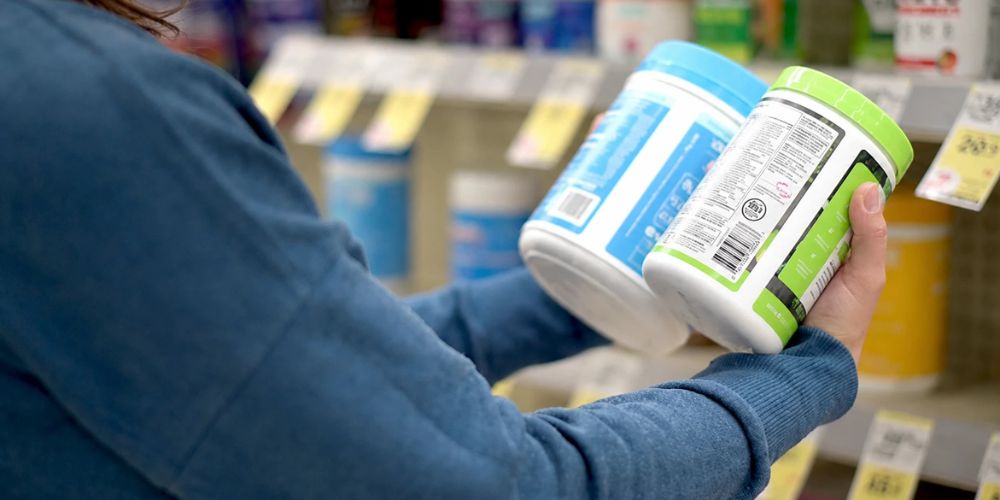
Quality Testing vs Purity Testing vs Banned-Substance Testing
These terms often get used interchangeably, but they mean very different things. Testing language on labels can sound equally reassuring even when the checks are not the same.
| Testing Type | What It Checks | Why It Matters |
|---|---|---|
| Quality Testing | Protein content, ingredient accuracy, and label claims. | Confirms whether the product matches its basic nutritional promise. |
| Purity Testing | Heavy metals, microbes, and unwanted contaminants. | Supports overall supplement quality assurance. |
| Banned-Substance Testing | Prohibited compounds that could violate anti-doping rules. | Often requires independent labs and specialized screening protocols. |
“Third-party tested protein powder stands apart because it adds confidence beyond the manufacturer’s own testing process.”
Why Athletes Pay Attention to Certifications
Elite athletes pay attention to certification logos because banned substances in supplements remain a genuine concern within competitive sports.
| Certification | Focus | Best Fit |
|---|---|---|
| Informed Choice | Quality and banned-substance risk reduction. | Consumers and athletes seeking extra reassurance. |
| Informed Sport | Stricter framework often preferred by elite athletes. | Professional and competitive sport environments. |
| NSF Certified for Sport | Recognized testing for sport-focused supplement safety. | Athletes and organizations seeking widely recognized verification. |
Important: Sports supplement certification programs are not identical. Check what each certification actually verifies before relying on a logo.
What to Look for Before Buying a Protein Powder
Most consumers do not need a laboratory background. They need a practical checklist before choosing a safe protein powder.
“The best brands don’t treat testing information like a secret. They make it easy to find.”
The Role of Batch Testing and COAs
One Test Is Not Enough
Ingredient quality can vary between production runs, even when the tub carries the same label.
Batch Testing Matters
Reputable companies conduct recurring testing and maintain documentation for specific batches.
COAs Add Proof
Certificates of Analysis provide evidence that a particular batch met predetermined standards.
Best Practice: Even if you never request a COA, knowing a brand can provide one says a lot about its commitment to transparency.
A Smarter Way to Think About Safe Supplement Use
Most people do not need to become anti-doping experts. But safe protein powder choices are about more than protein percentages, flavour reviews, and discounts.
Ingredient Transparency
Consumers should know what is inside the tub and where key ingredients come from.
Manufacturing Practices
Production standards and contamination controls matter as much as the nutrition panel.
Authenticity Verification
Product authentication tools add confidence that the product is genuine before use.
QNT offers a dedicated product authentication system that allows customers to verify genuine products before use. When combined with transparent sourcing and quality standards, it adds another layer of confidence for consumers who care about product integrity.
Products like QNT Prime Whey Triple Blend Isolate Protein and QNT Nitrapure Whey Protein are designed for consumers seeking performance-focused nutrition while prioritizing quality and authenticity.
How to Check Your Protein Powder Before You Buy
Read the Testing Claim
Check whether the product mentions quality, purity, or banned-substance testing specifically.
Check Certifications
Look for recognized independent programs like Informed Choice, Informed Sport, or NSF Certified for Sport.
Ask for Batch Proof
Look for batch testing details or Certificates of Analysis where available.
Verify Authenticity
Use brand authentication systems when available to confirm the product is genuine.
The Future of Supplement Buying Is Transparency
Consumer expectations are changing. Ten years ago, most people wanted to know how much protein they were getting per scoop. Today they are asking where ingredients came from, who tested them, and whether claims can be verified.
That is a healthy shift. As testing standards evolve, brands that embrace transparency, certification, and independent verification will likely earn more trust than those relying only on marketing claims.
That is good for everyone — from first-time gym members to competitive athletes.
Safe Protein Powder Checklist
Final Thoughts
The biggest misconception in sports nutrition is that all testing is the same. It is not.
A protein powder can be nutritionally excellent and still lack meaningful screening for banned substances. That is why understanding protein powder testing, certifications, and batch testing matters.
You do not need to become suspicious of every supplement. You just need to know what questions to ask before the product ever reaches your shaker.
FAQs
Q1. How do I know if my protein powder is tested for banned substances?
Look for recognized third-party certifications such as Informed Choice, Informed Sport, or NSF Certified for Sport. Brands should also provide testing information, COAs, or details about their testing protocols.
Q2. What certifications should a protein powder have?
Common certifications include Informed Choice, Informed Sport, NSF Certified for Sport, and other independent sports supplement certification programs that verify product quality and banned-substance screening.
Q3. What is third-party testing in supplements?
Third-party testing means an independent laboratory, not the manufacturer, evaluates a supplement for quality, purity, and sometimes banned substances. This improves consumer trust and accountability.
Q4. Can protein powders contain banned substances?
Yes. In some cases, contamination can occur through ingredient sourcing issues or manufacturing cross-contamination. This is why third-party tested protein powder products are often preferred.
Q5. How can athletes choose safe supplements?
Athletes should prioritize independently certified supplements, review batch-specific testing information, verify authenticity, and choose brands with strong supplement quality assurance practices.
Sources & References
- Sports Medicine — Supplement Contamination and Anti-Doping Risks: https://link.springer.com/article/10.1007/s40279-017-0857-1
- International Olympic Committee Consensus Statement on Dietary Supplements: https://bjsm.bmj.com/content/52/7/439
- Harvard T.H. Chan School of Public Health — Protein Overview: https://nutritionsource.hsph.harvard.edu/protein/
- NIH / PubMed — Dietary Supplements and Athlete Safety: https://www.ncbi.nlm.nih.gov/pmc/articles/PMC4674107/
- NSF Certified for Sport Program: https://www.nsfsport.com/
- Informed Choice Certification Program: https://www.informed-choice.org/
- Informed Sport Certification Program: https://www.informed-sport.com/