Raju Srivastav
The comedian experienced a cardiac arrest while exercising on a treadmill in August 2022 and died after an extended hospitalisation.

Training strengthens the body, but safe fitness also means supporting your heart with balanced nutrition, sensible workout progression, proper hydration and attention to warning signs.
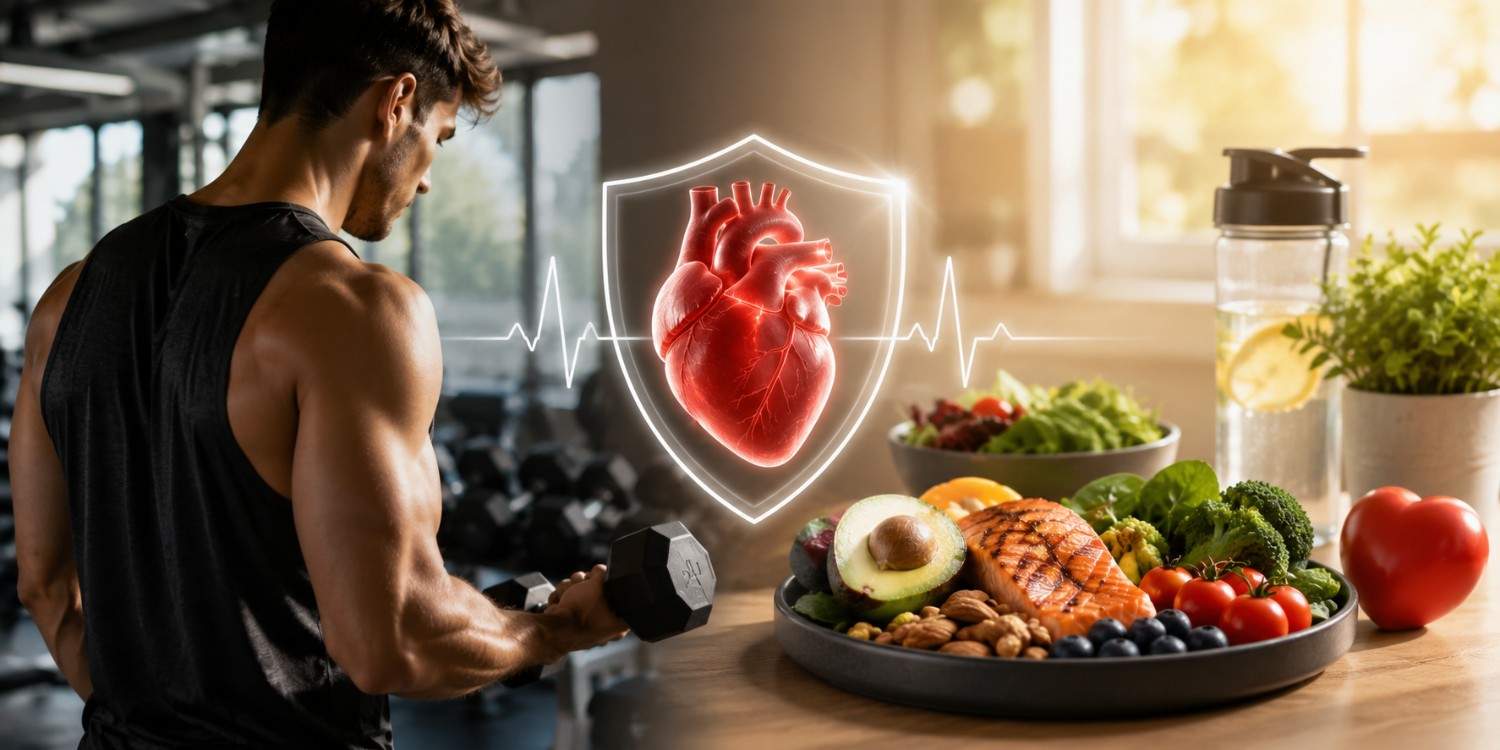
Most people enter the gym to become stronger, build muscle, improve endurance and feel better. While pursuing those goals, it is essential to remember the muscle working through every repetition: your heart.
Reports of apparently fit people experiencing sudden cardiac events can be unsettling. These incidents should not create fear of exercise, but they should encourage informed training, responsible supplementation, appropriate medical evaluation and heart-supportive nutrition.
“Looking fit is not the same as knowing your cardiovascular health.”
Several widely reported deaths have renewed conversations about cardiovascular risk. Each case involved different circumstances, and their inclusion should not be interpreted as proof that gym training caused the event.
The comedian experienced a cardiac arrest while exercising on a treadmill in August 2022 and died after an extended hospitalisation.
The actor and fitness enthusiast died suddenly at age 40 in September 2021. Early reports suggested a heart attack, although a definitive medical cause was not publicly established at the time.
Singer Krishnakumar Kunnath died after a live performance in May 2022. His post-mortem findings reportedly identified myocardial infarction and significant coronary blockages.
The actress died suddenly in June 2025. Initial reports mentioned suspected cardiac arrest, but an official cause was not publicly confirmed.
The WWE Hall of Famer died at age 71 in July 2025. A medical examiner later identified a heart attack as the cause of death.
Coronary artery disease, abnormal heart rhythms and structural conditions may remain unnoticed until the heart is placed under significant stress.
Attempting maximum-intensity exercise without adequate conditioning can place unnecessary demand on the cardiovascular system.
Diets dominated by highly processed foods, excess sodium, added sugar and unhealthy fats may contribute to cardiovascular risk over time.
Fluid loss can make exercise feel harder and may affect circulation, temperature control and physical performance.
Unregulated stimulants, anabolic steroids and performance-enhancing substances may affect heart rate, blood pressure and long-term cardiovascular health.
Repeated intense training without adequate sleep, recovery or nutrition can increase fatigue and reduce training quality.
Heart-supportive nutrition is based on the overall pattern of your meals rather than one “superfood” or supplement.
Choose a variety of fresh produce for fibre, vitamins and antioxidants.
Oats, brown rice and whole-grain foods provide carbohydrates and fibre.
Include pulses, beans, soy, eggs, dairy, fish or lean meat according to your dietary preferences.
Nuts, seeds, avocado and suitable vegetable oils provide heart-conscious fats.
Begin the session well hydrated instead of trying to replace all fluids during training.
Choose a comfortable pre-workout meal with carbohydrates and suitable protein.
Increase weight, speed and intensity progressively rather than making sudden jumps.
Rehydrate, eat a balanced meal and allow enough sleep before the next demanding session.
| Priority | Choose More Often | Limit or Review |
|---|---|---|
| Everyday meals | Vegetables, fruits, whole grains and minimally processed foods | Highly processed snacks and frequent fried foods |
| Protein | Pulses, soy, beans, dairy, eggs, fish and lean meat | Frequently processed or high-saturated-fat choices |
| Dietary fats | Nuts, seeds and unsaturated oils in suitable portions | Trans fats and excessive saturated fat |
| Hydration | Water and planned fluid intake | Relying heavily on sugary or stimulant-loaded drinks |
| Supplements | Transparent labels, suitable servings and relevant quality testing | Hidden blends, extreme claims and unknown ingredients |
Do not attempt to “push through” these symptoms. Stop exercising and seek emergency medical assistance, especially when symptoms are sudden, severe or persistent.
A healthcare professional can help determine whether you need additional evaluation before beginning or intensifying an exercise programme.
Your fitness journey should create a stronger and healthier body, not simply a more impressive appearance. That means combining progressive training with balanced food, hydration, recovery and responsible supplementation.
Listen when your body sends an unusual signal, understand your personal health risks and seek professional guidance when necessary. A sustainable fitness routine should protect your heart while helping you pursue every other goal.
Yes. Fitness can improve cardiovascular health, but it cannot eliminate every genetic, structural or metabolic risk factor.
Regular exercise is generally beneficial. Problems may arise when vigorous exertion combines with an underlying condition, illness, extreme heat, poor preparation or inappropriate substance use.
Choose a familiar, easily tolerated meal or snack containing carbohydrates, with suitable protein where appropriate. Avoid experimenting with heavy meals immediately before intense training.
Not necessarily. Water may be sufficient for many shorter sessions. Electrolyte needs depend on duration, heat, humidity, sweat rate and individual medical requirements.
Safety depends on the ingredients, dose, quality controls, personal health and other substances being used. Review stimulant content and consult a professional when you have cardiovascular concerns.
Stop immediately for chest discomfort, fainting, severe breathlessness, unusual palpitations or pain spreading to the arm, back, neck or jaw.
Share the meals and snacks that help you stay energised and consistent.
Join the Discussion