HOW DO YOU BUILD LEAN MUSCLE?
Building lean muscle requires more than lifting heavier weights. Training, nutrition, recovery and progress tracking must work together.
Key Takeaways
Introduction
Building lean muscle requires two essential adjustments: improving your training and adapting your diet. Focusing on only one side of the process can limit your results.
People do not respond identically to the same programme. Genetics, body structure, training experience, lifestyle and food intake can all influence progress.
The most useful strategy is therefore not to copy another athlete exactly. It is to monitor your own response and build a plan around what consistently produces strength, performance and physical progress.
The Principles Behind Lean Muscle Growth
Progressive Training
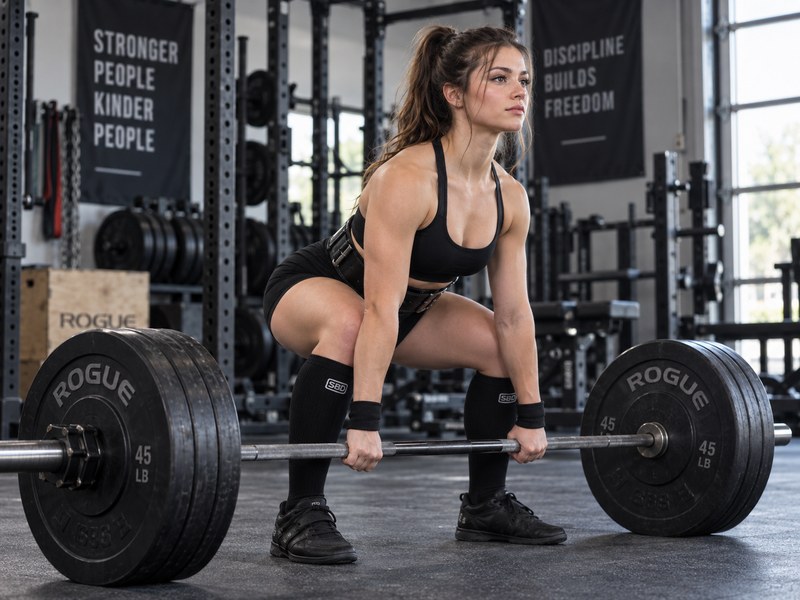
Your muscles need an increasing challenge through weight, repetitions, volume or execution.
Suitable Nutrition
Your diet must provide enough energy and protein to support training and recovery.
Consistent Recovery
Sleep and rest allow the body to adapt to the demands created during training.
“The best muscle-building plan is the one that produces measurable progress without creating unnecessary fat gain.”
Check That You Are Moving in the Right Direction
If you are progressing, your current approach may suit you. If your performance and physical measurements stop changing, your habits may need to be adjusted.
Body Weight
Track trends under similar conditions instead of reacting to one measurement.
Measurements
Measure areas such as your arms, legs, waist and chest consistently.
Body Composition
Use the same assessment method when monitoring body-fat changes.
Performance
Record weights, repetitions, technique and total training volume.
A qualified coach can help you measure progress, review technique and adjust your plan. However, no coach can replace your consistency. Successful coaching requires both the athlete and coach to work together.
Lean Muscle Growth Is a Long-Term Process
Beginners
New lifters may notice faster early progress because their bodies are responding to a new training stimulus.
Experienced Lifters
Progress usually becomes slower as training experience increases and previous adaptations become harder to exceed.
After Food Restriction
Weight and performance may increase more quickly after a restrictive phase as normal food intake and training capacity return.
“Muscle building rewards patience. Fast weight gain does not automatically mean fast muscle gain.”
Gaining Muscle Is Not the Same as Gaining Weight
The objective of a lean mass phase is not simply to make the scale increase. The goal is to support muscle growth while keeping unnecessary fat gain under control.
| Approach | Likely Outcome | Main Risk |
|---|---|---|
| Uncontrolled calorie surplus | Faster overall weight gain | More unnecessary fat gain |
| Controlled calorie surplus | Slower, more manageable weight gain | Requires regular tracking and adjustment |
| Insufficient calorie intake | Limited weight and muscle gain | Training may not be fully supported |
Your calorie target should account for your normal daily energy needs and training activity. Increase food intake gradually, monitor the result and adjust it when weight or body-fat gain becomes faster than intended.
How Traditional Body-Type Labels Describe Muscle Gain
Endomorph, mesomorph and ectomorph are traditional labels used to describe broad differences in body shape and weight-gain tendencies. Most people do not fit perfectly into only one category.
Endomorph
Traditionally described as someone who gains body weight relatively easily, including body fat.
A more controlled calorie surplus and regular body-composition tracking may be useful.
Mesomorph
Traditionally described as having a naturally muscular appearance and responding well to strength training.
Food intake can still require control because favourable structure does not remove the possibility of fat gain.
Ectomorph
Traditionally described as naturally slim and often finding it difficult to gain body weight.
A larger but still monitored calorie increase may be needed to support consistent weight gain.
Is Body Type the Only Factor in Muscle Gain?
Most people display characteristics associated with more than one traditional body-type category. Someone may appear mostly mesomorphic while also gaining fat relatively easily, or remain slim while still responding strongly to resistance training.
Body shape is therefore only one part of the process. Training experience, programme design, total food intake, protein intake, sleep, stress and daily activity can all influence muscle-building results.
Your body will also change over time. A diet or training plan that works today may need to be adjusted as your weight, age, routine and performance change.
Build, Measure and Adapt
Set a Goal
Define the performance and physical changes you want to achieve.
Create a Plan
Match your training, calories and protein intake to that goal.
Track Results
Monitor gym performance, weight and physical measurements.
Review
Decide whether the plan is still producing the intended result.
Adjust
Modify training or food intake when progress slows or fat gain rises.
Avoid the “Miracles” of Social Media
Social media makes it easy to find coaches and influencers promising dramatic lean muscle gain with minimal effort. These claims can create unrealistic expectations.
Selective Images
Photos taken during a short period of peak condition may be shared throughout the year.
Unrealistic Timelines
Claims of gaining large amounts of lean muscle quickly often ignore training history and individual differences.
Missing Context
Lighting, posing, temporary conditioning and photo selection can change how a physique appears.
“Miracles do not build muscle. Consistent training, nutrition and honest progress tracking do.”
Training and Nutrition Must Work Together
Training Priorities
Nutrition Priorities
Increasing your training weights can indicate progress even before visible muscle changes appear. Continue refining the programme and align your food intake with the greater training demand.
Lean Muscle Checklist
Conclusion
Building lean muscle is rarely easy or perfectly predictable. It requires consistent training, controlled nutrition, regular measurements and a willingness to change your approach when progress slows.
Your body type and genetics may influence how quickly you gain weight or muscle, but they do not remove the need for effort, discipline and objective tracking.
Focus on becoming stronger, improving your training quality and supporting those efforts with suitable nutrition. The QNT team will continue doing its best to help you move toward sustainable lean muscle growth.
FAQs
Q1. What is lean muscle?
Lean muscle generally refers to increasing muscle mass while keeping unnecessary body-fat gain under control.
Q2. Can you build muscle without gaining any fat?
Some fat gain can occur during a muscle-building phase. A controlled calorie surplus and regular monitoring can help limit it.
Q3. How should I measure lean muscle progress?
Track body weight, circumference measurements, body composition, progress photos and gym performance under consistent conditions.
Q4. Does body type determine muscle gain?
Body-type labels provide broad descriptions, but muscle gain also depends on training, nutrition, recovery, genetics and lifestyle.
Q5. Do supplements build lean muscle?
Supplements may provide convenience or support a suitable nutrition plan, but they do not replace progressive training, balanced meals and recovery.
Sources & Important Guidance
- This article provides general guidance about resistance training, nutrition, body composition and progress tracking.
- Muscle-building rates and calorie requirements vary according to training experience, body size, lifestyle and individual response.
- Endomorph, mesomorph and ectomorph are broad traditional descriptions rather than precise individual classifications.
- Seek qualified professional guidance when managing a medical condition, injury, specialised diet or major body-composition change.
Related Articles