Collagen Explained: Types, Benefits, Dosage and How to Use It
Learn what collagen is, how Types I, II and III differ, what research says about skin and joint support, how much collagen studies use and how to choose a suitable supplement.
Key takeaways
Understanding collagen
Collagen is the body’s most abundant structural protein. It helps provide strength, flexibility and organisation to the skin, bones, cartilage, tendons, ligaments, blood vessels and other connective tissues.
Natural collagen production and tissue organisation change with age. Ultraviolet exposure and cigarette smoking may also accelerate collagen breakdown in the skin.
Collagen supplements are commonly promoted for skin, joints, bones, hair and exercise recovery. Some potential benefits are supported by clinical research, but supplements cannot guarantee younger-looking skin, rebuild damaged cartilage or cure joint pain.
“Collagen may complement a healthy routine, but it cannot replace complete nutrition, movement, sleep, skincare or medical treatment.”
What is collagen?
Collagen is a fibrous protein that forms part of the extracellular matrix—the structural network surrounding and supporting cells. It helps tissues maintain their shape, resist stretching and tolerate mechanical stress.
The body produces collagen using amino acids obtained from food, particularly glycine and proline-related compounds. Vitamin C is also required for normal collagen biosynthesis and structural stability.
Where collagen is found in the body
More than 20 types of collagen have been identified, although Types I, II and III account for a large proportion of the collagen found in human tissues.
The main types of collagen
| Collagen type | Common locations | Structural role |
|---|---|---|
| Type I | Skin, tendons, ligaments and bones | Provides tensile strength, firmness and structural support. |
| Type II | Cartilage | Supports cartilage structure, pressure resistance and smooth joint movement. |
| Type III | Skin, muscles, blood vessels and internal tissues | Contributes to flexible networks in tissues that stretch or adapt to pressure. |
Where does supplemental collagen come from?
Commercial collagen is usually produced from animal-derived tissues. The source influences the collagen types, allergen considerations and dietary suitability of the finished product.
Bovine collagen
Frequently used as a source of Types I and III.
Marine collagen
Produced from fish-derived materials and commonly associated with Type I.
Porcine collagen
Produced from porcine tissues and subject to personal or religious dietary considerations.
Poultry collagen
May be used in products formulated around Type II collagen.
Eggshell membrane
A specialised animal-derived source requiring careful allergen review.
What is hydrolysed collagen?
Native structure
Natural collagen consists of large, complex protein structures.
Hydrolysis
The proteins are broken into smaller collagen peptides.
Practical use
Smaller peptides generally dissolve more easily in drinks and nutrition products.
Potential benefits of collagen supplements
Skin hydration and elasticity
Some trials report modest improvements in hydration, elasticity or wrinkle-related measurements after approximately 8–12 weeks.
Joint comfort
Hydrolysed collagen has been studied in active people and individuals experiencing osteoarthritis-related joint symptoms.
Tendons and connective tissue
Research has examined collagen or gelatin alongside exercise for connective-tissue collagen synthesis.
Bone structure
Type I collagen forms part of the flexible bone matrix onto which minerals are deposited.
What the evidence suggests
| Area studied | Potential finding | Important limitation |
|---|---|---|
| Skin | Some products may modestly support hydration or elasticity. | Results vary by peptide formulation, dosage and study population. |
| Joint comfort | Some studies report improvements in discomfort or function. | Collagen cannot replace diagnosis, rehabilitation or prescribed care. |
| Connective tissue | Collagen with exercise has been studied for synthesis responses. | Research protocols are not universal supplement instructions. |
| Bone health | Collagen contributes structurally to the bone matrix. | Bone health also depends on minerals, vitamin D, energy intake and exercise. |
How much collagen should you take?
There is no single scientifically established amount for every collagen product or goal. Different forms and formulations have been studied at different dosages.
| Goal studied | Examples of researched daily amounts |
|---|---|
| Skin hydration and elasticity | Approximately 1–5 g |
| General hydrolysed collagen products | Often 5–10 g |
| Joint comfort | Commonly around 10 g |
| Exercise and connective-tissue research | Sometimes around 15 g |
| Native Type II collagen | Product-specific, much smaller amounts |
How long does collagen take to work?
Collagen is not an immediate-action supplement. Meaningful assessment requires consistent use for the duration recommended for the specific product.
8–12 weeks
Many skin studies assess hydration, elasticity or wrinkle-related measures within this period.
2–6 months
Joint-comfort trials may continue for several months before outcomes are evaluated.
When should you take collagen?
There is no proven universal best time. Consistency and following the recommended serving are more practical than focusing on an exact hour.
Powders may be more practical for larger servings because several capsules may be required to provide the same amount.
Should collagen be taken with vitamin C?
Vitamin C is required for normal collagen production and contributes to the stability of collagen structure. This does not mean everyone needs a separate high-dose vitamin C supplement.
A balanced diet containing fruits and vegetables may provide sufficient vitamin C. A collagen product may also already contain it, so review the complete ingredient list before adding another supplement.
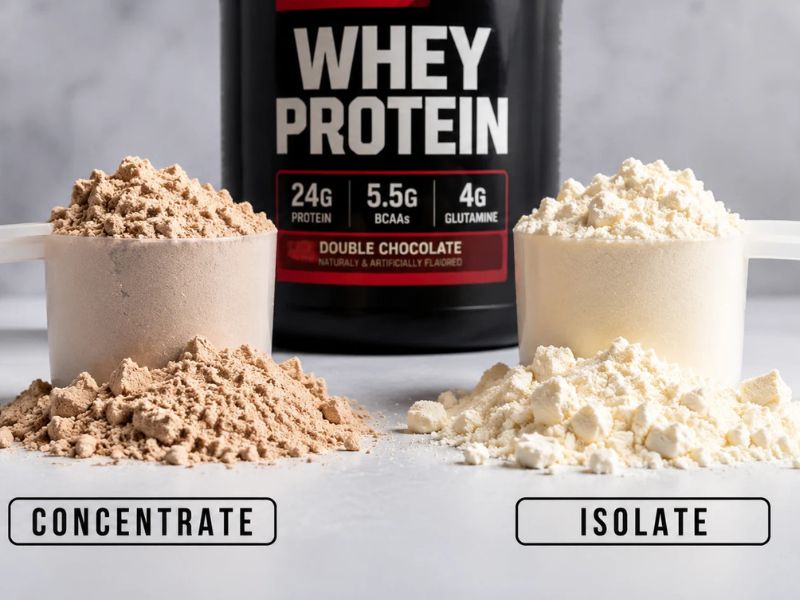
Does collagen replace whey protein?
| Protein source | Amino-acid characteristics | Primary nutritional use |
|---|---|---|
| Collagen | Rich in glycine and proline-related amino acids but not considered a complete protein. | Commonly used in products focused on structural tissues. |
| Whey protein | Contains all essential amino acids and is richer in leucine. | More suitable for supporting muscle protein synthesis. |
Collagen buying checklist
Safety considerations
Collagen peptides are generally well tolerated in clinical studies, but personal reactions and product suitability can vary.
Possible practical effects
- Digestive discomfort
- Unpleasant taste or aftertaste
- Sensitivity to added ingredients
- Allergic reaction to the collagen source
Seek professional guidance when you
- Are pregnant or breastfeeding
- Have kidney or liver disease
- Follow a protein-restricted diet
- Take regular medication
- Have a diagnosed food allergy
Where collagen supplements fit
A collagen supplement may complement a routine focused on skin, joint or connective-tissue nutrition when the product is appropriate for the individual and used according to its approved directions.
Results should be assessed realistically and alongside complete dietary protein, vitamin C-rich foods, resistance exercise, hydration, sleep and professional care where required.
Explore Collagen ProductsFrequently asked questions
What is the most common type of collagen?
Type I is the most abundant collagen type in the human body and is found prominently in skin, tendons, ligaments and bones.
Which collagen type is associated with cartilage?
Type II collagen is strongly associated with cartilage and contributes to its pressure-resistant structural framework.
Is 10 g of collagen necessary for everyone?
No. Research amounts vary according to the collagen form and goal. The approved product label should remain the primary dosage guide.
How long should I take collagen?
Skin studies commonly assess changes after 8–12 weeks, while joint studies may continue for several months. Duration should follow product guidance and individual needs.
Can collagen be added to a protein shake?
Yes, when the product directions permit mixing. However, collagen should not replace an equal quantity of complete dietary protein.
Do I need to take collagen with vitamin C?
Vitamin C supports normal collagen production, but it may come from food or already be included in the collagen product.
Can collagen cure joint pain?
No. Some collagen products may support joint comfort, but they do not replace diagnosis, rehabilitation or prescribed treatment.
Is collagen suitable for vegetarians?
Commercial collagen is generally animal derived. Product suitability depends on the source, manufacturing process and individual dietary requirements.
Final word
Collagen is an essential structural protein found throughout the skin, bones, cartilage, tendons, ligaments and blood vessels. Types I, II and III have different tissue distributions, so not every collagen product serves the same purpose.
Research suggests that specific collagen peptides may modestly support skin hydration and elasticity, while certain products may support joint comfort or connective-tissue nutrition.
Choose a clearly labelled product, follow its approved serving instructions and combine supplementation with adequate dietary protein, vitamin C-rich foods, exercise, sleep, hydration and appropriate medical care.
Research referenced in this guide
- Research examining collagen structure, extracellular-matrix organisation and major collagen types.
- Clinical trials evaluating collagen peptides for skin hydration, elasticity and wrinkle-related measurements.
- Studies assessing hydrolysed collagen and native Type II collagen for joint-related outcomes.
- Exercise research investigating collagen or gelatin intake and connective-tissue synthesis.
- Nutrition guidance covering vitamin C and normal collagen biosynthesis.
- Food-allergy guidance relating to fish, shellfish, egg and other animal-derived ingredients.