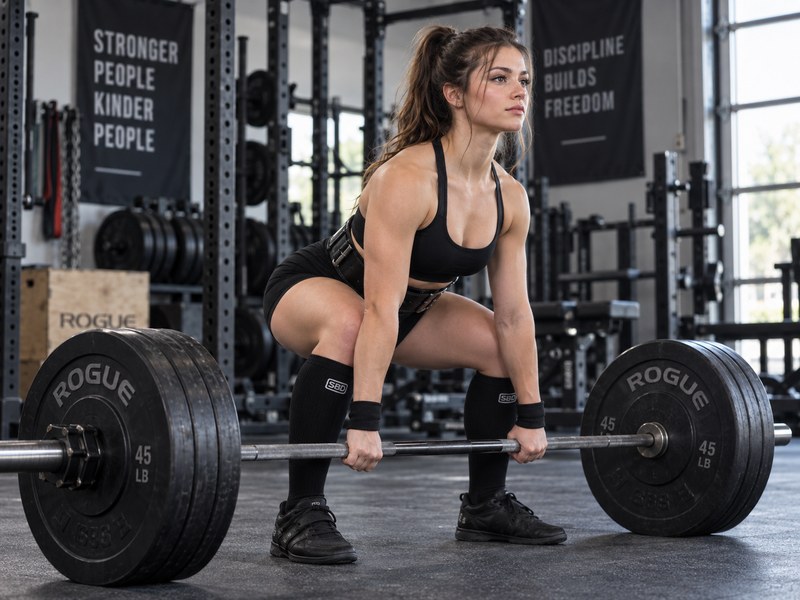
Summer Body Men's Edition: How to Prepare Your Body?
A practical guide to rebuilding your fitness routine through progressive training, balanced nutrition, better recovery and sustainable motivation.
Key Takeaways

Introduction
Warmer days can create fresh motivation to improve your fitness, energy and confidence. However, a stronger and leaner body is not created through a last-minute crash plan.
Meaningful progress requires a combination of regular exercise, balanced nutrition, sufficient recovery and realistic expectations. Even when summer is approaching, there is still time to improve your conditioning and rebuild healthy habits.
The goal is not to punish your body with extreme workouts or food restrictions. It is to create a routine you can follow consistently during summer and continue throughout the year.
1. Sport: Reconnect With Your Former Training Partner
You may have neglected exercise recently, but it is never too late to restart. Schedule regular training periods during your week and treat them like important appointments.
You do not need to begin with an intense one-hour session every day. Adults are generally advised to work towards 150–300 minutes of moderate aerobic activity per week, or the vigorous equivalent, while including muscle-strengthening exercise on at least two days. 1
| Training Option | Best For | Examples | What You Need |
|---|---|---|---|
| Gym Training | Structured resistance training | Machines, free weights and cardio equipment | Membership and suitable clothing |
| Running or Walking | Cardiovascular fitness and outdoor activity | Brisk walking, intervals or steady running | Comfortable shoes, water and a safe route |
| Street Workout | Bodyweight strength and skill | Pull-ups, dips, rows and push-ups | Public bars, optional gloves and resistance bands |
| Home Training | Convenience and limited schedules | Squats, lunges, push-ups, rows and core work | Open space and optional basic equipment |
Traditional gym equipment is not essential for improving strength or muscle fitness. Bodyweight exercises, resistance bands and simple free weights can all be effective when effort and progression are managed appropriately. 2
Build Your Training Gradually
2. Exercising Is Good, but Eating Well Matters Too
Exercise and nutrition work together. Instead of following an extreme diet, build meals from a variety of minimally processed foods that support your energy, recovery and overall health.
A balanced eating pattern can include protein-rich foods, vegetables, fruit, legumes, whole grains, dairy or suitable alternatives and healthy fats. Your exact diet should reflect your preferences, activity level and individual needs. 4
Build Calorie Awareness Without Becoming Extreme
Monitoring your food intake for a limited period can help you understand serving sizes, meal patterns and where additional calories may be coming from.
Tracking should remain a practical tool rather than a source of stress. Your plan should provide enough energy for training while supporting gradual progress towards your goal.
You do not need to eliminate every enjoyable food. Planned flexibility can make a healthy routine easier to maintain, provided occasional treats do not become your normal daily pattern.
What About Alcohol?
Reducing or temporarily avoiding alcohol may make it easier to manage your overall calorie intake. Alcoholic drinks provide calories with relatively few nutrients and may contribute to unwanted weight gain when regularly consumed in excess. 5
Alcohol can also interfere with sleep quality, judgement and the routines that support consistent training and food choices. Drinking less is therefore a practical way to keep more elements of your fitness plan under control.
3. Train With Support, but Choose It Carefully
Training alone may suit independent personalities. However, a workout partner, coach or supportive group can provide accountability when your motivation is low.
Research examining exercise adherence indicates that social support, self-confidence and supportive interpersonal behaviour can contribute to continued participation in physical activity. 6
4. Put the Right Elements on Your Side
A refreshed environment can mark the beginning of your new routine. Useful equipment, visible reminders and simple tracking tools may make exercise feel more organised and enjoyable.
“Your summer progress will be shaped by the habits you repeat, not by the motivation you feel on one particular day.”
Your Practical Preparation Plan
Summer Fitness Checklists
- Begin each session with a warm-up.
- Train major muscle groups regularly.
- Include cardiovascular activity.
- Increase difficulty gradually.
- Schedule recovery and sufficient sleep.
- Include protein-rich foods in your meals.
- Eat a variety of vegetables and fruit.
- Choose suitable carbohydrate sources.
- Include healthy fats.
- Reduce frequent sugary drinks and alcohol.
- Set specific and realistic goals.
- Train with supportive people.
- Prepare your equipment in advance.
- Track progress beyond body weight.
- Reward consistency rather than perfection.
In a Few Lines
A so-called summer body does not appear overnight. However, several weeks of consistent exercise, balanced nutrition and improved lifestyle habits can help you feel fitter, stronger and more confident.
You do not need an extreme daily workout or a highly restrictive diet. Build your training gradually, manage your food choices, drink less alcohol, use social support and organise your environment around the habits you want to maintain.
Most importantly, do not treat this as a temporary punishment before summer. Use it as the beginning of a routine that supports you throughout the year.
Frequently Asked Questions
How quickly can I transform my body for summer?
The rate of progress varies according to your starting point, training history, nutrition, recovery and consistency. Focus on measurable improvements in strength, fitness, habits and body composition rather than expecting an overnight transformation.
Should I exercise for one hour every day?
Not necessarily. Your weekly training volume and consistency matter more than completing an arbitrary daily hour. Beginners may benefit from shorter sessions with adequate recovery.
Is running or weight training better?
They serve different purposes. Resistance training supports strength and muscle development, while running and other aerobic activities improve cardiovascular fitness. A balanced programme can include both.
Can bodyweight exercises build muscle?
Yes. Push-ups, dips, pull-ups, rows, squats and lunges can challenge your muscles. Progress can be created through harder variations, additional repetitions, controlled tempo, resistance bands or external weight.
Do I need supplements to prepare for summer?
No. Supplements are optional and should address a genuine nutritional or practical need. A suitable diet, progressive training, hydration and recovery remain more important.
Is alcohol-free beer a good alternative?
It can be a useful social alternative, but products vary. Check the label for calories, added sugar and alcohol content, especially when choosing a drink to support a specific nutrition plan.
References
- World Health Organization: Physical ActivityWHO guidance covering recommended aerobic and muscle-strengthening activity for adults.View Source
- American College of Sports Medicine: Resistance Training GuidelinesUpdated evidence-based guidance on resistance training for strength, muscle development and physical performance.View Source
- NHS: How to Warm Up Before ExercisingPractical guidance on preparing the body before a workout.View Source
- World Health Organization: Healthy DietWHO recommendations on food variety, free sugars, saturated fat, trans fat and healthy eating patterns.View Source
- National Institute on Alcohol Abuse and Alcoholism: Alcohol Calorie CalculatorInformation about calories in alcoholic drinks and their possible contribution to unwanted weight gain.View Source
- Interpersonal Behaviour and Exercise Adherence: Systematic ReviewRodrigues F, Bento T, Cid L, et al. A systematic review of interpersonal support, motivation and persistence in adult exercise.View Research
References were accessed on July 28, 2026. This article provides general educational information and does not replace personalised medical, nutritional or exercise advice.