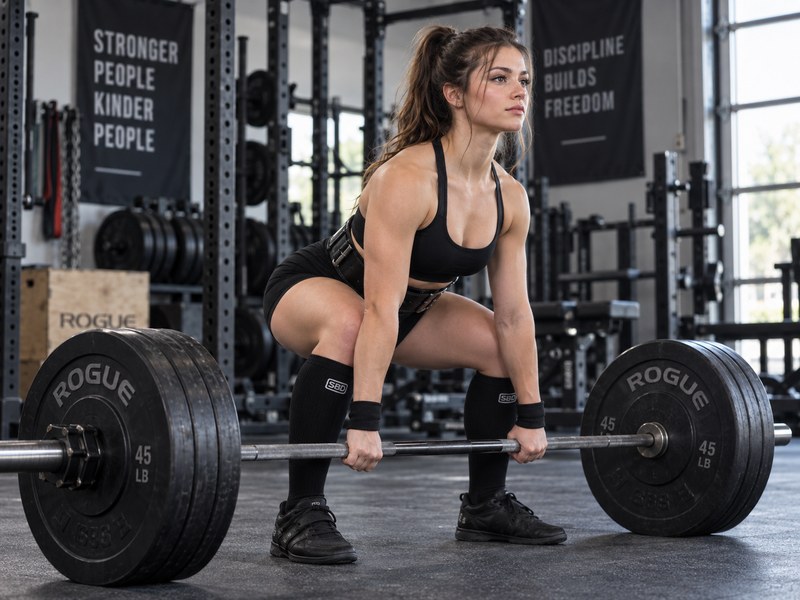
Protein Powder Guide: What It Is, Why to Take It and How to Use It
Understand how protein supports muscle recovery, when supplementation may be useful and which type of protein powder may suit your training routine.
Key Takeaways
Introduction
Choosing a protein powder can feel complicated when products use different ingredients, concentrations and formats. Understanding the basics makes it easier to decide whether supplementation belongs in your routine.
Protein can come from both animal and plant sources. Your overall intake, diet, training demands and lifestyle should guide your choice. 1 2
This guide explains what protein is, why people use protein powder, how to take it and the differences between common protein types.
1. What Is a Protein?
Proteins are nutrients made from amino acids. They are found throughout the body and are required to build and maintain muscles, bones, skin and other tissues. 1 2
Physical training creates a demand for muscle repair and adaptation. Dietary protein supplies amino acids involved in maintaining and developing muscle tissue. 3
2. Why Take Protein?
Protein powder may be considered when your regular diet or daily schedule makes it difficult to achieve your intended protein intake. Supplements should be additions to a suitable diet rather than substitutes for its nutritional foundation. 5
3. Benefits of Protein Powder
4. When Should Protein Be Taken?
Instead of consuming your full daily intake in one sitting, protein can be distributed across meals and snacks. Sports nutrition guidance commonly emphasises both total daily intake and a suitable distribution of protein throughout the day. 3 4
5. How to Take Protein Powder
Protein powder can be prepared with water, dairy milk or plant-based milk. Your choice will affect the shake's taste, texture, calories and overall nutrition.
6. Which Type of Protein Powder Should You Prefer?
The most suitable option depends on your dietary preferences, training demands, digestion, budget and preferred protein concentration.
| Protein Type | Typical Concentration | Key Characteristic | Common Use |
|---|---|---|---|
| Whey Isolate | Often around 90% | Higher protein concentration with fewer non-protein components | People seeking a concentrated whey option |
| Hydrolysed Protein | Varies by product | Protein has been partially broken into smaller fragments | People who prefer a highly processed protein format |
| Whey Concentrate | Commonly around 70–80% | Versatile and widely available | Weight training and daily supplementation |
| Casein | Varies by product | Slow-digesting milk protein | Often used before a longer gap between meals or before sleep |
“Protein powder supports your routine. It does not replace balanced meals, hydration or consistent training.”
7. Good to Know
- Prioritise protein-rich whole foods.
- Distribute protein across the day.
- Stay adequately hydrated.
- Follow the serving directions on the label.
- Do not use basic protein shakes as complete meal replacements.
- Choose products that clearly display nutrition information.
- Check ingredients for allergens and dietary restrictions.
- Speak with a healthcare professional if you have a medical condition.
A person who does not practise regular and intensive physical activity may be able to meet their protein requirements through normal meals without adding protein powder.
Most importantly, protein powder is not a miracle product. Progress still depends on suitable training, nutrition, recovery and consistency. 4 5
Frequently Asked Questions
Is protein powder a doping product?
Protein itself is a nutrient, not a banned performance-enhancing drug. Competitive athletes should still choose independently tested products because some supplements may contain undeclared or prohibited substances. 5
Can a protein shake replace a meal?
A standard protein shake is not usually a complete replacement for a balanced meal because it may not provide sufficient fibre, carbohydrates, fats, vitamins and minerals.
Should protein only be taken after exercise?
No. Total daily intake and distribution are important. A post-training shake is mainly a convenient option when a suitable meal is not readily available. 3
Can protein powder be mixed with milk?
Yes. It can be mixed with water, dairy milk or plant-based beverages. Milk generally creates a creamier shake and changes its calorie and nutrient content.
Which protein type is best?
There is no single best option for everyone. Consider protein concentration, ingredients, digestion, dietary preferences, training routine and how the product fits your overall diet.
References
- MedlinePlus: Dietary ProteinsU.S. National Library of Medicine. An overview of protein functions, dietary sources and individual requirements.View Source
- Harvard T.H. Chan School of Public Health: ProteinThe Nutrition Source. Guidance on amino acids, protein requirements, food sources and overall dietary quality.View Source
- International Society of Sports Nutrition Position Stand: Protein and ExerciseJäger R, Kerksick CM, Campbell BI, et al. Journal of the International Society of Sports Nutrition. 2017;14:20.View Research
- American College of Sports Medicine: Sports Nutrition FactsEvidence-based guidance covering muscle development, protein distribution, hydration, recovery and balanced nutrition.View Source
- NIH Office of Dietary Supplements: Exercise and Athletic PerformanceA health-professional fact sheet covering performance supplements, safety, regulation, product quality and third-party certification.View Fact Sheet
- NHS: Living With Chronic Kidney DiseaseNHS guidance advising people with kidney disease to discuss nutritional supplements with their doctor or pharmacist.View Source
References were accessed on July 28, 2026. This article provides general educational information and does not replace personalised medical or dietary advice.