WHAT IS A PRE-WORKOUT AND HOW SHOULD YOU USE IT?
Pre-workout supplements can offer a convenient combination of performance-focused ingredients, but timing, dosage and ingredient quality determine how useful they are.
Key Takeaways
Introduction
Starting a workout without energy can make even a well-planned session feel difficult. Professional athletes and recreational lifters both look for ways to improve training quality, concentration and physical output.
There is no magic formula. Quality sleep, balanced nutrition, proper hydration and sensible programming remain the foundations of performance.
A pre-workout can be used as an additional tool. The key is understanding its ingredients, selecting a formula that matches your goal and using it responsibly.
Pre-Workout Is More Than a Marketing Term
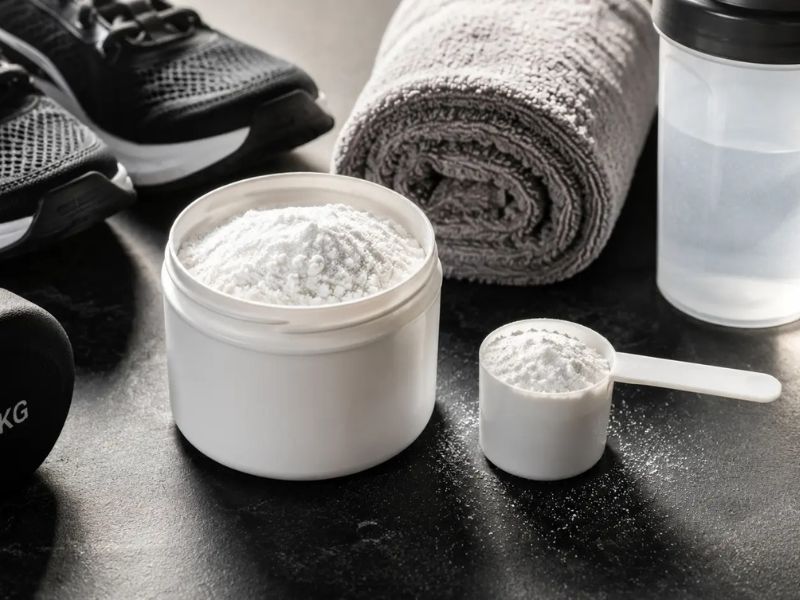
Pre-workout supplements usually combine several ingredients in one formula. These ingredients may also be present naturally in food or available as separate supplements, but an all-in-one product can be more convenient for active people.
Convenient Formula
Multiple performance-focused ingredients are combined into one measured serving.
Simple Preparation
Most powdered formulas can be mixed with water and consumed before a workout.
Goal-Based Selection
Different formulas may focus on energy, endurance, focus, strength or muscle pump.
“A pre-workout is useful only when its ingredients, dosage and timing match the demands of your training.”
Common Pre-Workout Ingredients
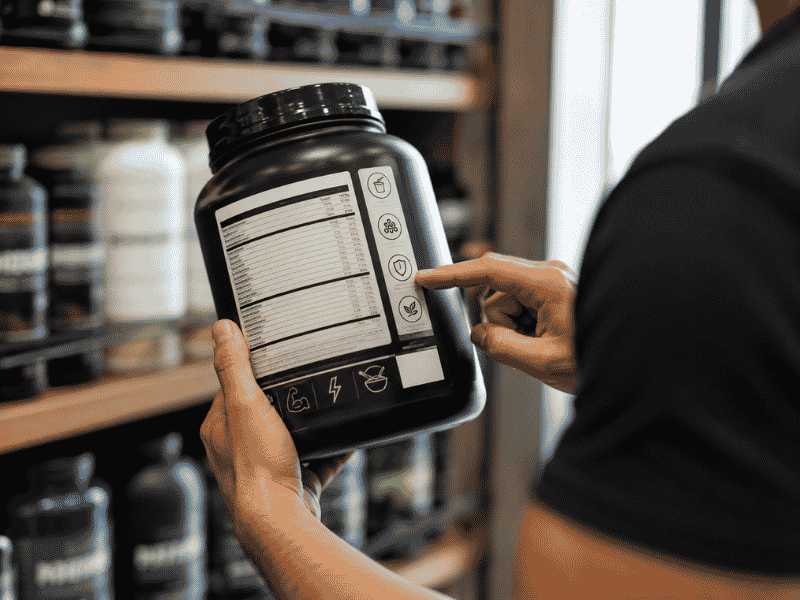
Formulas vary significantly. Reading the complete ingredient list can help you understand what the product is designed to support.
Creatine
Commonly used in sports nutrition routines designed to support repeated high-intensity exercise and progressive training.
Beta-Alanine
Often included in formulas intended for demanding sets, intervals and muscular endurance.
L-Tyrosine
Included in some products designed to support mental alertness and focus during training.
Pump Ingredients
Certain formulas include ingredients intended to support blood flow and the sensation of muscular congestion.
Stimulants
Some products contain caffeine or other stimulants intended to increase alertness and perceived energy.
Not every formula contains the same ingredients or quantities. Always check the label instead of assuming that all pre-workouts provide identical effects.
Decide What You Want From Your Pre-Workout
A long ingredient list is not automatically better. Start by identifying the performance quality you want to prioritise.
Energy
Useful when low alertness makes it difficult to begin a demanding session.
Focus
Relevant when concentration and mental engagement are your priorities.
Endurance
Considered for longer sessions, repeated sets or conditioning-focused workouts.
Muscle Pump
Selected by athletes who prioritise blood flow and muscular congestion.
Strength
Relevant for high-output resistance sessions and progressive overload.
Pump RX Extra Concentrated Pre-Workout
Pump RX Extra Concentrated Pre-Workout is positioned as a multi-purpose formula for athletes looking for support across strength, concentration, endurance and muscular pump.
It is available in a Red Fruits flavour. Review its full ingredient list, serving size and usage instructions before including it in your routine.
How Should You Consume Pre-Workout?
Pre-workout use should be planned rather than automatic. Follow the product instructions and assess how the formula affects your energy, concentration, digestion and sleep.
Use It Strategically
Reserve it for demanding sessions rather than assuming that every workout requires supplementation.
Monitor Tolerance
Pay attention to sleep, restlessness, digestion and changes in your response over time.
Follow the Label
Use the recommended serving and do not combine multiple stimulant products without professional guidance.
Some athletes alternate periods of pre-workout use with periods without it. This can help them evaluate whether the supplement is still providing a noticeable and useful effect.
Pre-Workout Timing
| Timing | Likely Outcome | Recommendation |
|---|---|---|
| Before training | Allows time for the formula to be consumed and used during the session. | Follow the product timing instructions, commonly within the hour before exercise. |
| During training | Effects may arrive only during the later part of the workout. | Usually less suitable when the product is specifically designed for pre-training use. |
| After training | The performance-focused effect may occur after the workout has ended. | Use an appropriate recovery meal or post-workout product instead. |
Pre-Workout Smoothie Recipe
Ingredients
Preparation
Estimated energy: approximately 650 kcal, depending on the exact quantities and products used. This is a substantial smoothie and should be considered within your total daily nutrition plan.
What Should You Avoid?
1. Do Not Overdose Your Shaker
Doubling the serving does not guarantee twice the performance. Excessive intake can increase the likelihood of restlessness, digestive discomfort, sleep disruption or other unwanted effects.
2. Do Not Take It Too Late
Consuming a stimulant-based product during or after training may delay its effects and interfere with sleep, especially after evening sessions.
3. Avoid Unnecessarily Complex Formulas
A long ingredient list can make it difficult to understand what you are consuming. Prioritise clearly labelled ingredients and quantities that match your goal.
4. Do Not Use It as a Meal Replacement
A pre-workout is a supplement, not a complete meal. Support training with appropriate food, fluids and total daily nutrition.
“More stimulation is not the same as better training.”
Should You Eat Before Taking Pre-Workout?
Some people experience nausea or discomfort when consuming a strong formula on an empty stomach. A suitable pre-training meal can help support energy and make the supplement easier to tolerate.
The meal should not be so heavy that digestion makes you feel tired or uncomfortable during exercise. A balanced meal consumed with enough time before training is usually more practical.
Individual tolerance varies. Follow the product instructions and begin cautiously if you are trying a new formula.
Pre-Workout Safety Checklist
Pre-Workout or No Workout at All?
Pre-workouts are not a quick fix for poor sleep, an unbalanced diet or inconsistent training. Their role is to support an already structured performance routine.
A suitable product may help you feel more prepared for demanding exercise by supporting qualities such as energy, concentration, endurance or muscular pump.
Learn what the formula contains, use the recommended serving and decide whether it genuinely improves your training. Pre-workout can be used by beginners or experienced athletes, but its usefulness ultimately depends on the individual and their lifestyle.
FAQs
Q1. What does a pre-workout do?
Pre-workout formulas combine ingredients intended to support qualities such as energy, focus, endurance, strength or muscle pump.
Q2. When should I take pre-workout?
Follow the timing provided on the label. Many formulas are consumed within the hour before exercise.
Q3. Can I take two scoops of pre-workout?
Do not exceed the recommended serving. A larger amount can increase unwanted effects without guaranteeing better training.
Q4. Should pre-workout be taken on an empty stomach?
Individual tolerance varies. Some people experience nausea or discomfort and may prefer consuming it after a suitable meal.
Q5. Do I need pre-workout for every session?
No. It can be reserved for selected demanding workouts. Sleep, nutrition, hydration and consistent training remain more important.
Sources & Important Guidance
- Pre-workout formulations differ considerably, so product labels should be reviewed individually.
- Ingredient tolerance can vary according to body size, diet, stimulant use, health and training schedule.
- People who are sensitive to caffeine should carefully review stimulant quantities and workout timing.
- Consult a qualified healthcare professional before use if you have a medical condition, take medication, are pregnant or have concerns about stimulants.
Related Articles