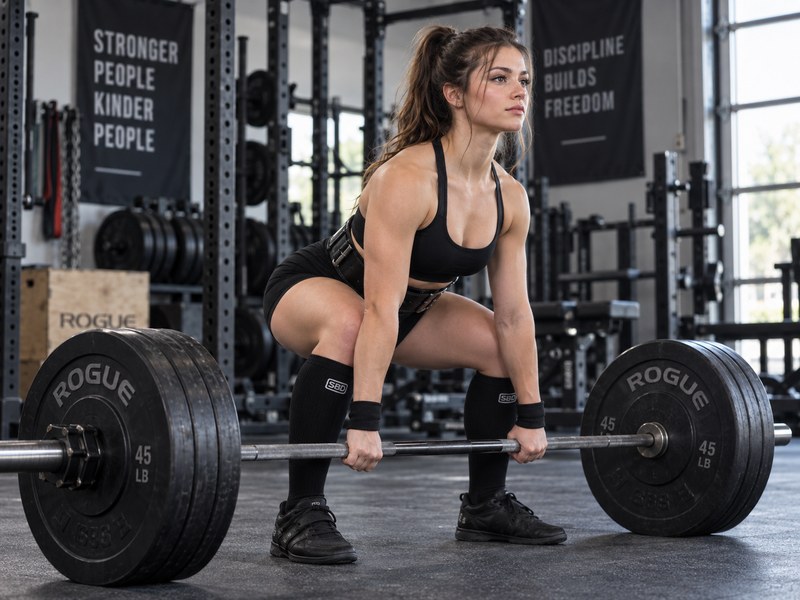
Sex and Sport
Does sexual activity affect athletic performance, and can regular exercise improve sexual health? Here is what current evidence says about abstinence, training, testosterone, overtraining, steroids and supplements.
Key Takeaways
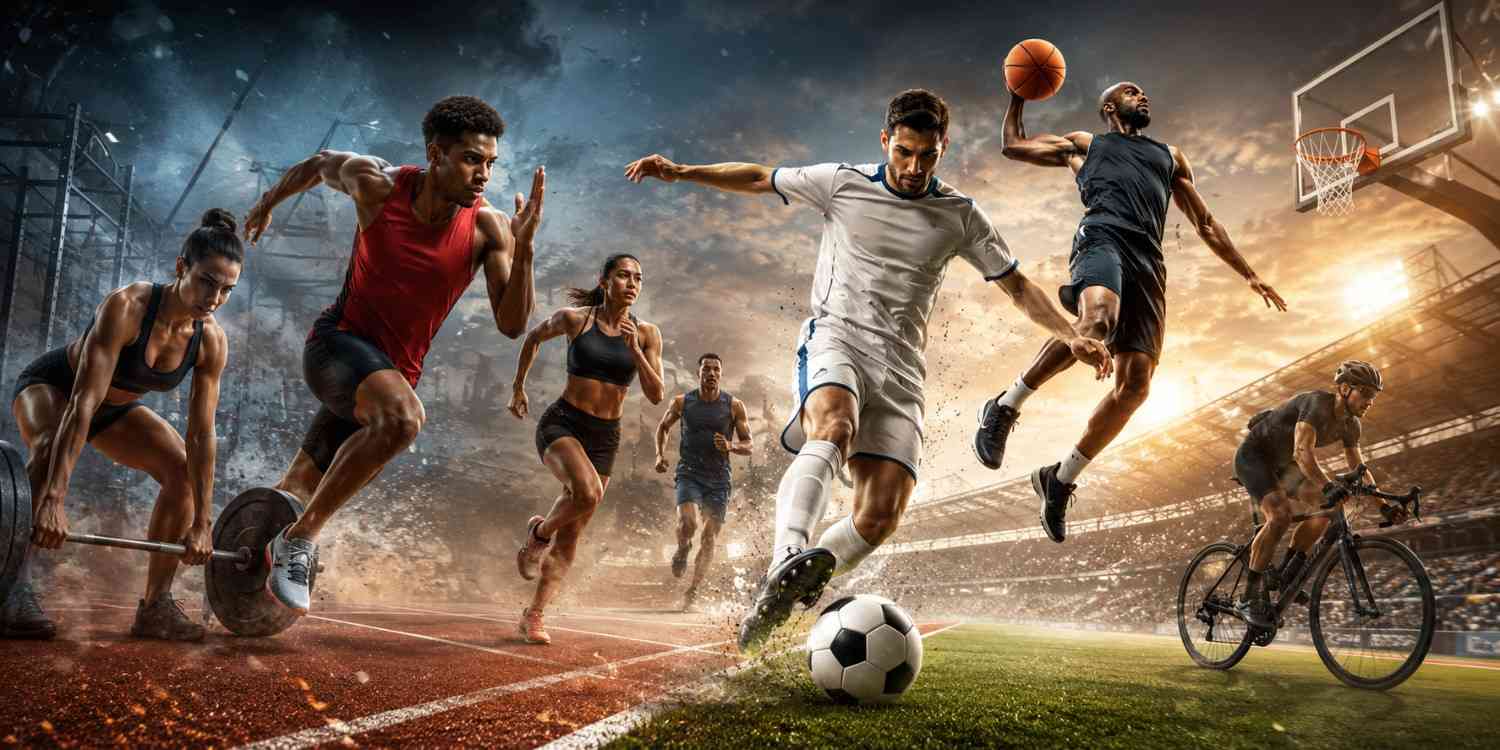
Introduction
Sport, body image, confidence and sexuality are often discussed together. Some men begin training because they want to feel more attractive, but physical appearance is only one part of attraction.
Preferences differ between individuals, and there is no single body type that everyone finds attractive. Confidence, communication, personal values, health, behaviour and emotional connection can matter as much as muscle definition.
Exercise can improve confidence and wellbeing, but training should primarily support your own health and quality of life rather than create pressure to meet an unrealistic physical ideal.
1. Muscles, Attraction and Confidence
Developing muscle may change the way you carry yourself. Improvements in strength, posture, fitness and self-confidence can influence how you interact with other people.
However, more muscle does not automatically produce better relationships or greater sexual confidence. Extreme concern about size, definition or comparison can create anxiety instead of confidence.
2. Does Sex Before Sport Reduce Performance?
Athletes have historically been advised to avoid sexual activity before an important event. The traditional argument was that abstinence preserved energy, aggression or testosterone.
Current research does not provide strong support for that belief. A systematic review and meta-analysis found that sexual activity occurring between approximately 30 minutes and 24 hours before exercise did not meaningfully reduce aerobic fitness, muscular endurance, strength or power. 1 2
| Common Claim | Evidence-Based View |
|---|---|
| Sex drains athletic energy | Normal sexual activity has not been shown to produce a meaningful decline in physical performance. |
| Abstinence increases aggression | There is insufficient evidence that abstinence creates a useful competitive advantage. |
| Sex significantly lowers testosterone | Short-term hormonal changes do not appear to translate into poorer athletic performance. |
| Every athlete should follow one rule | Individual comfort, sleep, routine, timing and psychological preferences can differ. |
What Can We Learn From Athletes' Behaviour?
Condom distribution at major sporting events is sometimes presented as proof that sexual activity cannot affect performance. However, the number of condoms distributed does not show when they were used, who used them or whether they influenced competition results.
The stronger conclusion comes from controlled research: available studies have generally found no meaningful reduction in physical performance following sexual activity before exercise.
“Performance is more likely to be affected by lost sleep, alcohol or poor recovery than by sexual activity itself.”
3. Can Sport Improve Sexual Health?
Sexual function is influenced by several systems, including cardiovascular health, blood circulation, hormones, mental wellbeing, sleep and the nervous system.
Regular exercise can support many of these areas. Systematic reviews suggest that physical activity, particularly aerobic exercise, may improve erectile function in some men with erectile dysfunction related to physical inactivity, obesity, hypertension, metabolic syndrome or cardiovascular risk. 3
A Balanced Training Approach
4. What Happens When an Athlete Trains Too Much?
Hard training creates fatigue, but normal training fatigue should improve with suitable recovery. Problems can develop when heavy training continues without enough rest, food or psychological recovery.
Overtraining syndrome is associated with a prolonged decline in performance and may involve persistent fatigue, sleep disruption, mood changes and reduced motivation. It is a complex condition that should be distinguished from short-term tiredness and other medical causes. 5
Research in exercising men suggests that very high training loads, particularly when combined with insufficient energy intake, may disrupt reproductive hormones and contribute to reduced libido. 6
What Should You Do?
5. Anabolic Steroids and Sexual Function
Anabolic-androgenic steroids are sometimes misused to accelerate muscle growth and strength development. During use, high androgen levels may temporarily increase sexual desire in some individuals.
However, external anabolic hormones can suppress the body's natural testosterone-production system. Studies of steroid users have reported reduced libido, erectile dysfunction and other sexual symptoms, particularly after stopping. 7
6. What About Natural Sexual-Enhancement Supplements?
Products containing ginseng, guarana, tribulus terrestris, zinc or complex herbal blends are often promoted for desire, circulation, testosterone or sexual performance. The marketing is generally more confident than the available scientific evidence.
| Ingredient | Common Marketing Claim | Evidence-Based Consideration |
|---|---|---|
| Ginseng | Desire, vitality and erectile support | Some preliminary research exists, but evidence remains limited and products can interact with medicines. |
| Guarana | Energy and physical performance | Guarana is primarily a source of caffeine and is not an established treatment for low libido or erectile dysfunction. |
| Tribulus Terrestris | Natural testosterone boosting | Research does not consistently show meaningful increases in testosterone, muscle mass or athletic performance. |
| Zinc | Testosterone and fertility support | Correcting a zinc deficiency is important, but taking excessive zinc does not automatically increase testosterone and can cause harm. |
The National Center for Complementary and Integrative Health states that there is no definite evidence that herbal products are both safe and effective treatments for erectile dysfunction. Some sexual-enhancement supplements have also been found to contain hidden pharmaceutical ingredients. 9
7. Age, Testosterone and Sexual Performance
Testosterone levels can gradually change with age, but age alone does not explain every change in desire, erections, energy or physical performance.
Sleep, stress, relationships, medication, cardiovascular health, diabetes, body composition, alcohol, mental health and training load may all influence sexual function.
Evidence Summary
Sexual and Athletic Health Checklists
- Maintain a consistent sleep routine.
- Eat enough to support your training load.
- Avoid excessive alcohol before competition.
- Use planned recovery days.
- Follow the routine that helps you feel prepared.
- Exercise regularly without overtraining.
- Manage cardiovascular and metabolic health.
- Avoid anabolic steroid misuse.
- Do not depend on unverified boosters.
- Seek help for persistent changes or concerns.
- Check the complete ingredient list.
- Avoid guaranteed sexual-performance claims.
- Review possible medication interactions.
- Choose independently tested products.
- Consult a professional when symptoms exist.
When Should You Seek Professional Help?
Occasional changes in sexual desire or erection quality can happen because of stress, fatigue, alcohol, poor sleep or temporary anxiety.
Speak with a doctor, urologist or qualified sexual-health professional when symptoms are persistent, distressing or accompanied by other health changes.
- Repeated difficulty getting or maintaining an erection
- A persistent or unexplained reduction in sexual desire
- Symptoms following anabolic steroid use or withdrawal
- Testicular changes, fertility concerns or breast-tissue development
- Severe fatigue, depression or a prolonged decline in training performance
- Concerns about medication, supplements or possible low testosterone
Frequently Asked Questions
Should athletes avoid sex before competition?
Current evidence does not show a meaningful performance benefit from compulsory abstinence. Athletes should prioritise sleep, hydration, nutrition, concentration and their preferred routine.
Does sex lower testosterone?
Sexual activity can be associated with short-term hormonal fluctuations, but there is no strong evidence that normal sexual activity causes a lasting testosterone reduction that harms athletic performance.
Can exercise improve erectile function?
Regular physical activity may help some men, particularly when erectile problems are associated with inactivity, obesity, high blood pressure or cardiovascular risk. Persistent erectile dysfunction still requires professional assessment.
Can too much exercise reduce libido?
Yes, in some cases. Very high training loads, insufficient food, chronic fatigue, poor sleep and psychological stress may contribute to reduced desire and hormonal disruption.
Does tribulus naturally increase testosterone?
Studies do not consistently demonstrate a meaningful testosterone, strength or muscle-building benefit from tribulus terrestris in healthy athletes.
Is ginseng a proven treatment for erectile dysfunction?
Some preliminary studies suggest possible benefits, but the overall evidence is not strong enough to consider ginseng a reliable replacement for clinically established treatment.
Should I take testosterone because I am getting older?
Testosterone treatment should not be started solely because of age or general tiredness. A diagnosis requires relevant symptoms, repeated laboratory testing and professional evaluation.
References
- The Influence of Sexual Activity on Athletic PerformanceZavorsky GS, Newton WL. Systematic review and meta-analysis examining sexual activity before exercise and physical performance. 2022.View Research
- Sexual Activity Before Sports Competition: A Systematic ReviewStefani L, Galanti G, Padulo J, Bragazzi NL, Maffulli N. Review of sexual activity and subsequent sports performance. 2016.View Research
- Physical Activity to Improve Erectile FunctionGerbild H, Larsen CM, Graugaard C, Areskoug Josefsson K. Systematic review of physical activity interventions for erectile dysfunction. 2018.View Research
- NIDDK: Symptoms and Causes of Erectile DysfunctionNational Institute of Diabetes and Digestive and Kidney Diseases guidance on vascular, hormonal, neurological, medical and psychological causes.View Source
- Prevention, Diagnosis and Treatment of Overtraining SyndromeJoint consensus statement of the European College of Sport Science and the American College of Sports Medicine.View Consensus
- Hypogonadism in Exercising MalesReview of exercise-related reproductive disruption, excessive training load and low energy availability in men. 2020.View Research
- Impact of Anabolic-Androgenic Steroids on Sexual FunctionArmstrong JM, Avant RA, Charchenko CM, et al. Study examining libido and erectile function among anabolic steroid users. 2018.View Research
- World Anti-Doping Agency: Prohibited ListThe 2026 international list of prohibited substances and methods, including anabolic agents.View Source
- NCCIH: Erectile Dysfunction and Sexual EnhancementEvidence and safety information concerning herbal sexual-enhancement products and potentially hidden drug ingredients.View Source
- NIH Office of Dietary Supplements: Exercise and Athletic PerformanceConsumer guidance covering caffeine, guarana, ginseng, tribulus, product safety and supplement contamination.View Fact Sheet
- Endocrine Society: Hypogonadism in MenClinical guidance explaining the symptoms, diagnosis and medically supervised treatment of testosterone deficiency.View Source
References were accessed on July 28, 2026. This article provides general educational information and does not replace personalised medical, sexual-health or sports-performance advice.