HOW DO YOU BUILD BIGGER AND STRONGER THIGHS?
Strong thighs require more than random leg exercises. Squat technique, intelligent exercise selection, suitable training volume and proper recovery must work together.
Key Takeaways
Introduction
Building bigger and stronger thighs requires consistent effort. The legs contain several large muscle groups, including the quadriceps, hamstrings, glutes and calves, so effective lower-body training can be physically demanding.
A complete programme should include a major lower-body movement, supporting exercises, suitable repetition ranges and enough recovery between demanding sessions.
For many lifters, the squat becomes the central exercise. However, it should always be performed according to your anatomy, mobility and ability to maintain good technique.
Why the Squat Is a Foundation Exercise
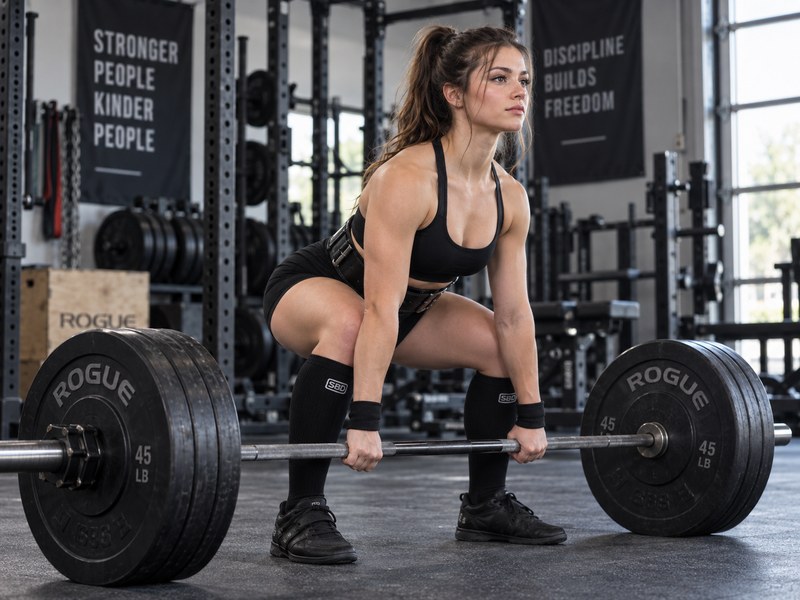
The squat is often described as one of the pivotal exercises of strength training because it involves several muscle groups and requires the entire body to work as a coordinated unit.
Lower-Body Development
Squats train the quadriceps, glutes and other supporting muscles involved in extending the knees and hips.
Core Stability
The abdominal and back muscles help stabilise the torso and maintain an efficient position under load.
Full-Body Coordination
The upper back, shoulders and arms help maintain the bar or chosen resistance in a controlled position.
“The squat is valuable because it trains the legs while demanding stability, coordination and total-body control.”
Never Force an Exercise Through Pain
Normal Training Discomfort
Muscular effort, temporary burning and fatigue can occur during challenging sets when the movement remains controlled.
Warning Pain
Sharp, sudden, joint-related or worsening pain is a reason to stop, reassess the exercise and seek qualified guidance when necessary.
Some people cannot squat comfortably because of an existing injury, mobility restriction or individual anatomy. In that situation, another lower-body exercise may be more appropriate.
Missing one valuable exercise is better than increasing the risk of a more serious problem. A suitable alternative can still help you train the thighs effectively.
Full Squat or Half Squat?
Squat depth should not be selected according to ego. It should be based on your mobility, body structure, comfort and ability to control the movement without losing position.
| Squat Depth | Potential Advantage | Main Requirement |
|---|---|---|
| Deeper squat | Trains the lower body through a greater comfortable range of motion. | Adequate mobility, stability and control throughout the movement. |
| Partial squat | May suit a specific goal or a lifter who cannot yet control a deeper position. | A deliberate depth rather than stopping early only to lift more weight. |
“Perform the deepest squat you can control comfortably—not the deepest squat you can survive.”
Build Your Squat Technique Before Increasing Weight
Set Your Stance
Choose a foot width and angle that allow comfortable knee and hip movement.
Brace the Torso
Create abdominal tension before beginning the descent.
Control the Descent
Lower yourself without collapsing, bouncing or losing balance.
Use Your Range
Descend only as far as you can maintain a stable and comfortable position.
Progress Gradually
Increase the load only when your technique remains consistent.
Your morphology or stiffness may change how your squat looks. The goal is not to copy another athlete’s exact position—it is to find a technically sound movement that suits your structure.
The Best Supporting Exercises for Thigh Development
Squats may form the foundation of your leg programme, but supporting exercises can increase training volume, target individual legs and place emphasis on different regions of the thighs.
Split Squats
Train one leg at a time and can help address differences in stability, strength and coordination.
Horizontal Leg Press
Provides a supported pressing movement that can be loaded progressively while training the thighs and glutes.
Inclined Leg Press
Allows substantial lower-body loading while the machine supports the torso.
Hack or Machine Squat
Provides a guided squat pattern that may allow greater focus on lower-body effort.
Leg Extensions
Isolate knee extension and can be used to add targeted quadriceps work after compound exercises.
Comparing Thigh Exercises
| Exercise | Main Benefit | Key Consideration |
|---|---|---|
| Squat | Complete lower-body compound movement | Requires mobility, stability and technical control |
| Split squat | Unilateral strength and balance | Begin with a stable stance and manageable load |
| Leg press | Supported high-volume lower-body work | Avoid allowing the hips or lower back to lose position |
| Leg extension | Direct quadriceps isolation | Use controlled repetitions and a comfortable machine setup |
How Many Repetitions Should You Perform?
The thighs can respond well to a combination of lower, moderate and higher-repetition training. There is no single repetition target that must be used for every exercise.
| Training Goal | Possible Repetition Approach | Primary Focus |
|---|---|---|
| Strength | Lower to moderate repetitions | Heavier controlled loading and longer recovery |
| Muscle growth | Moderate and higher-repetition sets | Progressive volume and proximity to muscular fatigue |
| Muscular endurance | Higher repetitions | Sustaining repeated muscular effort |
Sets of 15 to 20 repetitions can be useful for certain machine and isolation exercises. Some experienced athletes may use even higher repetitions, but the set should still remain controlled and productive.
A temporary muscle pump or burning sensation can accompany effective training, but it should not be the only way you judge progress. Track your repetitions, resistance, technique and recovery over time.
Should You Split Leg Training Into Two Sessions?
The quadriceps and hamstrings are separate muscle groups with different primary actions. Dividing leg training into two sessions can help experienced athletes give each area greater attention.
Quadriceps-Focused Session
Hamstring-Focused Session
Beginners may progress well with one complete leg session or two balanced lower-body sessions. Dividing the muscles into separate days is an option when additional volume and focus are needed.

Can Cardio Help Develop the Thighs?
Cycling
Resistance-based cycling can challenge the quadriceps and support lower-body muscular endurance.
Stair or Incline Work
Incline walking and stair-based training can increase lower-body effort compared with level walking.
Interval Training
Short, demanding intervals may improve conditioning, but they also add fatigue that must be managed around leg sessions.
Cardio can contribute to conditioning and energy expenditure, which may make muscular definition more visible as part of an appropriate nutrition plan. It should not replace progressive resistance training when thigh size is the main goal.
Nutrition and Recovery for Leg Growth
The legs contain some of the largest muscles in the body. Demanding lower-body sessions can therefore require substantial energy and recovery support.
Protein
Adequate daily protein supports muscle maintenance and recovery as part of a balanced diet.
Carbohydrates
Carbohydrate-containing meals can help support the energy demands of high-volume leg training.
Hydration
Begin training properly hydrated and replace fluids according to the environment and your individual sweat rate.
Rest and Sleep
Allow enough recovery before repeating an intense lower-body workout.
Micronutrients
A varied diet helps provide the vitamins and minerals required for normal body functions and an active lifestyle.
Recovery Support After Intense Leg Training
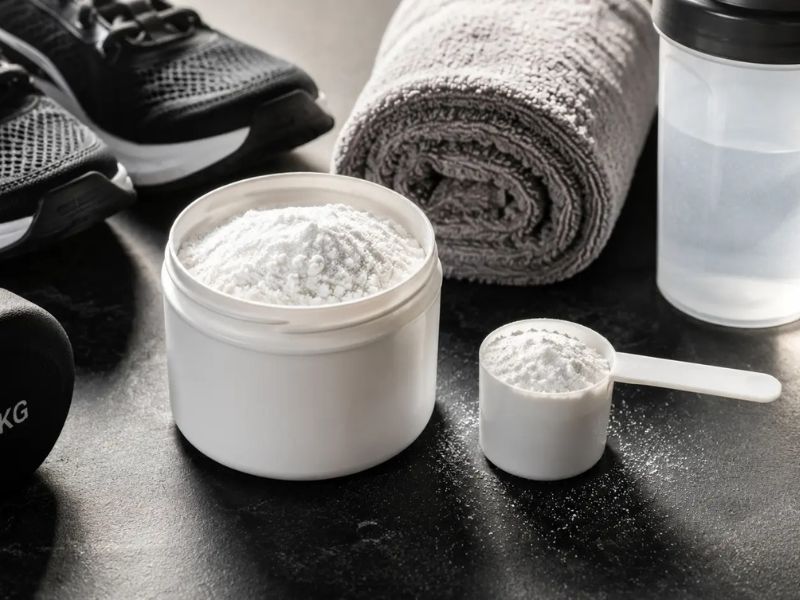
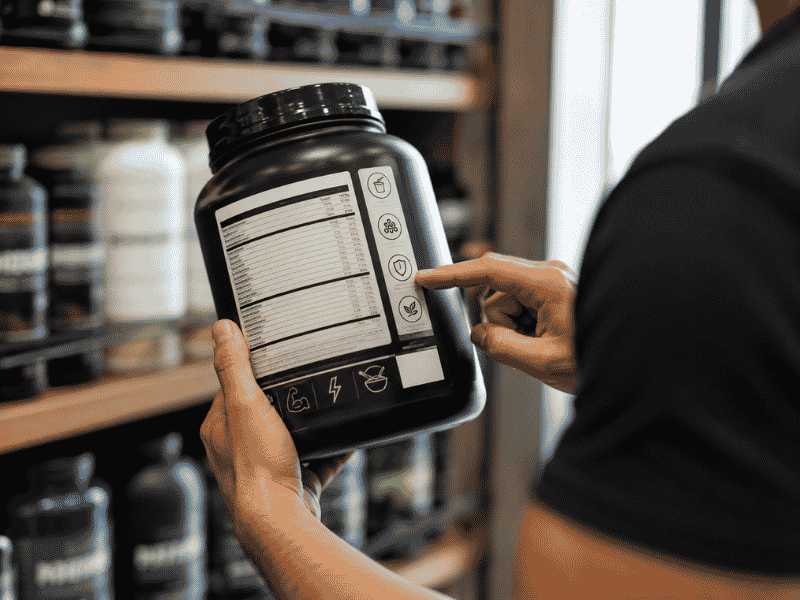
Supplements can provide a convenient addition to a suitable eating plan, especially when a complete meal is not immediately available after training.
QNT Recovery may be included in a post-workout routine according to its label instructions and your overall nutritional requirements.
No supplement can replace sufficient calories, protein, carbohydrates, hydration, sleep and properly managed training volume.
Sample Thigh-Building Workout
Main Workout
Execution Priorities
This is a general example rather than a personalised programme. Exercise selection, volume and frequency should match your experience, health, recovery and training schedule.
Common Thigh-Training Mistakes
Lifting Too Heavy
Excessive weight can shorten the range of motion and make it harder to maintain stable technique.
Ignoring Pain
Continuing through sharp or joint-related pain can turn a manageable issue into a more serious problem.
Neglecting Hamstrings
Training only the front of the thighs creates an incomplete lower-body programme.
Chasing Only the Pump
Muscular congestion can feel rewarding, but long-term progress requires increasing performance and workload.
Insufficient Recovery
Adding more leg sessions is not useful when performance is falling and recovery is incomplete.
Thigh Development Checklist
Conclusion
The legs are a complex area, and meaningful development requires consistent work. For pain-free lifters, a well-executed squat can form the foundation of an effective thigh workout.
Supporting exercises such as split squats, leg presses and leg extensions can add volume and variety, while dedicated hamstring work helps create a more complete lower-body programme.
Train through a controlled range of motion, increase resistance gradually and support your sessions with suitable nutrition and recovery. Now, go perform some technically sound squats.
FAQs
Q1. Are squats necessary for building bigger thighs?
Squats are highly valuable, but they are not the only way to build the thighs. Pain-free alternatives such as leg presses and split squats can also be effective.
Q2. Should I perform full or half squats?
Use the deepest range you can control comfortably while maintaining a stable position. Depth should match your mobility, structure and goal.
Q3. Are 20 repetitions good for thigh growth?
Higher-repetition sets can be useful, especially on machines and isolation exercises. They should be combined with suitable resistance and controlled technique.
Q4. Can I train quadriceps and hamstrings on different days?
Yes. Experienced lifters may divide them into separate sessions to increase focus and volume, provided recovery remains adequate.
Q5. Does cardio make the thighs more defined?
Cardio can support conditioning and energy expenditure. Greater definition also depends on total body composition and an appropriate nutrition plan.
Sources & Important Guidance
- This article provides general guidance about squats, thigh development, repetition ranges and lower-body training.
- Squat stance, depth and technique can differ according to anatomy, mobility, experience and training goals.
- A muscle pump is not the only measure of an effective workout; long-term progress should also be tracked through performance.
- Stop an exercise that causes sharp, joint-related or worsening pain and seek qualified medical or rehabilitation guidance when appropriate.